

Vitamin D supplementation for tuberculosis prevention: A meta-analysis
Abstract
Vitamin D plays an important role in immune regulation, prompting interest in its potential for preventing tuberculosis. However, clinical findings regarding its protective effects against tuberculosis infection and disease remain inconsistent. We conducted a systematic review and meta-analysis of randomized controlled trials (RCTs) to assess the impact of vitamin D supplementation on the prevention of tuberculosis infection and the progression to active tuberculosis. We searched PubMed, Embase, Cochrane Library, and Web of Science databases through January 2025. Eligible studies involved participants without active tuberculosis at baseline and reported outcomes related to tuberculosis. Pooled odds ratios (ORs) and 95% confidence intervals (CIs) were calculated using a random-effects model. Subgroup and sensitivity analyses were conducted, and the certainty of evidence was evaluated using the GRADE approach. Six RCTs, involving 15,677 participants, met our inclusion criteria. Compared to placebo, vitamin D supplementation did not significantly reduce the risk of tuberculosis infection (5 RCTs; OR: 0.95; 95% CI: 0.79–1.14; p = 0.55) or the development of active tuberculosis (4 RCTs; OR: 0.77; 95% CI: 0.56–1.05; p = 0.10). The certainty of evidence was moderate for both outcomes. Subgroup analyses based on baseline vitamin D levels and duration of follow-up yielded consistent results. The incidence of serious adverse events was comparable between the vitamin D and placebo groups (OR: 1.02; 95% CI: 0.76–1.38; p = 0.87), and none of the serious events were attributed to vitamin D supplementation. In conclusion, vitamin D supplementation does not significantly reduce the risk of tuberculosis infection or progression to active tuberculosis, although it is safe and well tolerated.
Keywords
Tuberculosis Prevention Vitamin D Supplementation Meta-analysisFull text
Introduction
Tuberculosis remains one of the leading infectious causes of morbidity and mortality worldwide [1, 2]. According to the World Health Organization, an estimated 10.6 million people developed tuberculosis in 2021, and 1.6 million died from the disease, making it the second leading infectious killer after COVID-19 [3]. The global burden of tuberculosis is disproportionately concentrated in low- and middle-income countries, with South-East Asia and Africa experiencing the highest prevalence [4]. Beyond its immediate health impact, tuberculosis has long-term consequences, including chronic lung damage, socioeconomic hardship, and increased vulnerability to reinfection and other comorbidities [5, 6]. Children, individuals with compromised immune systems (such as those living with HIV), the elderly, and people living in crowded or under-resourced environments are especially vulnerable to infection and progression to active disease [7, 8]. Given the persistent global burden, the heightened risk among certain populations, and the limited effectiveness of current control measures in many settings, there is an urgent need to identify additional preventive strategies. Vitamin D, a fat-soluble secosteroid hormone, is essential for calcium and phosphate metabolism and bone health, but it also plays an increasingly recognized role in modulating the immune response [9, 10]. It is synthesized in the skin upon exposure to ultraviolet B radiation or obtained through diet and supplements [11]. Once activated to its hormonal form, 1,25-dihydroxyvitamin D, it binds to the vitamin D receptor (VDR), which is expressed in various cell types, including immune cells such as monocytes, macrophages, and dendritic cells [12]. In the context of tuberculosis, vitamin D enhances the antimicrobial activity of macrophages, promotes the production of cathelicidin and other antimicrobial peptides, and supports autophagy and phagolysosome fusion—mechanisms critical for host defense against Mycobacterium tuberculosis [13, 14]. It also regulates the adaptive immune system by modulating T-cell differentiation and cytokine responses, helping to maintain immune balance [15]. Observational studies have consistently shown an association between low serum levels of 25-hydroxyvitamin D and increased susceptibility to tuberculosis infection and progression. Individuals with active or latent tuberculosis tend to have lower circulating vitamin D levels compared to healthy controls [16–19]. Moreover, people with vitamin D deficiency may be more likely to progress from latent infection to active disease, especially in the presence of other risk factors such as HIV infection or malnutrition [18, 20, 21]. These findings have fueled growing interest in whether vitamin D supplementation could serve as a cost-effective and safe strategy to reduce tuberculosis risk [22, 23]. Despite its biological plausibility and supportive observational data, randomized controlled trials (RCTs) examining the efficacy of vitamin D supplementation in preventing tuberculosis infection or disease have yielded inconsistent results [24–29]. Differences in study populations, baseline vitamin D status, supplementation regimens, and the outcomes measured have likely contributed to the variability [24–29]. As a result, there is currently no consensus on whether routine vitamin D supplementation should be recommended as part of tuberculosis prevention strategies, particularly for high-risk populations such as children, individuals with HIV, or those living in endemic areas [30]. Given these uncertainties, we conducted a meta-analysis to systematically evaluate the impact of vitamin D supplementation on the risk of tuberculosis infection and the development of active disease.
Materials and methods
During the design and implementation of this study, we followed the guidelines outlined by Preferred Reporting Items for Systematic Reviews and Meta-Analyses (PRISMA) [31, 32] and the Cochrane Handbook [33]. The meta-analysis protocol was registered with PROSPERO under the identifier CRD420251004949.
Study inclusion and exclusion criteria
This meta-analysis included studies that met the inclusion criteria specified in the PICOS principle.
P (Patients): Children or adults without active tuberculosis at baseline.
I (Intervention): Vitamin D supplementation administered in various dosages and durations.
C (Control): Standard treatment, no treatment, or controls with similar appearance and administration route to the intervention.
O (Outcome): Incident tuberculosis infection or development of active tuberculosis, and the methods for the diagnosis of tuberculosis infection or active tuberculosis were consistent with the criteria used in the original studies.
S (Study design): RCTs.
Excluded from the analysis were reviews, editorials, preclinical studies, studies not designed as RCTs, studies involving patients with active tuberculosis, those not including vitamin D supplementation as an intervention, and those not reporting the outcomes of interest. If multiple studies with overlapping patient populations were identified, the study with the largest sample size was included in the meta-analysis.
Database search
The Medline (PubMed), Embase (Ovid), CENTRAL (Cochrane Library), and Web of Science databases were searched using the following combination of terms: (1) “vitamin D” OR “vitamin D2” OR “vitamin D3” OR “cholecalciferol” OR “ergocalciferol” OR “alphacalcidol” OR “alfacalcidol” OR “calcitriol” OR “paricalcitol” OR “doxerocalciferol”; and (2) “tuberculosis” OR “Mycobacterium tuberculosis” OR “tuberculous.” The search was limited to clinical studies in humans. Only studies involving human subjects and published in English were included. The complete search strategy for each database is provided in Supplemental File 1. Additionally, references from related reviews and original articles were screened during the final database search. The final search was conducted on January 29, 2025.
Data collection and quality evaluation
Two authors independently conducted database searches, data collection, and quality assessments. In cases of disagreement, discussions were held with the corresponding author to reach consensus. The collected data covered various aspects, including general study information (e.g., first author, publication year, and study country), study design (double-blind or single-blind), participant characteristics (general health status, number of participants, mean age, sex, and baseline serum levels of 25-hydroxyvitamin D [25(OH)D]), details of the vitamin D supplementation intervention (administration method—oral or transdermal—dosage, and treatment frequency), control group details, follow-up duration, and definitions and outcomes related to tuberculosis infection. The quality of the included RCTs was assessed using the Cochrane Risk of Bias Tool [33], which evaluates factors such as random sequence generation, allocation concealment, blinding of participants and outcome assessors, handling of incomplete outcome data, selective reporting, and other potential sources of bias. Additionally, two reviewers assessed the certainty of the evidence using the GRADE (Grading of Recommendations, Assessment, Development and Evaluation) system, which considers risk of bias, inconsistency, indirectness, imprecision, and publication bias [34]. The certainty of evidence was categorized as very low, low, moderate, or high. Any disagreements were resolved through discussion with the corresponding author.
Statistical analysis
The influence of vitamin D supplementation on the risk of tuberculosis infection and the development of active tuberculosis, compared to controls, was summarized using odds ratios (ORs) and corresponding 95% confidence intervals (CIs) [33]. We also compared the incidence of serious adverse events (SAEs) between the two groups, as defined by the criteria used in the original studies. These typically included fatal or non-fatal events leading to discontinuation of the study medication, as well as other monitored safety concerns such as hypercalcemia, hypervitaminosis D, and renal stones. Heterogeneity was assessed using the Cochrane Q test [33], and the I2 statistic was calculated, with values of < 25%, 25%–75%, and > 75% indicating low, moderate, and high heterogeneity, respectively [35]. A random-effects model was used to pool results, as it accounts for potential heterogeneity across studies [33]. Sensitivity analysis was conducted by excluding one dataset at a time to evaluate the robustness of the findings [33]. Predefined subgroup analyses were also performed to examine the influence of study characteristics on the outcomes, such as baseline serum 25(OH)D levels and follow-up durations. Medians of continuous variables were used as cutoff values to define subgroups. Publication bias was assessed through visual inspection of funnel plots and Egger’s regression asymmetry test [36]. A P < 0.05 was considered statistically significant. Statistical analyses were conducted using RevMan (version 5.1; Cochrane, Oxford, UK) and Stata (version 17.0; StataCorp, College Station, TX, USA).
| Study | Country | Design | Participant characteristics | No. of participants | Mean age (years) | Male (%) | Baseline serum 25(OH)D | Intervention | Control | Follow-up duration (months) | Diagnosis of TB |
|---|---|---|---|---|---|---|---|---|---|---|---|
| Ganmaa et al., 2012 | Mongolia | R, DB, PC | Schoolchildren aged 12–15 years in Ulaanbaatar, TST-negative at baseline | 117 | 13.1 | 49.2 | Mean: 7 ng/mL (all < 20 ng/mL; 82% < 10 ng/mL) | 800 IU/day vitamin D3 for 6 months | Placebo capsule, same appearance | 6 | TB infection as indicated by TST conversion (≥10 mm) and confirmed with T-SPOT. TB if converted |
| Yani et al., 2018 | Indonesia | R, DB, PC | Healthy children (under 5 years) with recent TB contact and TST-negative at baseline | 66 | NR (<5) | NR | <30 ng/mL | Two high single doses of vitamin D3, 6 weeks apart | Placebo | 3 | TB infection as indicated by TST conversion (induration >10 mm at 12 weeks) |
| Sudfeld et al., 2020 | Tanzania | R, DB, PC | Adults (≥18 years) with HIV initiating ART and serum 25(OH)D < 30 ng/mL | 3639 | 38.7 | 32 | <30 ng/mL in all participants (48% insufficient, 46% moderately deficient, 6–8% severely deficient) | 50,000 IU Vit D3 weekly for 4 weeks, then 2,000 IU daily for 12 months | Identical placebo | 12 | Active TB as indicated by clinical symptoms + sputum AFB smear and/or chest X-ray; GeneXpert used later in the study |
| Ganmaa et al., 2020 | Mongolia | R, DB, PC | Schoolchildren aged 6–13 years, QFT-negative at baseline, 95.6% had vitamin D <20 ng/mL | 8819 | 9.4 | 50.7 | Mean: 11.9 ng/mL; 95.6% <20 ng/mL; 31.8% <10 ng/mL | Weekly oral 14,000 IU vitamin D3 for 36 months | Placebo | 36 | TB infection as indicated by QFT-Gold conversion; clinical diagnosis for active TB |
| Dude et al., 2022 | India | R, DB, PC | Schoolchildren (aged 6–11 years), with negative QFT-Plus at baseline, no histories of TB | 1354 | 8.9 | 47.6 | Mean: 28.5 ng/mL | Weekly vitamin D3 350 µg (14,000 IU) for 36 months | Placebo | 36 | TB infection as indicated by QFT-Plus test; clinical diagnosis for active TB |
| Middelkoop et al., 2023 | South Africa | R, DB, PC | Healthy children aged 6–11 years with negative QFT-Plus at baseline, no chronic illness | 1682 | 8.9 | 47.6 | Mean 71.2 nmol/L (28.5 ng/mL); 63.2% <75 nmol/L | Weekly 10,000 IU vitamin D3 for 3 years | Placebo, identical soft-gel capsule | 36 | TB infection as indicated by QFT-Plus assay conversion; active TB assessed by clinical evaluation |
Abbreviations: 25(OH)D: 25-hydroxyvitamin D; AFB: Acid-fast bacilli; ART: Antiretroviral therapy; DB: Double-blind; IU: International units; NR: Not reported; PC: Placebo-controlled; QFT: QuantiFERON-TB Gold; QFT-Plus: QuantiFERON-TB Gold Plus; R: randomized; TB: Tuberculosis; TST: Tuberculin skin test.
Results
Literature search
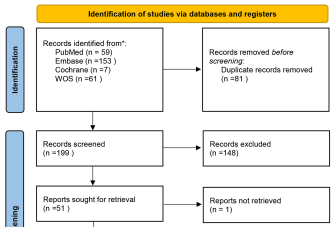
Figure 1 presents a flowchart outlining the process of database searching and study selection for inclusion. Initially, 1117 articles were identified through the database search. After removing 396 duplicate records, 721 articles remained. Of these, 700 were excluded following a review of titles and abstracts, primarily due to a lack of relevance to the objective of the present meta-analysis. A full-text assessment of the remaining 21 articles led to the exclusion of 15 studies for reasons detailed in Figure 1. Ultimately, six RCTs [24–29] were deemed suitable for quantitative analysis.
Study characteristics and data quality
An overview of the included studies is provided in Table 1. These six randomized, double-blind, placebo-controlled trials were conducted in Mongolia [24, 26], Indonesia [25], Tanzania [27], India [28], and South Africa [29], and were published between 2012 and 2023. The studies enrolled both children (ages ranging from under 5 to 15 years) and adults (≥18 years) without active tuberculosis at baseline. A total of 15,677 participants were included, with mean ages ranging from under 5–38.7 years, and the proportion of male participants ranging from 32.0% to 50.7%. Notably, although the title of the Dude et al. (2022) [28] study refers to “TB recurrence,” the trial exclusively enrolled TB-naïve children with no history of infection, aligning with the preventive focus of the present meta-analysis. In [25], while the exact mean age was not reported, all participants were confirmed to be under five years old. Given their young age and the potential influence of BCG vaccination, TST-based diagnoses in this subgroup may have reduced specificity. Four studies included participants with baseline serum 25(OH)D levels < 30 ng/mL [24–27], while two studies enrolled participants with serum levels either < 30 ng/mL or ≥ 30 ng/mL [28, 29]. Vitamin D3 supplementation was administered orally in varying doses and regimens—including daily, weekly, or high single doses—over durations ranging from 3–36 months. Placebo controls were matched to the interventions in appearance and administration. Tuberculosis infection was diagnosed using the tuberculin skin test (TST) in two studies [24, 25] and QuantiFERON-TB Gold (QFT) or QFT-Plus in three studies [26, 28, 29]. Active tuberculosis was diagnosed in four studies [26–29] using clinical symptoms, radiological findings, or microbiological tests. Study quality assessments are presented in Table 2. All included studies were judged to have a low risk of bias across all domains, with the exception of two studies [25, 28], which had unclear risk in the domains of random sequence generation and allocation concealment due to insufficient reporting.
| Study | Random sequence generation | Allocation concealment | Blinding of participants | Blinding of outcome assessment | Incomplete outcome data addressed | Selective reporting | Other sources of bias |
|---|---|---|---|---|---|---|---|
| Ganmaa et al., 2012 | Low risk | Low risk | Low risk | Low risk | Low risk | Low risk | Low risk |
| Yani et al., 2018 | Unclear | Unclear | Low risk | Low risk | Low risk | Low risk | Low risk |
| Sudfeld et al., 2020 | Low risk | Low risk | Low risk | Low risk | Low risk | Low risk | Low risk |
| Ganmaa et al., 2020 | Low risk | Low risk | Low risk | Low risk | Low risk | Low risk | Low risk |
| Dude et al., 2022 | Unclear | Unclear | Low risk | Low risk | Low risk | Low risk | Low risk |
| Middelkoop et al., 2023 | Low risk | Low risk | Low risk | Low risk | Low risk | Low risk | Low risk |
Influence of vitamin D supplementation on tuberculosis infection
Five studies assessed the impact of vitamin D supplementation on the risk of tuberculosis infection [24–26, 28, 29], with mild heterogeneity observed (P for Cochrane Q test ═ 0.34; I2 ═ 12%). Pooled results indicated that, overall, vitamin D supplementation did not significantly reduce the risk of tuberculosis infection compared to placebo (OR: 0.95, 95% CI: 0.79–1.14, P ═ 0.55; Figure 2A). The certainty of the evidence, summarized using the GRADE system, is presented in Table 3. We downgraded the evidence by one level due to potential publication bias stemming from the limited number of included studies, and judged the evidence to be of moderate certainty. Sensitivity analysis, conducted by excluding one dataset at a time, showed consistent results (OR: 0.84–0.98; all P values > 0.05). Subsequent subgroup analyses also yielded similar outcomes. Studies enrolling only participants with baseline 25(OH)D levels < 30 ng/mL were comparable to those including participants with levels < or ≥30 ng/mL (OR: 0.91 vs 0.87; P for subgroup difference ═ 0.89; Figure 2B). Additionally, similar findings were observed between studies with a follow-up of up to 12 months, where tuberculosis infection was defined by TST conversion, and those with a 36-month follow-up, where infection was defined by QFT conversion (OR: 0.60 vs 0.97; P for subgroup difference ═ 0.37; Figure 2C).
| Outcome | Quality assessment | Absolute effect OR (95% CI) | Quality | ||||||
|---|---|---|---|---|---|---|---|---|---|
| No. of studies | Design | Risk of bias | Inconsistency | Indirectness | Imprecision | Other considerations | |||
| OR for TB infection | 5 | RCTs | No serious risk of bias | No serious inconsistency | No serious indirectness | No serious imprecision | Possible publication bias due to limited number of studies included | 0.95 (0.79 to 1.14) | ⊕⊕⊕O MODERATE |
| OR for active TB | 4 | RCTs | No serious risk of bias | No serious inconsistency | No serious indirectness | No serious imprecision | Possible publication bias due to limited number of studies included | 0.77 (0.56 to 1.05) | ⊕⊕⊕O MODERATE |
| OR for severe AEs | 3 | RCTs | No serious risk of bias | No serious inconsistency | No serious indirectness | No serious imprecision | Possible publication bias due to limited number of studies included | 1.02 (0.76 to 1.38) | ⊕⊕⊕O MODERATE |
Abbreviations: AE: Adverse event; CI: Confidence interval; OR: Odds ratio; RCT: Randomized controlled trial; TB: Tuberculosis.
Influence of vitamin D supplementation on the development active tuberculosis
The results of a meta-analysis involving four studies [26–29] suggested that vitamin D supplementation did not significantly reduce the incidence of active tuberculosis compared to placebo (OR: 0.77; 95% CI: 0.56–1.05; P ═ 0.10; Figure 3A), with no significant heterogeneity observed (Cochrane Q test P ═ 0.47; I2 ═ 0%). The certainty of the evidence, summarized in Table 3, was rated as moderate due to potential publication bias stemming from the limited number of included studies. Sensitivity analysis, conducted by omitting one dataset at a time, did not meaningfully alter the results (OR range: 0.57–0.78; all > 0.05). Similar findings were observed in subgroup analyses: studies that included only participants with baseline 25(OH)D < 30 ng/mL showed results consistent with those including participants with baseline levels both < and ≥ 30 ng/mL (OR: 0.80 vs 0.15; P for subgroup difference ═ 0.12; Figure 3B). Likewise, no significant differences were observed between studies with follow-up durations of 12 and 36 months (OR: 0.78 vs 0.57; P for subgroup difference ═ 0.57; Figure 3C).
Incidence of adverse events
Across the included studies, SAEs were rare and occurred at similar rates in both the vitamin D and placebo groups [27–29]. When reported, SAEs were primarily non-fatal hospitalizations or isolated deaths, with none attributed to vitamin D supplementation. These findings suggest that vitamin D is generally safe and well tolerated for tuberculosis prevention. Pooled results from three studies [27–29] showed comparable SAE incidence between participants receiving vitamin D supplementation and those receiving a placebo (OR: 1.02, 95% CI: 0.76–1.38, P ═ 0.87; Figure 4), with no significant heterogeneity (Cochrane Q test P ═ 0.95; I2 ═ 0%). The certainty of evidence, summarized in Table 3, was rated as moderate due to the potential for publication bias arising from the limited number of included studies.
Publication bias
The funnel plots for the meta-analyses comparing the effects of vitamin D supplementation on tuberculosis infection, progression to active tuberculosis, and SAEs vs placebo are shown in Figure 5A–5C. These plots appear symmetrical upon visual inspection, suggesting a low risk of publication bias. Egger’s regression test could not be performed due to the limited number of included studies (three to five) for these outcomes.
Discussion
This meta-analysis of six high-quality RCTs, involving over 15,000 participants from diverse geographic and demographic backgrounds, found that vitamin D supplementation did not significantly reduce the risk of TB infection or progression to active TB compared to placebo. Pooled results showed no statistically significant effect on either outcome, with consistent findings across sensitivity and subgroup analyses. Vitamin D supplementation was also found to be safe and well tolerated, with comparable rates of SAEs between intervention and control groups and no events attributable to the supplementation. These findings suggest that, despite strong biological plausibility and supportive evidence from observational studies, vitamin D supplementation alone may be insufficient to prevent TB infection or the development of active disease. Several physiological and immunological factors may explain this disconnect. Although vitamin D exerts known immunomodulatory effects—such as enhancing macrophage activation, upregulating antimicrobial peptides like cathelicidin, and supporting autophagy and phagolysosome fusion—these innate immune responses may not be robust enough to prevent infection or eliminate Mycobacterium tuberculosis following exposure [37, 38]. Moreover, TB is a complex disease shaped by numerous host, pathogen, and environmental variables [39]. In settings of high pathogen load or immunosuppressive conditions, any protective effects of vitamin D may be overwhelmed [40, 41]. It is therefore possible that vitamin D plays more of an adjunctive role in host defense—supporting immune function but not providing sufficient protection on its own, particularly in individuals without profound deficiency or in the absence of other complementary interventions [42]. Subgroup analyses based on baseline vitamin D status and follow-up duration offered further insights. Results were similar between studies enrolling participants with serum 25(OH)D levels consistently below 30 ng/mL and those with a broader range of baseline levels, suggesting that supplementation does not confer additional protection even in deficient populations. Similarly, the null effect remained consistent across studies using different diagnostic definitions of TB infection—namely, TST conversion over shorter follow-up periods and interferon-gamma release assay (IGRA), such as QuantiFERON-TB (QFT), conversion over longer durations. Notably, TST may overestimate infection rates in BCG-vaccinated populations due to cross-reactivity, while IGRAs offer greater specificity [43, 44]. Interestingly, although not statistically significant (P for subgroup difference ═ 0.37), the subgroup analysis showed a numerically lower OR in studies using TST (OR: 0.60) compared to those using QFT/IGRA (OR: 0.97). This trend may reflect differences in assay sensitivity or specificity—particularly in BCG-vaccinated individuals—and warrants further investigation in future studies employing harmonized diagnostic protocols. Overall, these subgroup findings reinforce the robustness of the null effect and suggest that the lack of benefit is not attributable to specific study designs, populations, or diagnostic methods. This meta-analysis has several notable strengths. First, we conducted a comprehensive and up-to-date literature search across multiple databases, applying strict inclusion criteria limited to double-blind, placebo-controlled RCTs—the gold standard for evaluating intervention efficacy. Second, the included studies encompassed diverse populations, from young children to adults with HIV, enhancing the generalizability of our findings. Third, the consistent results across sensitivity and subgroup analyses lend confidence to the stability of the findings. Fourth, the risk of bias was judged to be low across most domains in all included studies, further supporting the internal validity of the meta-analysis. However, several limitations should also be acknowledged. The number of available studies per outcome was relatively small, which may limit statistical power and precision. While we rated the certainty of evidence as moderate for all outcomes, this reflects a balance between the low risk of bias and consistent findings, and limitations due to the small number of studies, potential undetected publication bias, and imprecise effect estimates. The limited number of studies also precluded meaningful meta-regression or more detailed subgroup analyses. For example, although investigating varying degrees of baseline vitamin D deficiency could provide additional insights, this was not feasible due to inconsistent reporting and the absence of stratified outcome data. Most studies reported only mean or median baseline 25(OH)D levels, with few providing subgroup results based on established deficiency thresholds, such as < 30 ng/mL (insufficient) or < 20 ng/mL (deficient). This represents a gap in the literature and underscores the need for future trials to incorporate and report more detailed stratifications of vitamin D status. Substantial heterogeneity in participant characteristics (e.g., age and comorbidities), baseline vitamin D levels, dosing regimens (including dose, frequency, and duration), and definitions of tuberculosis outcomes may have masked subgroup-specific effects. Other potentially important contributors to heterogeneity—such as host genetic differences (e.g., VDR polymorphisms), local TB transmission dynamics, and variations in nutritional or immune status—could not be assessed due to the limited number of studies and lack of stratified or individual participant-level data. Although a dose–response relationship is of clinical interest, such analysis was not feasible due to the absence of dose-stratified outcome data, considerable variability in dosing regimens (daily, weekly, or bolus), inconsistent reporting of participant body weight, and too few studies per outcome to permit reliable meta-regression. As shown in Supplementary File 2, which details individual dosing regimens and associated effect estimates, no consistent pattern of benefit was observed across different vitamin D schedules. However, this clinical heterogeneity may have diluted potential protective effects in more responsive subgroups. Wide variation in baseline 25(OH)D levels and differing definitions of TB outcomes further complicate interpretation and may have contributed to the overall null effect. These findings highlight the need for future trials in well-characterized populations, with more detailed reporting to better elucidate population-specific responses to vitamin D supplementation. Another important limitation is the restricted geographic representation of the included studies, which were primarily conducted in Asia and Africa. Data from Latin America, Eastern Europe, and other high-burden regions are lacking. Variations in sunlight exposure, dietary patterns, nutritional status, TB prevalence, and healthcare infrastructure across settings may influence both baseline vitamin D status and the efficacy of supplementation. Future research should aim to include more geographically diverse populations to improve generalizability. Lastly, the possibility of publication bias cannot be excluded, given the small number of available trials and the lack of unpublished or negative studies [45]. While visual inspection of funnel plots suggested low publication bias, the reliability of this assessment is limited due to the small number of studies. Formal tests such as Egger’s regression are underpowered when fewer than 10 studies are available per outcome, increasing the risk of undetected bias. Therefore, the potential for publication bias—particularly from small, negative, or unpublished trials—remains an important limitation of this meta-analysis. From a clinical perspective, these findings do not support the routine use of vitamin D supplementation solely for the prevention of tuberculosis in the general population or in high-risk groups such as children with tuberculosis contact or people living with HIV. However, personalized approaches that consider individual risk profiles—such as profound vitamin D deficiency, immunosuppression, or high endemic exposure—may still hold value. Assessing baseline 25(OH)D levels and selectively supplementing individuals at greatest risk may offer a more effective and pragmatic strategy in clinical practice. In addition, vitamin D supplementation remains important for musculoskeletal health and correction of deficiency [46], but its role in tuberculosis prevention appears limited based on current evidence [47]. These results also reinforce the complexity of tuberculosis prevention, which likely requires a multifaceted approach including vaccination, chemoprophylaxis in high-risk groups, improved living conditions, and control of comorbid conditions such as HIV [48]. Future research should aim to address the remaining uncertainties. Large-scale trials focused on specific subpopulations—such as individuals with profound vitamin D deficiency, genetic variants affecting vitamin D metabolism or receptor function, or those with significant immunosuppression—may help identify groups who might benefit more from supplementation [49]. Trials should also explore optimized dosing strategies, including higher or more prolonged regimens, as well as the potential synergistic effects of combining vitamin D with other preventive interventions [49]. In our meta-analysis, dosing schedules varied widely across studies, including daily, weekly, and high single-dose bolus regimens. However, no clear trend toward greater efficacy was observed for any particular regimen. Given this variability and the absence of stratified efficacy results by dosing strategy in the included trials, the comparative effectiveness of different vitamin D supplementation approaches remains an open question for future research. Additionally, mechanistic studies exploring the interaction between vitamin D signaling and host-pathogen dynamics in tuberculosis are warranted to better understand the biological boundaries of its protective effects. Given the limited number of high-quality RCTs currently available, there is a clear need for larger, well-designed, multicenter trials employing standardized dosing regimens, diagnostic criteria, and follow-up durations. Such studies would enhance statistical power, minimize heterogeneity, and provide more definitive conclusions regarding the potential preventive effects of vitamin D against tuberculosis. Additionally, future trials may benefit from focusing on subpopulations with profound vitamin D deficiency or specific genetic variants related to the VDR, which may modulate the immune response to Mycobacterium tuberculosis. Such stratified approaches could improve trial efficiency and yield more clinically actionable insights. Future trials should also be adequately powered to detect a small-to-moderate protective effect (e.g., OR ≤ 0.80), with consideration of sample size calculations to ensure sufficient precision. For tuberculosis infection (annual risk ∼4.0%), a sample size of approximately 9,200 participants per group would be needed to detect an OR of 0.80 with 80% power and α ═ 0.05. For active tuberculosis (annual risk ∼0.5%), more than 70,000 participants per group would be required. These figures emphasize the need for large, multicenter trials to reliably detect modest preventive effects. Finally, to enhance comparability and support future meta-analyses, the development and adoption of a core outcome set—including standardized clinical endpoints for tuberculosis infection and progression, as well as harmonized immunological biomarkers—is strongly encouraged.
Conclusion
In conclusion, this comprehensive meta-analysis found that vitamin D supplementation does not significantly reduce the overall incidence of tuberculosis infection or progression to active disease, although it is safe and well tolerated. However, certain high-risk groups—such as individuals with severe vitamin D deficiency, immunosuppression (e.g., HIV), or specific genetic profiles—may still benefit. These findings underscore the importance of comprehensive preventive strategies for tuberculosis control and highlight the need for further targeted research in vulnerable populations.
Supplemental data
Supplemental file 1. Detailed search syntax for each database
PubMed
((“Vitamin D”[Mesh] OR “Cholecalciferol”[Mesh] OR “Ergocalciferols”[Mesh] OR “Calcitriol”[Mesh] OR “Alfacalcidol”[Supplementary Concept] OR “Paricalcitol”[Supplementary Concept] OR “Vitamin D” OR “Vitamin D2” OR “Vitamin D3” OR “Cholecalciferol” OR “Ergocalciferol” OR “Alphacalcidol” OR “Alfacalcidol” OR “Calcitriol” OR “Paricalcitol” OR “Doxercalciferol”)) AND ((“Tuberculosis”[Mesh] OR “Mycobacterium tuberculosis”[Mesh] OR “Tuberculosis, Pulmonary”[Mesh] OR “Tuberculous” OR “Tuberculosis” OR “Mycobacterium tuberculosis”))
Embase
(‘vitamin D’/exp OR ‘cholecalciferol’/exp OR ‘ergocalciferol’/exp OR ‘calcitriol’/exp OR ‘alfacalcidol’/exp OR ‘paricalcitol’/exp OR ‘vitamin D’ OR ‘vitamin D2’ OR ‘vitamin D3’ OR ‘cholecalciferol’ OR ‘ergocalciferol’ OR ‘alfacalcidol’ OR ‘alphacalcidol’ OR ‘calcitriol’ OR ‘paricalcitol’ OR ‘doxercalciferol’) AND (‘tuberculosis’/exp OR ‘mycobacterium tuberculosis’/exp OR ‘tuberculous’ OR ‘tuberculosis’ OR ‘mycobacterium tuberculosis’)
Cochrane Library
(“Vitamin D” OR “Vitamin D2” OR “Vitamin D3” OR “Cholecalciferol” OR “Ergocalciferol” OR “Alphacalcidol” OR “Alfacalcidol” OR “Calcitriol” OR “Paricalcitol” OR “Doxercalciferol”) AND (“Tuberculosis” OR “Mycobacterium tuberculosis” OR “Tuberculous”)
Web of Science
TS=(“Vitamin D” OR “Vitamin D2” OR “Vitamin D3” OR “Cholecalciferol” OR “Ergocalciferol” OR “Alphacalcidol” OR “Alfacalcidol” OR “Calcitriol” OR “Paricalcitol” OR “Doxercalciferol”) AND TS=(“Tuberculosis” OR “Mycobacterium tuberculosis” OR “Tuberculous”)
| Study | Dosing regimen | Outcome | OR (95% CI) |
|---|---|---|---|
| Ganmaa et al., 2012 | 800 IU/day for 6 months | TB infection | 0.91 (0.37–2.24) |
| Yani et al., 2018 | Two high single doses, 6 weeks apart | TB infection | 0.60 (0.18–1.99) |
| Ganmaa et al., 2020 | 14,000 IU/week for 36 months | TB infection | 0.95 (0.76–1.19) |
| Ganmaa et al., 2020 | 14,000 IU/week for 36 months | Active TB | 0.89 (0.40–1.97) |
| Sudfeld et al., 2020 | 50,000 IU/week × 4 wks → 2000 IU/day (12 mo) | Active TB | 0.80 (0.46–1.39) |
| Dude et al., 2022 | 14,000 IU/week for 36 months | TB infection | 0.87 (0.41–1.85) |
| Dude et al., 2022 | 14,000 IU/week for 36 months | Active TB | 0.65 (0.17–2.43) |
| Middelkoop et al., 2023 | 10,000 IU/week for 36 months | TB infection | 1.02 (0.70–1.49) |
| Middelkoop et al., 2023 | 10,000 IU/week for 36 months | Active TB | 0.69 (0.30–1.59) |
References
- Yang H, Ruan X, Li W, Xiong J, Zheng Y. Global, regional, and national burden of tuberculosis and attributable risk factors for 204 countries and territories, 1990-2021:a systematic analysis for the Global Burden of Diseases 2021 study. BMC Public Health 2024;24(1):3111. https://doi.org/10.1186/s12889-024-20664-w
- Furin J, Cox H, Pai M. Tuberculosis. Lancet 2019;393(10181):1642–56. https://doi.org/10.1016/S0140-6736(19)30308-3
- Agbota G, Bonnet M, Lienhardt C. Management of tuberculosis infection: current situation, recent developments and operational challenges. Pathogens 2023;12(3):362. https://doi.org/10.3390/pathogens12030362
- Bai W, Ameyaw EK. Global, regional and national trends in tuberculosis incidence and main risk factors: a study using data from 2000 to 2021. BMC Public Health 2024;24(1):12. https://doi.org/10.1186/s12889-023-17495-6
- Ravimohan S, Kornfeld H, Weissman D, Bisson GP. Tuberculosis and lung damage: from epidemiology to pathophysiology. Eur Respir Rev 2018;27(147):170077. https://doi.org/10.1183/16000617.0077-2017
- Sotgiu G, Centis R, Migliori GB. Post-tuberculosis sequelae and their socioeconomic consequences: worth investigating. Lancet Glob Health 2021;9(12):e1628–e9. https://doi.org/10.1016/S2214-109X(21)00454-X
- Maphalle LNF, Michniak-Kohn BB, Ogunrombi MO, Adeleke OA. Pediatric tuberculosis management: a global challenge or breakthrough?. Children (Basel) 2022;9(8):1120. https://doi.org/10.3390/children9081120
- Litvinjenko S, Magwood O, Wu S, Wei X. Burden of tuberculosis among vulnerable populations worldwide: an overview of systematic reviews. Lancet Infect Dis 2023;23(12):1395–407. https://doi.org/10.1016/S1473-3099(23)00372-9
- Ao T, Kikuta J, Ishii M. The effects of vitamin D on immune system and inflammatory diseases. Biomolecules 2021;11(11):1624. https://doi.org/10.3390/biom11111624
- Wimalawansa SJ. Infections and autoimmunity—the immune system and vitamin D: a systematic review. Nutrients 2023;15(17):3842. https://doi.org/10.3390/nu15173842
- Wacker M, Holick MF. Sunlight and vitamin D: a global perspective for health. Dermatoendocrinol 2013;5(1):51–108. https://doi.org/10.4161/derm.24494
- Bikle Daniel D. Vitamin D metabolism, mechanism of action, and clinical applications. Chem Biol 2014;21(3):319–29. https://doi.org/10.1016/j.chembiol.2013.12.016
- Fabri M, Stenger S, Shin DM, Yuk JM, Liu PT, Realegeno S, et al. Vitamin D is required for IFN-gamma-mediated antimicrobial activity of human macrophages. Sci Transl Med 2011;3(104):104ra2. https://doi.org/10.1126/scitranslmed.3003045
- Liu PT, Stenger S, Tang DH, Modlin RL. Cutting edge: vitamin D-mediated human antimicrobial activity against mycobacterium tuberculosis is dependent on the induction of cathelicidin. J Immunol 2007;179(4):2060–3. https://doi.org/10.4049/jimmunol.179.4.2060
- Ghaseminejad-Raeini A, Ghaderi A, Sharafi A, Nematollahi-Sani B, Moossavi M, Derakhshani A, et al. Immunomodulatory actions of vitamin D in various immune-related disorders: a comprehensive review. Front Immunol 2023;14:950465. https://doi.org/10.3389/fimmu.2023.950465
- Nnoaham KE, Clarke A. Low serum vitamin D levels and tuberculosis: a systematic review and meta-analysis. Int J Epidemiol 2008;37(1):113–9. https://doi.org/10.1093/ije/dym247
- Huang SJ, Wang XH, Liu ZD, Cao WL, Han Y, Ma AG, et al. Vitamin D deficiency and the risk of tuberculosis: a meta-analysis. Drug Des Devel Ther 2017;11:91–102. https://doi.org/10.2147/DDDT.S79870
- Cao Y, Wang X, Liu P, Su Y, Yu H, Du J. Vitamin D and the risk of latent tuberculosis infection: a systematic review and meta-analysis. BMC Pulm Med 2022;22(1):39. https://doi.org/10.1186/s12890-022-01830-5
- Zhou Y, Wu Q, Wang F, Chen S, Zhang Y, Wang W, et al. Association of variant vitamin statuses and tuberculosis development: a systematic review and meta-analysis. Ann Med 2024;56(1):2396566. https://doi.org/10.1080/07853890.2024.2396566
- Kafle S, Basnet AK, Karki K, Thapa Magar M, Shrestha S, Yadav RS. Association of vitamin D deficiency with pulmonary tuberculosis: a systematic review and meta-analysis. Cureus 2021;13(9):e17883. https://doi.org/10.7759/cureus.17883
- Sudfeld CR, Giovannucci EL, Isanaka S, Aboud S, Mugusi FM, Wang M, et al. Vitamin D status and incidence of pulmonary tuberculosis, opportunistic infections, and wasting among HIV-infected tanzanian adults initiating antiretroviral therapy. J Infect Dis 2012;207(3):378–85. https://doi.org/10.1093/infdis/jis693
- Buonsenso D, Pata D, Turriziani Colonna A, Ferrari V, Salerno G, Valentini P. Vitamin D and tuberculosis in children: a role in the prevention or treatment of the disease?. Monaldi Arch Chest Dis 2022;92(4). https://doi.org/10.4081/monaldi.2022.2112
- Cai L, Wang G, Zhang P, Hu X, Zhang H, Wang F, et al. The progress of the prevention and treatment of vitamin D to tuberculosis. Front Nutr 2022;9:873890. https://doi.org/10.3389/fnut.2022.873890
- Ganmaa D, Giovannucci E, Bloom BR, Fawzi W, Burr W, Batbaatar D, et al. Vitamin D, tuberculin skin test conversion, and latent tuberculosis in Mongolian school-age children: a randomized, double-blind, placebo-controlled feasibility trial. Am J Clin Nutr 2012;96(2):391–6. https://doi.org/10.3945/ajcn.112.034967
- Yani FF, Lipoeto NI, Supriyatno B, Darwin E. Vitamin D supplementation and tuberculin skin test conversion among healthy under-five children with tuberculosis contact. Pediatr Pulmonol 2018;53:S159.
- Ganmaa D, Uyanga B, Zhou X, Gantsetseg G, Delgerekh B, Enkhmaa D, et al. Vitamin D supplements for prevention of tuberculosis infection and disease. N Engl J Med 2020;383(4):359–68. https://doi.org/10.1056/NEJMoa1915176
- Sudfeld CR, Mugusi F, Muhihi A, Aboud S, Nagu TJ, Ulenga N, et al. Efficacy of vitamin D3 supplementation for the prevention of pulmonary tuberculosis and mortality in HIV: a randomised, double-blind, placebo-controlled trial. Lancet HIV 2020;7(7):e463–e71. https://doi.org/10.1016/S2352-3018(20)30108-9
- Dude N. Investigating the role of vitamin D supplementation in reducing TB recurrence in high-risk population. Int J Life Sci Biotechnol Pharma Res 2022;11(2):200–5.
- Middelkoop K, Stewart J, Walker N, Delport C, Jolliffe DA, Coussens AK, et al. Vitamin D supplementation to prevent tuberculosis infection in South African schoolchildren: multicenter phase 3 double-blind randomized placebo-controlled trial (ViDiKids). Int J Infect Dis 2023;134:63–70. https://doi.org/10.1016/j.ijid.2023.05.010
- Santos-Mena A, González-Muñiz OE, Jacobo-Delgado YM, Rivas-Santiago B. Shedding light on vitamin D in tuberculosis: a comprehensive review of clinical trials and discrepancies. Pulm Pharmacol Ther 2024;85:102300. https://doi.org/10.1016/j.pupt.2024.102300
- Page MJ, McKenzie JE, Bossuyt PM, Boutron I, Hoffmann TC, Mulrow CD, et al. The PRISMA 2020 statement: an updated guideline for reporting systematic reviews. BMJ 2021;372:n71. https://doi.org/10.1136/bmj.n71
- Page MJ, Moher D, Bossuyt PM, Boutron I, Hoffmann TC, Mulrow CD, et al. PRISMA 2020 explanation and elaboration: updated guidance and exemplars for reporting systematic reviews. BMJ 2021;372:n160. https://doi.org/10.1136/bmj.n160
- Higgins J, Thomas J, Chandler J, Cumpston M, Li T, Page M, et al. Cochrane handbook for systematic reviews of interventions version 6.2. The Cochrane Collaboration [Internet] 2021. Available from: https://www.training.cochrane.org/handbook.
- Guyatt G, Oxman AD, Akl EA, Kunz R, Vist G, Brozek J, et al. GRADE guidelines: 1. Introduction-GRADE evidence profiles and summary of findings tables. J Clin Epidemiol 2011;64(4):383–94. https://doi.org/10.1016/j.jclinepi.2010.04.026
- Higgins JP, Thompson SG. Quantifying heterogeneity in a meta-analysis. Stat Med 2002;21(11):1539–58. https://doi.org/10.1002/sim.1186
- Egger M, Davey Smith G, Schneider M, Minder C. Bias in meta-analysis detected by a simple, graphical test. BMJ 1997;315(7109):629–34. https://doi.org/10.1136/bmj.315.7109.629
- Chung C, Silwal P, Kim I, Modlin RL, Jo EK. Vitamin D-cathelicidin axis: at the crossroads between protective immunity and pathological inflammation during infection. Immune Netw 2020;20(2):e12. https://doi.org/10.4110/in.2020.20.e12
- Gombart AF. The vitamin D-antimicrobial peptide pathway and its role in protection against infection. Future Microbiol 2009;4(9):1151–65. https://doi.org/10.2217/fmb.09.87
- Chai Q, Zhang Y, Liu CH. Mycobacterium tuberculosis: an adaptable pathogen associated with multiple human diseases. Front Cell Infect Microbiol 2018;8:158. https://doi.org/10.3389/fcimb.2018.00158
- Patel DG, Kurian SJ, Miraj SS, Rashid M, Thomas L, Rodrigues GS, et al. Effect of vitamin D supplementation in type 2 diabetes patients with tuberculosis: a systematic review. Curr Diabetes Rev 2022;18(4):e020921196096. https://doi.org/10.2174/1573399817666210902144539
- Wang J, Feng M, Ying S, Zhou J, Li X. Efficacy and safety of vitamin D supplementation for pulmonary tuberculosis: a systematic review and meta-analysis. Iran J Public Health 2018;47(4):466–72.
- Martens PJ, Gysemans C, Verstuyf A, Mathieu AC. Vitamin D’s effect on immune function. Nutrients 2020;12(5):1248. https://doi.org/10.3390/nu12051248
- Bugiani M, Borraccino A, Migliore E, Carosso A, Piccioni P, Cavallero M, et al. Tuberculin reactivity in adult BCG-vaccinated subjects: a cross-sectional study. Int J Tuberc Lung Dis 2003;7(4):320–6.
- Kutame R, Boateng G, Adusi-Poku Y, Sorvor F, Antwi L, Agyemang-Bioh F, et al. Evaluation of diagnostic performance of three commercial interferon-gamma release assays for mycobacterium tuberculosis. Diagnostics (Basel) 2024;14(19):2130. https://doi.org/10.3390/diagnostics14192130
- Afonso J, Ramirez-Campillo R, Clemente FM, Büttner FC, Andrade R. The perils of misinterpreting and misusing ”publication bias” in meta-analyses: an education review on funnel plot-based methods. Sports Med 2024;54(2):257–69. https://doi.org/10.1007/s40279-023-01927-9
- Bouillon R, Lips P, Bilezikian JP. Vitamin D supplementation and musculoskeletal health. Lancet Diabetes Endocrinol 2019;7(2):85–6. https://doi.org/10.1016/S2213-8587(18)30348-6
- Papagni R, Pellegrino C, Di Gennaro F, Patti G, Ricciardi A, Novara R, et al. Impact of vitamin D in prophylaxis and treatment in tuberculosis patients. Int J Mol Sci 2022;23(7):3860. https://doi.org/10.3390/ijms23073860
- Vasiliu A, Martinez L, Gupta RK, Hamada Y, Ness T, Kay A, et al. Tuberculosis prevention: current strategies and future directions. Clin Microbiol Infect 2024;30(9):1123–30. https://doi.org/10.1016/j.cmi.2023.10.023
- Giustina A, Bilezikian JP, Adler RA, Banfi G, Bikle DD, Binkley NC, et al. Consensus statement on vitamin D status assessment and supplementation: whys, whens, and hows. Endocrine Rev 2024;45(5):625–54. https://doi.org/10.1210/endrev/bnae009
About this article
Correspondence
*Correspondence to Yanyu Pan: [email protected]
Article history
Received: 2025-04-11 · Rev-recd: 2025-07-02 · Accepted: 2025-05-27
Data Availability
The data that support the findings of this study are available from the corresponding author upon reasonable request.
Conflicts of interest
Conflicts of interest: The authors declare no competing interests.
Funding
Funding: This study is supported by Qihang Foundation Project (General: 2022QH1774).
Copyright
© 2025 Liu et al.
Downloads
References
Yang H, Ruan X, Li W, Xiong J, Zheng Y. Global, regional, and national burden of tuberculosis and attributable risk factors for 204 countries and territories, 1990-2021:a systematic analysis for the Global Burden of Diseases 2021 study. BMC Public Health. 2024;24(1):3111. doi:10.1186/s12889-024-20664-w DOI: https://doi.org/10.1186/s12889-024-20664-w
Furin J, Cox H, Pai M. Tuberculosis. Lancet. 2019;393(10181):1642-56. doi:10.1016/S0140-6736(19)30308-3 DOI: https://doi.org/10.1016/S0140-6736(19)30308-3
Agbota G, Bonnet M, Lienhardt C. Management of tuberculosis infection: current situation, recent developments and operational challenges. Pathogens. 2023;12(3):362. doi:10.3390/pathogens12030362 DOI: https://doi.org/10.3390/pathogens12030362
Bai W, Ameyaw EK. Global, regional and national trends in tuberculosis incidence and main risk factors: a study using data from 2000 to 2021. BMC Public Health. 2024;24(1):12. doi:10.1186/s12889-023-17495-6 DOI: https://doi.org/10.1186/s12889-023-17495-6
Ravimohan S, Kornfeld H, Weissman D, Bisson GP. Tuberculosis and lung damage: from epidemiology to pathophysiology. Eur Respir Rev. 2018;27(147):170077. doi:10.1183/16000617.0077-2017 DOI: https://doi.org/10.1183/16000617.0077-2017
Sotgiu G, Centis R, Migliori GB. Post-tuberculosis sequelae and their socioeconomic consequences: worth investigating. Lancet Glob Health. 2021;9(12):e1628-e9. doi:10.1016/S2214-109X(21)00454-X DOI: https://doi.org/10.1016/S2214-109X(21)00454-X
Maphalle LNF, Michniak-Kohn BB, Ogunrombi MO, Adeleke OA. Pediatric tuberculosis management: a global challenge or breakthrough?. Children (Basel). 2022;9(8):1120. doi:10.3390/children9081120 DOI: https://doi.org/10.3390/children9081120
Litvinjenko S, Magwood O, Wu S, Wei X. Burden of tuberculosis among vulnerable populations worldwide: an overview of systematic reviews. Lancet Infect Dis. 2023;23(12):1395-407. doi:10.1016/S1473-3099(23)00372-9 DOI: https://doi.org/10.1016/S1473-3099(23)00372-9
Ao T, Kikuta J, Ishii M. The effects of vitamin D on immune system and inflammatory diseases. Biomolecules. 2021;11(11):1624. doi:10.3390/biom11111624 DOI: https://doi.org/10.3390/biom11111624
Wimalawansa SJ. Infections and autoimmunity—the immune system and vitamin D: a systematic review. Nutrients. 2023;15(17):3842. doi:10.3390/nu15173842 DOI: https://doi.org/10.3390/nu15173842
Wacker M, Holick MF. Sunlight and vitamin D: a global perspective for health. Dermatoendocrinol. 2013;5(1):51-108. doi:10.4161/derm.24494 DOI: https://doi.org/10.4161/derm.24494
Bikle Daniel D. Vitamin D metabolism, mechanism of action, and clinical applications. Chem Biol. 2014;21(3):319-29. doi:10.1016/j.chembiol.2013.12.016 DOI: https://doi.org/10.1016/j.chembiol.2013.12.016
Fabri M, Stenger S, Shin DM, Yuk JM, Liu PT, Realegeno S, et al. Vitamin D is required for IFN-gamma-mediated antimicrobial activity of human macrophages. Sci Transl Med. 2011;3(104):104ra2. doi:10.1126/scitranslmed.3003045 DOI: https://doi.org/10.1126/scitranslmed.3003045
Liu PT, Stenger S, Tang DH, Modlin RL. Cutting edge: vitamin D-mediated human antimicrobial activity against mycobacterium tuberculosis is dependent on the induction of cathelicidin. J Immunol. 2007;179(4):2060-3. doi:10.4049/jimmunol.179.4.2060 DOI: https://doi.org/10.4049/jimmunol.179.4.2060
Ghaseminejad-Raeini A, Ghaderi A, Sharafi A, Nematollahi-Sani B, Moossavi M, Derakhshani A, et al. Immunomodulatory actions of vitamin D in various immune-related disorders: a comprehensive review. Front Immunol. 2023;14:950465. doi:10.3389/fimmu.2023.950465 DOI: https://doi.org/10.3389/fimmu.2023.950465
Nnoaham KE, Clarke A. Low serum vitamin D levels and tuberculosis: a systematic review and meta-analysis. Int J Epidemiol. 2008;37(1):113-9. doi:10.1093/ije/dym247 DOI: https://doi.org/10.1093/ije/dym247
Huang SJ, Wang XH, Liu ZD, Cao WL, Han Y, Ma AG, et al. Vitamin D deficiency and the risk of tuberculosis: a meta-analysis. Drug Des Devel Ther. 2017;11:91-102. doi:10.2147/DDDT.S79870 DOI: https://doi.org/10.2147/DDDT.S79870
Cao Y, Wang X, Liu P, Su Y, Yu H, Du J. Vitamin D and the risk of latent tuberculosis infection: a systematic review and meta-analysis. BMC Pulm Med. 2022;22(1):39. doi:10.1186/s12890-022-01830-5 DOI: https://doi.org/10.1186/s12890-022-01830-5
Zhou Y, Wu Q, Wang F, Chen S, Zhang Y, Wang W, et al. Association of variant vitamin statuses and tuberculosis development: a systematic review and meta-analysis. Ann Med. 2024;56(1):2396566. doi:10.1080/07853890.2024.2396566 DOI: https://doi.org/10.1080/07853890.2024.2396566
Kafle S, Basnet AK, Karki K, Thapa Magar M, Shrestha S, Yadav RS. Association of vitamin D deficiency with pulmonary tuberculosis: a systematic review and meta-analysis. Cureus. 2021;13(9):e17883. doi:10.7759/cureus.17883 DOI: https://doi.org/10.7759/cureus.17883
Sudfeld CR, Giovannucci EL, Isanaka S, Aboud S, Mugusi FM, Wang M, et al. Vitamin D status and incidence of pulmonary tuberculosis, opportunistic infections, and wasting among HIV-infected tanzanian adults initiating antiretroviral therapy. J Infect Dis. 2012;207(3):378-85. doi:10.1093/infdis/jis693 DOI: https://doi.org/10.1093/infdis/jis693
Buonsenso D, Pata D, Turriziani Colonna A, Ferrari V, Salerno G, Valentini P. Vitamin D and tuberculosis in children: a role in the prevention or treatment of the disease?. Monaldi Arch Chest Dis. 2022;92(4). doi:10.4081/monaldi.2022.2112 DOI: https://doi.org/10.4081/monaldi.2022.2112
Cai L, Wang G, Zhang P, Hu X, Zhang H, Wang F, et al. The progress of the prevention and treatment of vitamin D to tuberculosis. Front Nutr. 2022;9:873890. doi:10.3389/fnut.2022.873890 DOI: https://doi.org/10.3389/fnut.2022.873890
Ganmaa D, Giovannucci E, Bloom BR, Fawzi W, Burr W, Batbaatar D, et al. Vitamin D, tuberculin skin test conversion, and latent tuberculosis in Mongolian school-age children: a randomized, double-blind, placebo-controlled feasibility trial. Am J Clin Nutr. 2012;96(2):391-6. doi:10.3945/ajcn.112.034967 DOI: https://doi.org/10.3945/ajcn.112.034967
Yani FF, Lipoeto NI, Supriyatno B, Darwin E. Vitamin D supplementation and tuberculin skin test conversion among healthy under-five children with tuberculosis contact. Pediatr Pulmonol. 2018;53:S159.
Ganmaa D, Uyanga B, Zhou X, Gantsetseg G, Delgerekh B, Enkhmaa D, et al. Vitamin D supplements for prevention of tuberculosis infection and disease. N Engl J Med. 2020;383(4):359-68. doi:10.1056/NEJMoa1915176 DOI: https://doi.org/10.1056/NEJMoa1915176
Sudfeld CR, Mugusi F, Muhihi A, Aboud S, Nagu TJ, Ulenga N, et al. Efficacy of vitamin D3 supplementation for the prevention of pulmonary tuberculosis and mortality in HIV: a randomised, double-blind, placebo-controlled trial. Lancet HIV. 2020;7(7):e463-e71. doi:10.1016/S2352-3018(20)30108-9 DOI: https://doi.org/10.1016/S2352-3018(20)30108-9
Dude N. Investigating the role of vitamin D supplementation in reducing TB recurrence in high-risk population. Int J Life Sci Biotechnol Pharma Res. 2022;11(2):200-5.
Middelkoop K, Stewart J, Walker N, Delport C, Jolliffe DA, Coussens AK, et al. Vitamin D supplementation to prevent tuberculosis infection in South African schoolchildren: multicenter phase 3 double-blind randomized placebo-controlled trial (ViDiKids). Int J Infect Dis. 2023;134:63-70. doi:10.1016/j.ijid.2023.05.010 DOI: https://doi.org/10.1016/j.ijid.2023.05.010
Santos-Mena A, González-Muñiz OE, Jacobo-Delgado YM, Rivas-Santiago B. Shedding light on vitamin D in tuberculosis: a comprehensive review of clinical trials and discrepancies. Pulm Pharmacol Ther. 2024;85:102300. doi:10.1016/j.pupt.2024.102300 DOI: https://doi.org/10.1016/j.pupt.2024.102300
Page MJ, McKenzie JE, Bossuyt PM, Boutron I, Hoffmann TC, Mulrow CD, et al. The PRISMA 2020 statement: an updated guideline for reporting systematic reviews. BMJ. 2021;372:n71. doi:10.1136/bmj.n71 DOI: https://doi.org/10.1136/bmj.n71
Page MJ, Moher D, Bossuyt PM, Boutron I, Hoffmann TC, Mulrow CD, et al. PRISMA 2020 explanation and elaboration: updated guidance and exemplars for reporting systematic reviews. BMJ. 2021;372:n160. doi:10.1136/bmj.n160 DOI: https://doi.org/10.1136/bmj.n160
Higgins J, Thomas J, Chandler J, Cumpston M, Li T, Page M, et al. Cochrane handbook for systematic reviews of interventions version 6.2. The Cochrane Collaboration [Internet]. 2021.
Guyatt G, Oxman AD, Akl EA, Kunz R, Vist G, Brozek J, et al. GRADE guidelines: 1. Introduction-GRADE evidence profiles and summary of findings tables. J Clin Epidemiol. 2011;64(4):383-94. doi:10.1016/j.jclinepi.2010.04.026 DOI: https://doi.org/10.1016/j.jclinepi.2010.04.026
Higgins JP, Thompson SG. Quantifying heterogeneity in a meta-analysis. Stat Med. 2002;21(11):1539-58. doi:10.1002/sim.1186 DOI: https://doi.org/10.1002/sim.1186
Egger M, Davey Smith G, Schneider M, Minder C. Bias in meta-analysis detected by a simple, graphical test. BMJ. 1997;315(7109):629-34. doi:10.1136/bmj.315.7109.629 DOI: https://doi.org/10.1136/bmj.315.7109.629
Chung C, Silwal P, Kim I, Modlin RL, Jo EK. Vitamin D-cathelicidin axis: at the crossroads between protective immunity and pathological inflammation during infection. Immune Netw. 2020;20(2):e12. doi:10.4110/in.2020.20.e12 DOI: https://doi.org/10.4110/in.2020.20.e12
Gombart AF. The vitamin D-antimicrobial peptide pathway and its role in protection against infection. Future Microbiol. 2009;4(9):1151-65. doi:10.2217/fmb.09.87 DOI: https://doi.org/10.2217/fmb.09.87
Chai Q, Zhang Y, Liu CH. Mycobacterium tuberculosis: an adaptable pathogen associated with multiple human diseases. Front Cell Infect Microbiol. 2018;8:158. doi:10.3389/fcimb.2018.00158 DOI: https://doi.org/10.3389/fcimb.2018.00158
Patel DG, Kurian SJ, Miraj SS, Rashid M, Thomas L, Rodrigues GS, et al. Effect of vitamin D supplementation in type 2 diabetes patients with tuberculosis: a systematic review. Curr Diabetes Rev. 2022;18(4):e020921196096. doi:10.2174/1573399817666210902144539 DOI: https://doi.org/10.2174/1573399817666210902144539
Wang J, Feng M, Ying S, Zhou J, Li X. Efficacy and safety of vitamin D supplementation for pulmonary tuberculosis: a systematic review and meta-analysis. Iran J Public Health. 2018;47(4):466-72.
Martens PJ, Gysemans C, Verstuyf A, Mathieu AC. Vitamin D’s effect on immune function. Nutrients. 2020;12(5):1248. doi:10.3390/nu12051248 DOI: https://doi.org/10.3390/nu12051248
Bugiani M, Borraccino A, Migliore E, Carosso A, Piccioni P, Cavallero M, et al. Tuberculin reactivity in adult BCG-vaccinated subjects: a cross-sectional study. Int J Tuberc Lung Dis. 2003;7(4):320-6.
Kutame R, Boateng G, Adusi-Poku Y, Sorvor F, Antwi L, Agyemang-Bioh F, et al. Evaluation of diagnostic performance of three commercial interferon-gamma release assays for mycobacterium tuberculosis. Diagnostics (Basel). 2024;14(19):2130. doi:10.3390/diagnostics14192130 DOI: https://doi.org/10.3390/diagnostics14192130
Afonso J, Ramirez-Campillo R, Clemente FM, Büttner FC, Andrade R. The perils of misinterpreting and misusing ”publication bias” in meta-analyses: an education review on funnel plot-based methods. Sports Med. 2024;54(2):257-69. doi:10.1007/s40279-023-01927-9 DOI: https://doi.org/10.1007/s40279-023-01927-9
Bouillon R, Lips P, Bilezikian JP. Vitamin D supplementation and musculoskeletal health. Lancet Diabetes Endocrinol. 2019;7(2):85-6. doi:10.1016/S2213-8587(18)30348-6 DOI: https://doi.org/10.1016/S2213-8587(18)30348-6
Papagni R, Pellegrino C, Di Gennaro F, Patti G, Ricciardi A, Novara R, et al. Impact of vitamin D in prophylaxis and treatment in tuberculosis patients. Int J Mol Sci. 2022;23(7):3860. doi:10.3390/ijms23073860 DOI: https://doi.org/10.3390/ijms23073860
Vasiliu A, Martinez L, Gupta RK, Hamada Y, Ness T, Kay A, et al. Tuberculosis prevention: current strategies and future directions. Clin Microbiol Infect. 2024;30(9):1123-30. doi:10.1016/j.cmi.2023.10.023 DOI: https://doi.org/10.1016/j.cmi.2023.10.023
Giustina A, Bilezikian JP, Adler RA, Banfi G, Bikle DD, Binkley NC, et al. Consensus statement on vitamin D status assessment and supplementation: whys, whens, and hows. Endocrine Rev. 2024;45(5):625-54. doi:10.1210/endrev/bnae009 DOI: https://doi.org/10.1210/endrev/bnae009
Article files
Additional Files
Publication details
- Citation
- Vol. 26 No. 4 (2026), pp. 559–571
- Language
- EN
- License
- CC BY 4.0
- Section
- Systematic review/Meta analysis
- Categories
- Systematic Review/Meta-Analysis
How to cite (Vancouver)
Liu S, Lin T, Pan Y. Vitamin D supplementation for tuberculosis prevention: A meta-analysis. Biomol Biomed. 2025;26(4):559–571. https://doi.org/10.17305/bb.2025.12527