


Vol. 26 No. 12
- 52Articles
- 10Review
- 5Systematic review/Meta analysis
- 34Research article
- 1Short Communication
- 2Comment
 Issue highlight
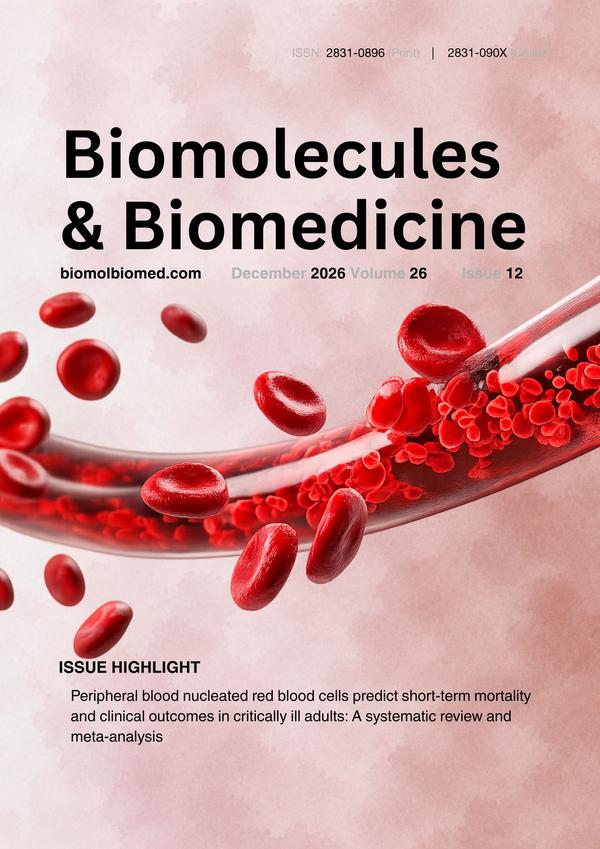
Peripheral blood nucleated red blood cells predict short-term mortality and clinical outcomes in critically ill adults: A systematic review and meta-analysis
Review
10 articles-
Hantaviruses in Southeast Europe: Climate change, rodent reservoirs, and One Health challenges
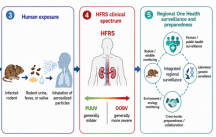
Hantaviruses are not emerging pathogens in the strict sense, but their public health relevance is being reshaped by climate change, environmental disruption, land-use change, and increasing human mobility. In Southeast Europe, where Dobrava-Belgrade virus and Puumala virus remain endemic, these infections should no longer be viewed only as sporadic rodent-borne diseases of rural or forested environments. Changing ecological conditions can alter reservoir abundance, virus circulation, and human exposure, while fragmented surveillance and variable diagnostic capacity may obscure the true burden of disease. Although human infection is still driven primarily by environmental exposure to infected rodent excreta, rare person-to-person transmission of Andes virus and recent travel-associated clusters illustrate how traditionally localized zoonoses can acquire wider international relevance. This Opinion argues that hantaviruses should be approached as a climate-sensitive One Health challenge, requiring closer integration of human, veterinary, ecological, and meteorological surveillance. Strengthening regional preparedness is essential before environmental change further expands the conditions for transmission.
-
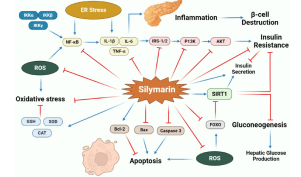
Silymarin in type 2 diabetes – Targeting adipose tissue dysfunction and pancreatic β-cell damage: A review
Type 2 diabetes mellitus (T2DM) is characterized by insulin resistance and progressive pancreatic β-cell dysfunction, processes strongly influenced by adipose tissue inflammation, oxidative stress, and dysregulated lipid metabolism. Silymarin, a flavonolignan complex derived from Silybum marianum, has attracted interest as a potential adjunctive agent because of its antioxidant, anti-inflammatory, and metabolic regulatory properties. This review summarizes experimental and clinical evidence on the effects of silymarin and its major bioactive constituent, silibinin, on adipose tissue dysfunction and pancreatic β-cell injury in T2DM. Available evidence was narratively synthesized with emphasis on adipogenesis, lipid accumulation, inflammatory signaling, insulin signaling, oxidative stress, and β-cell survival. Experimental studies indicate that silymarin may reduce adipogenesis and lipid accumulation through modulation of adipogenic transcription factors, including peroxisome proliferator-activated receptor gamma (PPARγ) and CCAAT/enhancer-binding protein alpha (C/EBPα), and activation of AMP-activated protein kinase (AMPK). Silymarin may also attenuate pro-inflammatory cytokine production, enhance antioxidant defenses, and protect pancreatic β-cells from glucotoxicity-, lipotoxicity-, and cytokine-induced apoptosis. Limited clinical data suggest potential improvements in glycemic control, insulin resistance, lipid parameters, and systemic inflammation. Overall, silymarin shows promise as an adjunctive strategy for metabolic dysfunction in T2DM; however, standardized formulations and well-designed randomized clinical trials are needed to confirm its efficacy, safety, and clinical relevance.
-
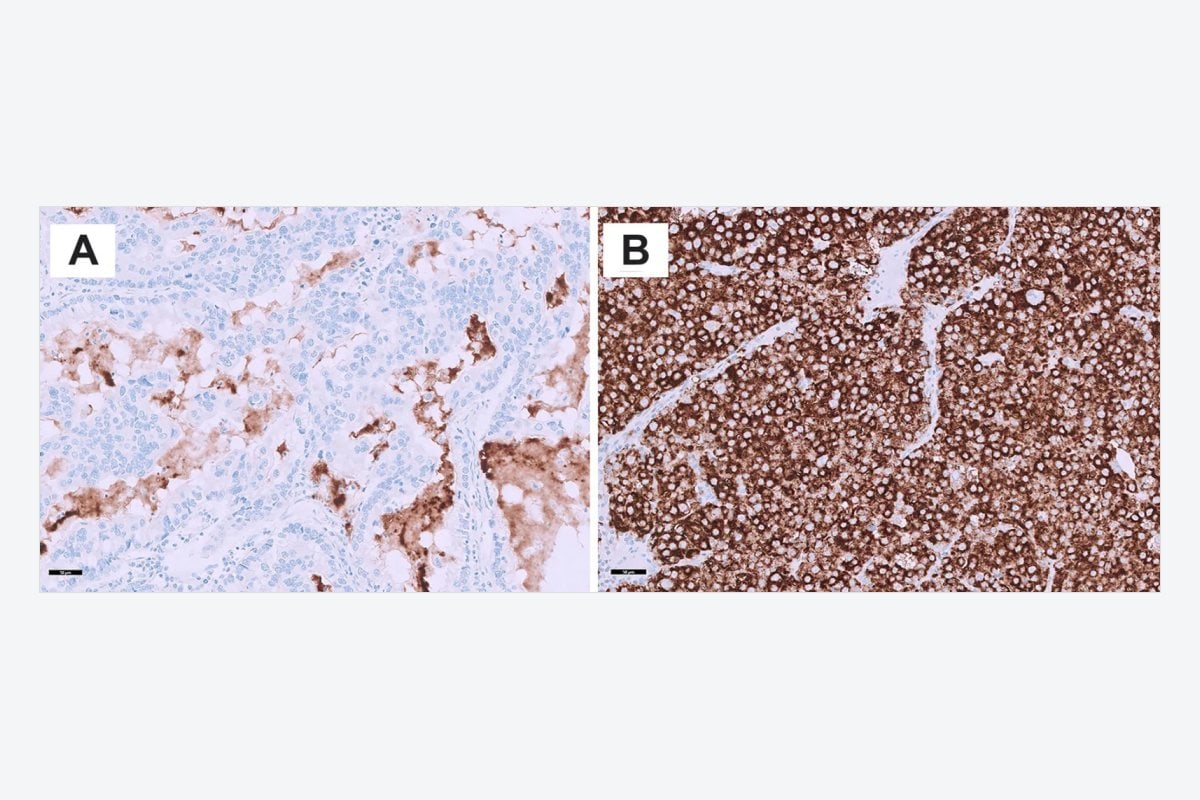
Predictive immunohistochemistry in non-small cell lung cancer – Biomarkers, companion diagnostics, and molecular testing: A narrative review
Immunohistochemistry (IHC) is central to precision oncology in advanced non-small cell lung cancer (NSCLC), although its predictive value and the need for molecular confirmation differ across biomarkers. This narrative review aimed to summarize the clinical utility, validated assays, scoring systems, diagnostic performance, and testing algorithms for predictive IHC biomarkers in NSCLC. Recent guidelines, regulatory documents, and selected analytical and clinical studies were reviewed for programmed death-ligand 1 (PD-L1), anaplastic lymphoma kinase (ALK), ROS proto-oncogene 1 receptor tyrosine kinase (ROS1), mesenchymal–epithelial transition factor receptor (c-Met), B-Raf proto-oncogene serine/threonine kinase V600E (BRAF V600E), pan-tropomyosin receptor kinase (pan-TRK), human epidermal growth factor receptor 2 (HER2), and epidermal growth factor receptor (EGFR). PD-L1 and ALK are established IHC-based predictive assays, although PD-L1 interpretation remains assay-, platform-, and cutoff-specific. VENTANA ALK D5F3 and VENTANA MET SP44 RxDx are clinically validated companion diagnostics, whereas HER2 IHC score 3+ may support eligibility for trastuzumab deruxtecan in the tumor-agnostic setting. ROS1, BRAF V600E, pan-TRK, and non-companion-diagnostic c-Met or HER2 assays are best used for screening or triage and generally require molecular confirmation. EGFR mutation-specific IHC is not recommended because of insufficient diagnostic performance. Overall, IHC enables rapid, tissue-sparing biomarker assessment but should be integrated with broad genomic and transcriptomic next-generation sequencing (NGS), particularly when alteration-specific findings are negative, equivocal, or discordant.
-
Dietary polyphenols in colorectal cancer – Mechanisms, clinical evidence, and bioavailability of curcumin, resveratrol, and epigallocatechin-3-gallate: A review
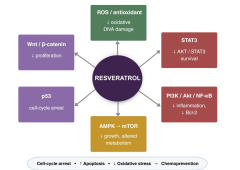
Dietary polyphenols have attracted considerable interest as potential preventive and therapeutic agents in colorectal cancer (CRC), although their clinical value remains uncertain. This narrative review aimed to critically evaluate the mechanistic, epidemiological, and clinical evidence for curcumin, resveratrol, and epigallocatechin-3-gallate (EGCG), with particular emphasis on the gap between preclinical activity and human efficacy. PubMed/MEDLINE, Scopus, and Web of Science were searched for English-language studies published from January 2000 to January 2026, including in vitro and animal investigations, epidemiological studies, and clinical trials. Preclinical evidence consistently showed that these polyphenols inhibit nuclear factor kappa B (NF-κB), phosphoinositide 3-kinase/protein kinase B/mechanistic target of rapamycin (PI3K/Akt/mTOR), signal transducer and activator of transcription 3 (STAT3), and Wnt/β-catenin signaling, while promoting apoptosis, antioxidant responses, and suppression of inflammation, proliferation, angiogenesis, and metastasis. These effects were associated with reduced tumor burden in animal models. Epidemiological studies suggested modest protective associations, particularly for green tea consumption, but findings were inconsistent, frequently confounded, and of limited generalizability. Human trials predominantly demonstrated biomarker modulation, whereas effects on adenoma recurrence were mixed and no consistent benefits were observed for tumor regression, recurrence, progression-free survival, or overall survival. Clinical translation is further limited by poor absorption, rapid metabolism, uncertain activity of metabolites, formulation variability, and potential hepatotoxicity and drug interactions, although high local colorectal exposure may remain biologically relevant. Curcumin, resveratrol, and EGCG therefore show strong mechanistic potential but cannot currently be recommended as stand-alone CRC therapies. They should be regarded as investigational preventive or adjunctive agents pending adequately powered randomized trials using standardized formulations, optimized dosing, and clinically meaningful endpoints.
-
Post-translational modifications in sepsis-induced myocardial dysfunction – Molecular mechanisms and therapeutic targets: A review
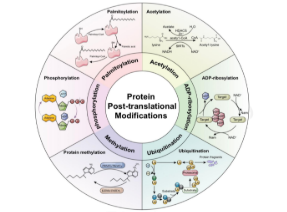
Sepsis-induced myocardial dysfunction (SIMD) is a frequent and life-threatening complication of sepsis driven by interconnected inflammatory, oxidative, metabolic, and mitochondrial disturbances. Post-translational modifications (PTMs) have emerged as key regulators of these processes by dynamically altering protein activity, stability, localization, and signaling. This narrative review aimed to summarize the roles of major PTMs in SIMD and evaluate their potential as therapeutic targets. Relevant original studies and authoritative reviews published predominantly within the past decade were identified through targeted searches of PubMed and Web of Science and qualitatively synthesized. Current evidence indicates that phosphorylation, acetylation, ubiquitination, protein methylation, ADP-ribosylation, and palmitoylation regulate major pathways involved in myocardial inflammation, oxidative stress, mitochondrial dysfunction, metabolic reprogramming, apoptosis, and impaired contractility. Crosstalk among these modifications further integrates signaling networks, while upstream epigenetic mechanisms, including DNA methylation and N6-methyladenosine RNA modification, can influence PTM-related enzymes and downstream signaling. Experimental studies also suggest that pharmacological modulation of PTM-regulated pathways may attenuate myocardial injury; however, most mechanistic and therapeutic evidence derives from animal models and cultured cells, with limited validation in human septic myocardium. PTMs therefore represent promising mechanistic and therapeutic targets in SIMD, but systematic characterization of PTM crosstalk and rigorous human translational studies are required before PTM-directed strategies can be incorporated into clinical practice.
-
Human milk oligosaccharides, brain structure, and cognitive development in infants: A narrative review
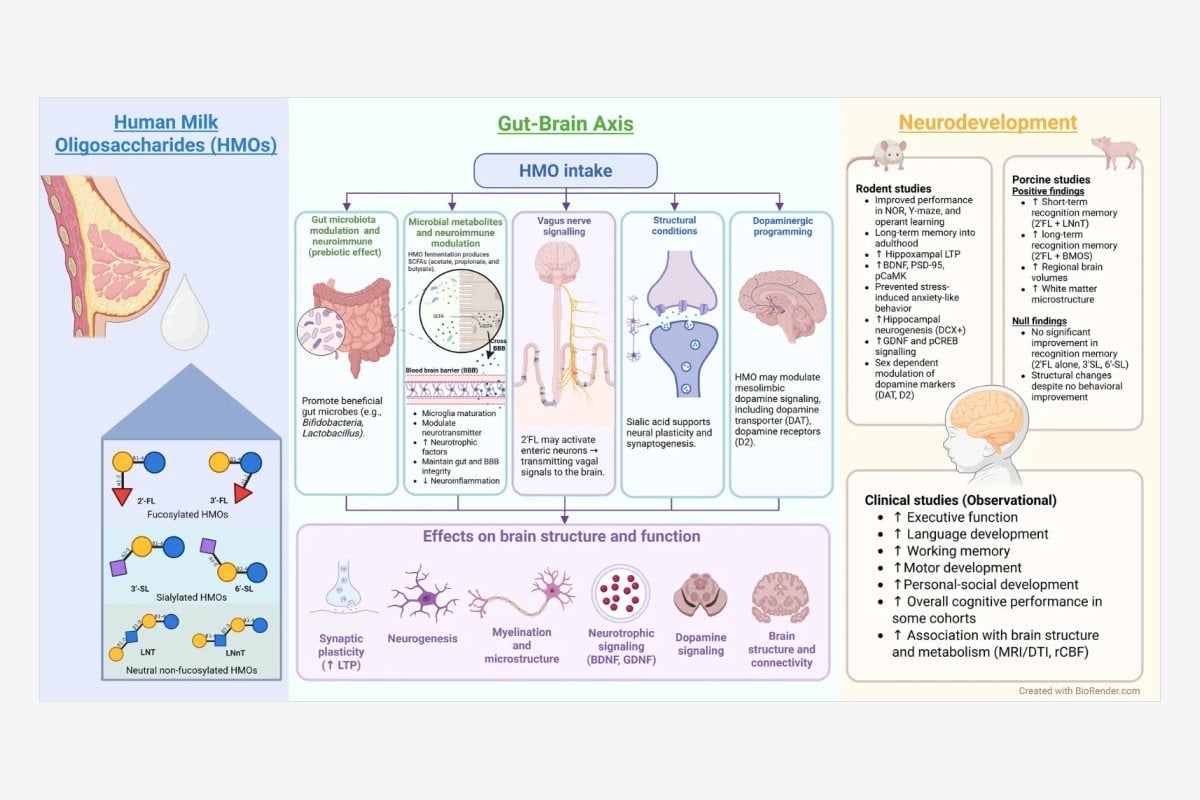
Human milk oligosaccharides (HMOs) are bioactive components of human milk that support gut microbial development and may also contribute to early brain maturation and cognitive function. This narrative review aimed to synthesize preclinical and clinical evidence on the associations between HMOs, brain structure, and neurodevelopment and to examine the biological mechanisms underlying these effects. PubMed, Scopus, and Web of Science were searched in March 2025 for animal and human studies evaluating specific HMOs in relation to cognitive, behavioral, neurobiological, or neuroimaging outcomes. Of 1,238 records identified, 18 studies met the eligibility criteria and were included in a qualitative thematic synthesis. Preclinical studies indicated that 2′-fucosyllactose (2′-FL) and sialylated HMOs, including 3′-sialyllactose (3′-SL) and 6′-sialyllactose (6′-SL), may improve learning, memory, emotional regulation, and hippocampal long-term potentiation (LTP), although findings varied across experimental models. Proposed mechanisms included vagus nerve-mediated gut–brain signaling, modulation of the gut microbiota, altered neurotransmitter and neurotrophic signaling, and support of synaptogenesis and myelination. Human observational studies associated higher concentrations of 2′-FL, 3′-SL, 6′-SL, and specific HMO combinations during early lactation, particularly around one month postpartum, with better cognitive, language, motor, and executive-function outcomes. Magnetic resonance imaging (MRI) findings further suggested HMO-specific associations with cortical maturation, white-matter connectivity, and myelination. Current evidence supports a potential role for HMOs in early neurodevelopment; however, causal effects remain unconfirmed. Larger, diverse longitudinal studies and randomized controlled trials using standardized neurodevelopmental outcomes are needed to determine optimal HMO compositions, doses, and periods of exposure.
-
GLP-1 receptor agonists and ocular safety– Pharmacokinetic insights into ischemic optic neuropathy and diabetic retinopathy risk: A review
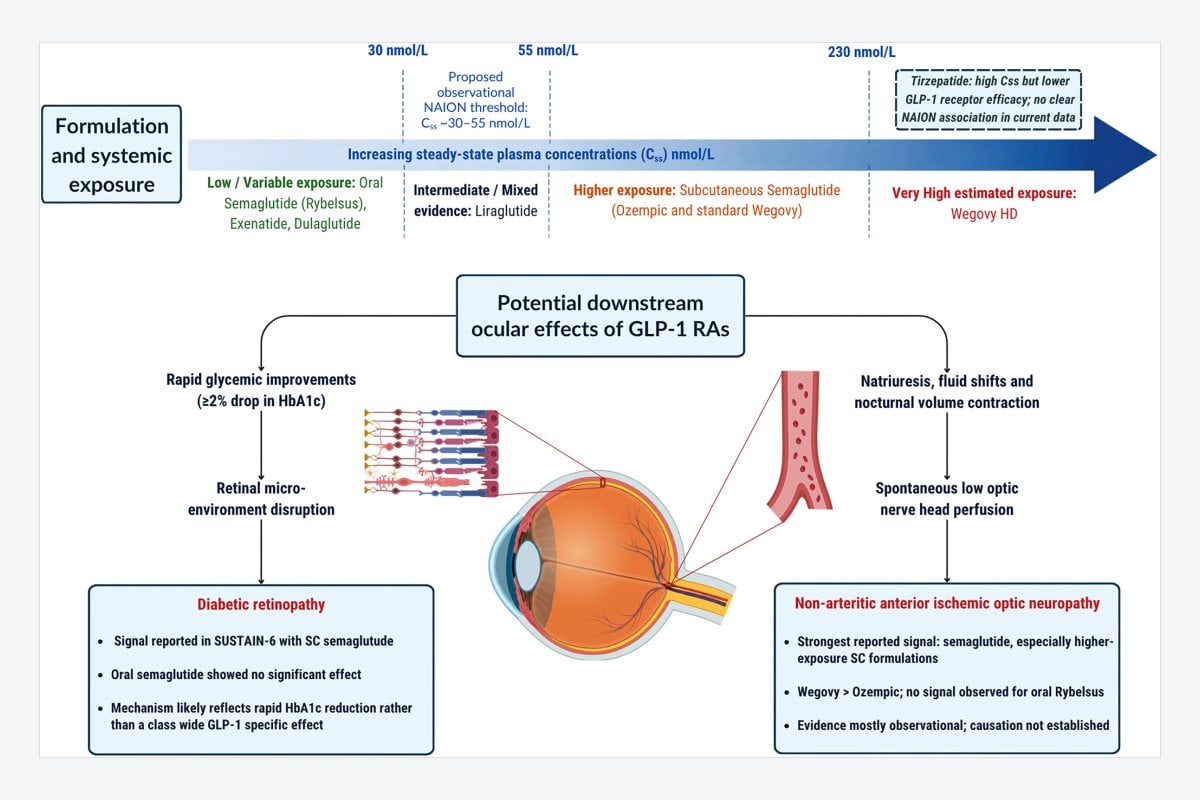
Glucagon-like peptide-1 receptor agonists (GLP-1 RAs) have transformed the management of type 2 diabetes mellitus and obesity, but their expanding use has raised concerns about ocular safety. This narrative review aimed to evaluate associations between individual GLP-1 RAs and the risk of developing non-arteritic anterior ischemic optic neuropathy (NAION) or diabetic retinopathy (DR), with particular emphasis on whether pharmacokinetic exposure and formulation explain within-class heterogeneity. PubMed was searched through June 2026, without a lower date limit, for human clinical trials, observational studies, and meta-analyses reporting quantitative ocular outcomes; reference lists, regulatory prescribing information, and pharmacokinetic data were also reviewed. Reported hazard ratios ranged from 1.29 to 7.64 for NAION and from 0.42 to 1.76 for DR. The most consistent NAION signal involved high-exposure subcutaneous semaglutide, whereas findings for oral semaglutide, liraglutide, dulaglutide, exenatide, and tirzepatide were absent, inconsistent, or weaker. DR worsening was likewise most evident with high-bioavailability subcutaneous semaglutide, but appeared more closely related to rapid, large reductions in glycated hemoglobin (HbA1c), particularly reductions of at least 2%, than to a class-specific retinal effect. Observational exposure patterns supported a preliminary, hypothesis-generating NAION threshold at a steady-state concentration (Css) of approximately 30–55 nmol/L. Semaglutide 7.2 mg, with an estimated Css of approximately 230 nmol/L, and highly bioavailable oral orforglipron warrant formulation-specific postmarketing ocular surveillance, although direct evidence of NAION risk remains unavailable. Current evidence does not support class-wide prescribing restrictions. An individualized approach considering patient-specific ocular risk, agent, formulation, and dose is more appropriate, while prospective studies with standardized ophthalmic endpoints are needed to establish causality and validate pharmacokinetic and pharmacogenomic risk parameters.
-
Stenotrophomonas maltophilia infections – Biofilm-mediated virulence, multidrug resistance, clinical impact, and emerging treatment strategies: A review
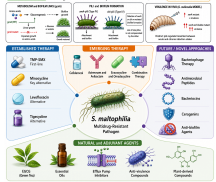
Stenotrophomonas maltophilia is an opportunistic, multidrug-resistant (MDR), Gram-negative bacterium that has emerged as an important cause of hospital- and community-acquired infections, particularly in immunocompromised, critically ill, and hospitalized patients. Its increasing clinical relevance is driven by extensive virulence determinants, biofilm formation, intrinsic and acquired antimicrobial resistance, and persistence within healthcare-associated environmental reservoirs. This narrative review summarizes current evidence on the epidemiology, pathogenic mechanisms, antimicrobial resistance, and therapeutic management of S. maltophilia, with a particular focus on emerging treatment strategies. A literature search of PubMed, Scopus, Web of Science, and Google Scholar was performed to identify relevant studies published between 1997 and 2026. The available evidence demonstrates that biofilm formation, quorum sensing, adhesion factors, secretion of extracellular enzymes, and multiple resistance mechanisms—including β-lactamases, multidrug efflux pumps, and horizontally acquired resistance genes—substantially contribute to persistent infections and therapeutic failure. Hospital outbreaks are frequently associated with contaminated water systems, sinks, and medical devices, emphasizing the importance of environmental surveillance and infection control. Trimethoprim-sulfamethoxazole (TMP-SMX) remains the recommended first-line therapy, whereas minocycline, tigecycline, fluoroquinolones, and cefiderocol represent important alternatives for selected patients. Emerging approaches, including novel tetracyclines, bacteriophages, bacteriocins, ceragenins, anti-biofilm agents, and plant-derived compounds, have demonstrated promising preclinical activity against MDR and biofilm-associated infections, although robust clinical evidence remains limited. Continued surveillance, antimicrobial stewardship, pharmacokinetic/pharmacodynamic-guided therapy, and well-designed prospective clinical studies are essential to optimize the management of S. maltophilia infections and facilitate the translation of emerging therapeutic strategies into clinical practice.
-
Gut microbiota-associated metabolites and microbial components in acute ischemic stroke – Neuroimmune inflammation, biomarkers, and therapeutic targets: A narrative review
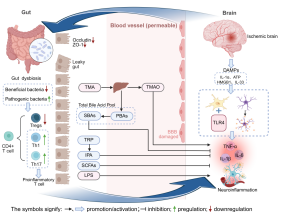
Acute ischemic stroke (AIS) induces gut microbiota dysbiosis and intestinal barrier disruption, potentially influencing neuroimmune inflammation via altered microbial metabolites and components. This narrative review synthesizes current evidence on the mechanisms, biomarker potential, and therapeutic implications of gut microbiota-associated molecules in AIS. We searched PubMed, Web of Science, and Scopus for peer-reviewed studies published between May 1999 and May 2026. From 283 identified records, 87 animal and clinical studies met eligibility and were included. Evidence indicates that trimethylamine N-oxide (TMAO), lipopolysaccharide (LPS), and the tryptophan (TRP)-derived metabolite quinolinic acid predominantly promote neuroinflammation. They achieve this by disrupting blood-brain barrier integrity, activating pro-inflammatory signaling, inducing excitotoxicity, or enhancing thrombosis. Conversely, short-chain fatty acids (SCFAs), kynurenic acid, indole-3-propionic acid, and secondary bile acids exert anti-inflammatory and neuroprotective effects through immune modulation and microglial polarization. Clinical studies suggest TMAO may aid first-stroke risk stratification, while fecal SCFAs, TRP-related metabolites, and circulating bile acids show potential for assessing stroke severity or functional prognosis. However, findings vary based on specimen type, disease stage, and sampling time. Therapeutic approaches targeting these molecules—including metabolite supplementation, modulation of endogenous metabolite production, and nanodelivery systems—have shown encouraging effects, primarily in preclinical models. In conclusion, gut microbiota-associated metabolites and microbial components represent promising AIS biomarkers and therapeutic targets. However, substantial methodological heterogeneity and limited clinical validation currently restrict their translation into routine practice for ischemic stroke management.
-
Hantavirus infections in Southeastern Europe – Epidemiology, outbreak dynamics, and One Health preparedness: A narrative review
Human-pathogenic orthohantaviruses are significant rodent-borne zoonotic pathogens in Europe. Southeastern Europe (SEE) is a distinct endemic region where Dobrava-Belgrade virus (DOBV) and Puumala virus (PUUV) co-circulate, causing hemorrhagic fever with renal syndrome (HFRS) of varying severity. This narrative review synthesizes the epidemiology, transmission dynamics, clinical characteristics, ecological drivers, and public health challenges of hantavirus infections across SEE, identifying priorities for regional preparedness. We searched PubMed, Scopus, and Web of Science from their inception through June 2026, supplementing with reference screening. Regional epidemiological patterns were assessed descriptively using national surveillance data, European surveillance reports, published studies, and available population-based incidence estimates. Long-term surveillance reveals persistent endemic transmission with significant geographic and interannual heterogeneity. Slovenia and Croatia exhibit the highest cumulative burden and most pronounced periods of increased HFRS activity. Several years—2008, 2012, 2014, 2017, 2019, 2021, and 2023—showed partially synchronized increases across multiple neighboring countries. These patterns align with shared ecological influences, including rodent population fluctuations, mast-seeding events, and climatic variability. However, local ecology, human exposure, and differences in surveillance capacity modify their magnitude. The coexistence of generally milder PUUV-associated disease and more severe DOBV-associated HFRS further distinguishes SEE's clinical landscape. Therefore, hantavirus epidemiology in SEE is best understood as an interconnected regional ecological system. Integrated human, animal, environmental, and genomic surveillance within a coordinated One Health framework is crucial for improving outbreak prediction, cross-border preparedness, and future disease control.

Systematic review/Meta analysis
5 articles-
Malnutrition assessed by nutritional risk scores and major adverse cardiovascular and cerebrovascular events in older adults: A systematic review and meta-analysis
Major adverse cardio- and cerebrovascular events (MACCE) are critical determinants of clinical outcomes in older patients. However, the relationship between nutritional status and the prognosis of cardiovascular and cerebrovascular diseases remains underexplored. This meta-analysis investigates the association of commonly used nutritional scores with MACCE in older adults. A systematic search of the Cochrane Library, Embase, PubMed, and Web of Science was conducted up to November 28, 2025, to identify clinical studies examining nutritional scores and MACCE in older adults. The primary outcome was the risk of MACCE. Meta-analyses were performed using RStudio to pool hazard ratios (HRs) with their corresponding 95% confidence intervals (CIs) to quantify the association between various nutritional scores and MACCE. Our meta-analysis included 28 studies comprising 80,860 individuals. Data were stratified based on derivation from univariate or multivariate Cox regression. Pooled results from multivariate-adjusted data revealed that malnutrition, as assessed by the geriatric nutritional risk index (GNRI: HR [95% CI]: 1.38 [1.22, 1.55]), the prognostic nutritional index (PNI: 1.34 [1.02, 1.76]), and the nutritional risk index (NRI: 1.37 [1.08, 1.73]), was significantly associated with an elevated risk of MACCE. Furthermore, increasing scores on the controlling nutritional status (CONUT) index (1.19 [1.12, 1.26]) and decreasing scores on the GNRI (0.95 [0.93, 0.98]) and PNI (0.95 [0.93, 0.97]) were each significantly correlated with a higher risk of MACCE. In conclusion, nutritional scores demonstrate a significant association with the risk of MACCE and its secondary outcomes in the older population.
-
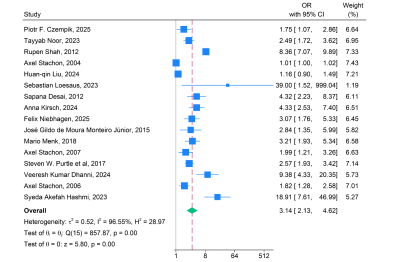
Peripheral blood nucleated red blood cells predict short-term mortality and clinical outcomes in critically ill adults: A systematic review and meta-analysis
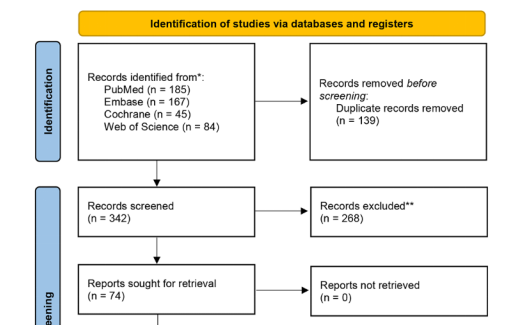
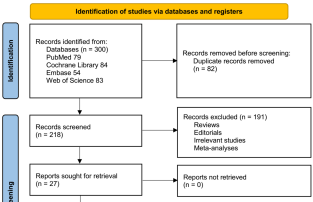
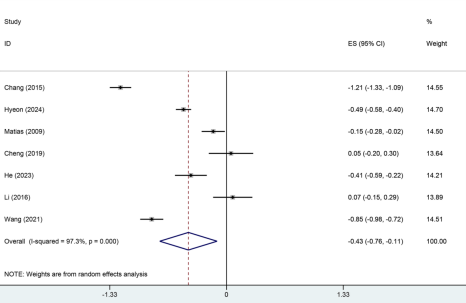
Peripheral blood nucleated red blood cells (NRBCs) are rarely detected in healthy adults but may appear during severe systemic inflammation, tissue hypoxia, and hematopoietic stress in critical illness. This meta-analysis aimed to evaluate the prognostic value of peripheral blood NRBCs for mortality and clinical outcomes in critically ill adults. The study followed the Preferred Reporting Items for Systematic Reviews and Meta-Analyses (PRISMA) guidelines, was registered in the International Prospective Register of Systematic Reviews (PROSPERO; CRD420251250833), and included cohort studies identified through PubMed, Embase, the Cochrane Library, and Web of Science from inception to June 2, 2026. Study quality, risk of bias, and certainty of evidence were assessed using the Newcastle–Ottawa Scale (NOS), Quality In Prognosis Studies (QUIPS) tool, and Grading of Recommendations Assessment, Development and Evaluation (GRADE) approach. Overall, 20 cohort studies including 17,691 critically ill adults were included. NRBC positivity was associated with higher 30-day mortality than NRBC negativity, both by odds ratio (OR = 3.14, 95% confidence interval [CI]: 2.13–4.62) and hazard ratio (HR = 1.55, 95% CI: 1.24–1.93). NRBC-positive patients also had longer total hospital stay (mean difference [MD] = 8.73 days, 95% CI: 2.14–15.33) and intensive care unit (ICU) stay (MD = 7.51 days, 95% CI: 3.29–11.73), whereas 90-day mortality was not significantly different between groups. Dose–response analysis showed a nonlinear positive association between increasing NRBC concentrations and 30-day mortality risk. Peripheral blood NRBCs may serve as an adjunctive marker of short-term prognosis and illness severity in critically ill adults, although substantial heterogeneity and very low certainty for several outcomes warrant cautious interpretation.
-
Progressive resistance exercise for preventing breast cancer-related lymphedema after breast cancer surgery: A systematic review and meta-analysis
Breast cancer-related lymphedema (BCRL) is a prevalent and debilitating complication following breast cancer surgery. Progressive resistance exercise (PRE) has been proposed as a preventive strategy, yet evidence from randomized controlled trials (RCTs) remains inconclusive. This meta-analysis aimed to evaluate the impact of PRE on the incidence of postoperative BCRL. We conducted a comprehensive search of PubMed, Cochrane Library, Embase, and Web of Science for RCTs comparing PRE with non-PRE interventions in adults undergoing breast cancer surgery without baseline lymphedema. Risk ratios (RRs) with 95% confidence intervals (CIs) were aggregated using a random-effects model to address potential heterogeneity. A total of eleven RCTs involving 1,450 women were included in the analysis. The findings indicated that PRE significantly reduced the risk of BCRL compared to control groups (RR = 0.68, 95% CI: 0.53–0.88; p = 0.003), with no significant heterogeneity observed (I² = 0%). The results were consistent in leave-one-out sensitivity analyses and remained robust after excluding two high-risk studies (RR = 0.65, 95% CI: 0.49–0.85). Furthermore, subgroup analyses revealed no significant modifications in results based on age, baseline body mass index, axillary lymph node dissection status, timing of PRE initiation, intervention duration, follow-up length, or diagnostic criteria (all p for subgroup difference > 0.05). Egger's test showed no significant risk of publication bias (p = 0.68). The certainty of evidence was rated as moderate, primarily downgraded due to the risk of bias associated with the open-label design of the included RCTs. In conclusion, PRE may be linked to a reduced incidence of BCRL following breast cancer surgery, supported by moderate-certainty evidence. Therefore, PRE should be considered as a component of postoperative rehabilitation and a potential strategy for lymphedema prevention, although further high-quality studies are necessary to validate these findings.
-
Vitamin D status and supplementation in left ventricular remodeling in chronic kidney disease: A systematic review and meta-analysis
Chronic kidney disease (CKD) is frequently accompanied by left ventricular remodeling, a major contributor to cardiovascular morbidity and mortality, while vitamin D deficiency is highly prevalent in this population. This systematic review and meta-analysis aimed to assess the association between vitamin D status and left ventricular remodeling and to evaluate whether vitamin D supplementation improves remodeling-related cardiac parameters in adults with CKD. Eight databases were searched through December 25, 2024, for observational and interventional studies reporting left ventricular mass index (LVMI), left ventricular ejection fraction (LVEF), or interventricular septal thickness (IVST). Sixteen studies were included: seven observational studies involving 1,487 participants and nine interventional studies involving 581 participants. In observational studies, higher vitamin D levels were associated with lower LVMI (r = −0.41, 95% confidence interval [CI]: −0.64 to −0.11), although heterogeneity was substantial and the certainty of evidence was very low. Vitamin D supplementation did not significantly improve LVMI (standardized mean difference [SMD] = −0.20, 95% CI: −0.62 to 0.22) or LVEF (SMD = 0.57, 95% CI: −0.32 to 1.46). A possible reduction in IVST was observed (SMD = −0.68, 95% CI: −1.32 to −0.05), but this finding was based on limited and inconsistent evidence. Overall, higher vitamin D status was associated with lower LVMI, whereas current interventional evidence does not establish that vitamin D supplementation improves left ventricular remodeling in CKD. Larger, adequately powered, long-term randomized trials are needed to determine whether specific CKD populations may derive cardiovascular structural benefit from vitamin D therapy.
-
Inflammatory biomarkers for early prediction of severe acute pancreatitis: A systematic review and meta-analysis
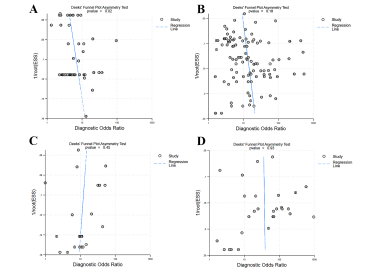
Acute pancreatitis (AP) can rapidly progress to severe disease, making accurate early risk stratification essential for timely treatment. This systematic review and meta-analysis evaluated the predictive performance of inflammatory biomarkers for AP severity. PubMed, Web of Science, the Cochrane Library, and Embase were searched from inception to November 5, 2025, for diagnostic accuracy studies in adults with AP. Study quality was assessed using the Quality Assessment of Diagnostic Accuracy Studies 2 (QUADAS-2) tool, and diagnostic performance was pooled using bivariate or conventional random-effects models. Overall, 88 studies comprising 12,318 participants and evaluating 17 biomarkers were included. Polymorphonuclear neutrophil elastase (PMN-elastase) showed the strongest overall performance, with an area under the curve (AUC) of 0.96 within 1 day after admission and sensitivity and specificity of 0.93 and 0.94, respectively, at admission. Interleukin-6 (IL-6) also demonstrated strong early predictive performance, with an AUC of 0.93 within 1 day and sensitivity and specificity of 0.96 and 0.80, respectively, within 2 days. C-reactive protein (CRP) performed better during serial monitoring than during early assessment, reaching an AUC of 0.92 on day 5 and a diagnostic odds ratio (DOR) of 177.22 on day 6. The CRP-to-albumin ratio, procalcitonin, interleukin-8, carboxypeptidase B activation peptide, and neopterin showed moderate-to-high predictive performance. By contrast, the neutrophil-to-lymphocyte ratio and white blood cell count showed modest accuracy, whereas the platelet-to-lymphocyte ratio, erythrocyte sedimentation rate, and interleukin-10 had limited predictive value. PMN-elastase and IL-6 are promising biomarkers for early assessment of AP severity, whereas CRP is more suitable for dynamic monitoring. However, substantial methodological and clinical heterogeneity precludes direct ranking of biomarkers and highlights the need for standardized, prospective studies evaluating multimarker models.
Research article
34 articles-
Survival after breast-conserving surgery versus mastectomy in mammary Paget disease: A propensity-matched SEER population-based analysis
Mastectomy has traditionally been the dominant surgical approach for mammary Paget disease, but its survival advantage over breast-conserving surgery (BCS) remains uncertain. We compared breast cancer-specific survival (BCSS) and overall survival (OS) after mastectomy versus BCS in a population-based SEER cohort. Female patients with mammary Paget disease diagnosed between 2000 and 2022 were identified; after exclusions, 641 surgically treated patients were included, of whom 323 underwent BCS and 318 underwent mastectomy. The primary treatment-strategy effect was estimated using inverse-probability-of-treatment weighting, with radiotherapy excluded from the propensity model as a mediator on the BCS pathway. A 1:1 propensity-matched cohort served as a sensitivity analysis. Survival was assessed using Kaplan–Meier analysis, multivariable Cox regression, Aalen–Johansen competing-risk estimation, Fine–Gray modelling, and additional robustness analyses. After matching, 228 pairs were analyzed. Five-year BCSS was 95.8% after BCS and 94.1% after mastectomy; corresponding ten-year estimates were 93.4% and 92.2% (log-rank p = 0.72). Ten-year cumulative incidence of breast cancer-specific death was 6.3% versus 7.4%, respectively, after accounting for competing non-cancer mortality. OS did not differ significantly between groups (p = 0.46). Mastectomy was not associated with improved BCSS in the primary weighted analysis (hazard ratio 1.19, 95% confidence interval 0.66–2.14, p = 0.56) or the matched sensitivity analysis (hazard ratio 1.30, 95% confidence interval 0.58–2.88, p = 0.52). Findings were concordant across competing-risk, overlap-weighted, parsimonious, penalized, and age-stratified models. In this SEER-based, propensity-adjusted analysis, mastectomy was not associated with a detectable survival advantage over BCS in women with mammary Paget disease. These findings support BCS as a reasonable option in selected patients, while prospective studies incorporating margin status, receptor biology, local recurrence, and patient-reported outcomes are needed.
-
Perioperative hemoglobin trajectories and transient hemodilution during cytoreductive surgery with hyperthermic intraperitoneal chemotherapy
Cytoreductive surgery with hyperthermic intraperitoneal chemotherapy (HIPEC) for peritoneal malignancies involves heated intraperitoneal cisplatin perfusion and liberal intravenous hydration, both of which may affect perioperative hemoglobin (Hb) concentrations. This study aimed to characterize Hb trajectories during HIPEC and determine whether these patterns differ between laparoscopic and open procedures. We retrospectively analyzed 186 HIPEC procedures performed between 2018 and 2023, including 107 laparoscopic and 79 laparotomy cases. Hb concentrations were assessed before HIPEC, from HIPEC initiation to the end of surgery, and on the first postoperative measurement. Changes were compared using two-way repeated-measures analysis of variance (ANOVA), and mixed-effects multivariable regression was used to identify factors associated with intra-to-postoperative Hb shifts. Laparoscopic procedures were shorter and associated with lower fluid administration and blood loss than laparotomy procedures (all p<0.001). Hb declined from baseline to intraoperative nadir in both groups, with reductions of –1.24 g/dL after laparoscopy and –1.62 g/dL after laparotomy (both p<0.001), followed by partial postoperative recovery of +0.84 g/dL and +0.62 g/dL, respectively (both p<0.001). Longer operative duration was associated with reduced postoperative Hb recovery in laparotomy cases (–0.12 g/dL/hour; p<0.040). HIPEC is associated with a modest intraoperative Hb decline followed by early partial recovery, a pattern consistent with transient intraprocedural hemodilution. Recognizing this trajectory may help contextualize intraoperative Hb values and support more nuanced transfusion decision-making.
-
Development and temporal validation of an interpretable XGBoost model for predicting cardiovascular death in patients with diabetic foot
Patients with diabetic foot (DF) have a high risk of cardiovascular (CV) death, yet dedicated risk-prediction tools for this population are lacking. We developed and temporally validated an interpretable machine learning (ML) model for predicting CV death in patients with DF. This single-center retrospective cohort study included 2,835 patients admitted between February 2017 and May 2025. The development cohort comprised 2,325 patients, including 748 CV deaths, and was divided into training, internal validation, and held-out test sets; an independent temporal validation cohort included 510 patients, including 220 CV deaths. Nine supervised ML algorithms were compared using the area under the receiver operating characteristic curve (AUC). Extreme gradient boosting (XGBoost) showed the best overall performance. The optimal model, incorporating demographic and diabetes-related characteristics, routine laboratory parameters, and DF-specific features, achieved AUCs of 0.829 (95% confidence interval [CI]: 0.752–0.905) in internal validation, 0.844 (95% CI: 0.806–0.881) in the held-out test set, and 0.828 (95% CI: 0.789–0.868) in temporal validation. The model demonstrated good calibration and favorable net benefit on decision curve analysis. SHapley Additive exPlanations (SHAP) identified age, serum creatinine, glycated hemoglobin, triglycerides, and body mass index as the most influential predictors of increased model-predicted risk. This interpretable XGBoost model may support early identification and individualized risk stratification of patients with DF at high risk of CV death; however, prospective multicenter validation is required before clinical implementation.
-
Pretreatment stromal CD4⁺ T-cell density predicts favorable response to total neoadjuvant therapy in locally advanced rectal cancer
Total neoadjuvant therapy (TNT) has become an important treatment strategy for locally advanced rectal cancer (LARC), increasing the need for pretreatment biomarkers that may predict major tumor response and support organ-preserving approaches. This study aimed to evaluate whether pretreatment stromal CD4⁺ and CD8⁺ T-cell densities, together with stromal tumor-infiltrating lymphocytes (TILs), are associated with response to TNT in patients with LARC. In this retrospective study, 45 patients with LARC who completed TNT were analyzed; pretreatment colonoscopic biopsy specimens were available for all patients, and paired post-treatment resection specimens were available for 40 surgically treated patients. CD4⁺ and CD8⁺ T-cell densities were assessed immunohistochemically in stromal hotspot areas and expressed as cells/mm², while stromal TILs were evaluated on hematoxylin–eosin sections. A favorable response was defined as tumor regression grade (TRG) 0–1 in surgically treated patients or clinical complete response in patients managed with a watch-and-wait strategy. Median pretreatment CD4⁺ T-cell density, CD8⁺ T-cell density, and stromal TIL percentage were 320 cells/mm², 64 cells/mm², and 30%, respectively. Receiver operating characteristic (ROC) analysis identified a pretreatment stromal CD4⁺ T-cell density cutoff of 410 cells/mm² for favorable response, with an area under the curve (AUC) of 0.68 (p=0.041). CD4⁺ T-cell density >410 cells/mm² was significantly associated with favorable response and remained independently associated with response in multivariable logistic regression analysis (odds ratio [OR]=5.05, 95% confidence interval [CI]: 1.21–20.83, p=0.026). In contrast, pretreatment CD8⁺ T-cell density and stromal TIL percentage were not significantly associated with response. In paired specimens, CD8⁺ T-cell density increased significantly after treatment (p<0.001), whereas CD4⁺ T-cell density and stromal TIL percentage did not change significantly. Lymphovascular invasion (LVI) and perineural invasion (PNI) were associated with non-favorable response. High pretreatment stromal CD4⁺ T-cell density may represent a candidate biomarker of favorable response to TNT in LARC, while the post-treatment increase in CD8⁺ T-cell density suggests a potential immunomodulatory effect of TNT; however, prospective validation in larger cohorts is required.
-
Prognostic value of the C-reactive protein-to-albumin ratio in acute pancreatitis
Acute pancreatitis (AP) has a highly variable clinical course, making early identification of patients at risk of severe acute pancreatitis (SAP) essential for timely management. This study evaluated the ability of the C-reactive protein-to-albumin ratio (CRP/albumin ratio) at hospital admission to predict SAP and compared its performance with established prognostic scoring systems. This retrospective, single-center cohort study included 502 adults admitted with AP between January 2024 and December 2025. Disease severity was classified according to the revised Atlanta classification. The CRP/albumin ratio was calculated at admission and during serial follow-up, and its predictive performance was assessed using receiver operating characteristic (ROC) curve analysis and Firth logistic regression. Overall, 308 patients (61.4%) had mild, 130 (25.9%) had moderately severe, and 64 (12.7%) had severe AP. The admission CRP/albumin ratio was significantly higher in patients with SAP than in those with less severe disease (p<0.001), and the difference persisted during follow-up. The ratio demonstrated acceptable discrimination for SAP, with an area under the curve (AUC) of 0.796 (95% confidence interval [CI]: 0.666–0.925). A cut-off value of 24.89 provided 69.6% sensitivity and 86.0% specificity. Its discriminatory performance was comparable to that of the Acute Physiology and Chronic Health Evaluation II (APACHE II) score (AUC: 0.800; p=0.959). In complete-case multivariable Firth logistic regression involving 66 patients, including 23 with SAP, the CRP/albumin ratio remained independently associated with SAP (odds ratio: 1.035; 95% CI: 1.011–1.072; p<0.001). The admission CRP/albumin ratio may therefore serve as a simple and readily available complementary marker for early risk stratification in AP, although the proposed cut-off requires validation in prospective multicenter studies.
-
Conditional survival nomogram for dynamic prognostic prediction in older women with surgically treated breast cancer
Prognostic estimates established at breast cancer diagnosis may become less informative as patients survive longer, particularly among older women with substantial competing mortality risks. This study aimed to develop and internally validate a dynamic conditional survival (CS) nomogram for predicting breast cancer-specific survival (BCSS) in surgically treated women aged ≥70 years. Data were obtained from the Surveillance, Epidemiology, and End Results (SEER) database for patients diagnosed between 2010 and 2015. The 44,354 eligible patients were randomly assigned to training (n = 31,047) and internal validation (n = 13,307) cohorts. A random survival forest (RSF) algorithm was used to select prognostic variables, which were incorporated into a multivariable Cox regression model to construct a nomogram combining conventional and conditional BCSS estimates. Model performance was evaluated using the concordance index (C-index), time-dependent receiver operating characteristic curves, calibration analysis, and decision curve analysis. The RSF algorithm selected age, T stage, N stage, M stage, histological grade, and molecular subtype as independent predictors of BCSS. The estimated probability of surviving to 10 years increased from 88% at diagnosis to 89%, 92%, 95%, and 97% after surviving 1, 3, 5, and 7 years, respectively. The model achieved C-indices of 0.833 and 0.830 in the training and validation cohorts, respectively, with time-dependent areas under the curve ranging from 0.841 to 0.882. Calibration was satisfactory, and the nomogram provided greater net benefit than tumor–node–metastasis staging alone. This internally validated nomogram provides individualized, time-updated BCSS estimates and may support dynamic risk stratification during long-term follow-up, although external validation is required before clinical implementation.
-
Baseline visceral fat area and early visceral fat loss predict survival in HER2-negative advanced gastroesophageal adenocarcinoma treated with immunochemotherapy
Immune checkpoint inhibitor (ICI)-based chemotherapy has improved outcomes in human epidermal growth factor receptor 2 (HER2)-negative advanced gastroesophageal adenocarcinoma (GEA), but clinically accessible prognostic biomarkers remain limited. This study evaluated the prognostic significance of baseline and early changes in computed tomography (CT)-derived body composition and peripheral inflammatory markers in patients receiving first-line immunochemotherapy. This retrospective single-center study included 188 patients with unresectable HER2-negative advanced GEA who completed at least three treatment cycles and underwent baseline and post-cycle 3 CT and laboratory assessments. Visceral fat area (VFA), subcutaneous fat area, and skeletal muscle area were measured at the third lumbar vertebral level, and inflammatory and nutritional indices, including the neutrophil-to-lymphocyte ratio (NLR), were calculated. Associations with progression-free survival (PFS), overall survival (OS), and treatment response were assessed using Cox regression and exploratory threshold-based analyses. During a median follow-up of 16.2 months, 102 PFS events and 75 deaths occurred. In multivariable baseline analyses, a higher Charlson Comorbidity Index, elevated carcinoembryonic antigen (CEA), higher NLR, and lower VFA were independently associated with shorter PFS, whereas elevated CEA and lower VFA were independently associated with shorter OS. Each 1000-mm² increase in VFA was associated with lower risks of progression or death (hazard ratio [HR], 0.912; 95% confidence interval [CI], 0.863–0.964) and death (HR, 0.919; 95% CI, 0.864–0.977). Patients with high baseline VFA also had a higher objective response rate than those with low VFA (45.8% vs. 28.4%). In exploratory threshold-based longitudinal analyses, a VFA reduction greater than 20% was associated with shorter PFS and OS; however, continuous analyses of body composition changes did not confirm independent associations. Higher baseline VFA may represent a favorable host-related prognostic marker in HER2-negative advanced GEA treated with immunochemotherapy, whereas the prognostic value of early VFA loss requires prospective external validation.
-
Platelet-rich plasma–assisted nonoperative treatment of acute anterior cruciate ligament injuries: Clinical and MRI outcomes and factors associated with success
Anterior cruciate ligament (ACL) reconstruction is commonly recommended for highly active patients, but interest in biologically augmented nonoperative treatment is increasing. This study evaluated clinical and imaging outcomes and explored factors associated with success after platelet-rich plasma (PRP)-assisted nonoperative treatment of acute ACL injuries. This retrospective case series included 40 highly active patients with magnetic resonance imaging (MRI)-confirmed ACL injuries treated within 6 weeks of injury between 2019 and 2023. PRP injections were combined with bracing and staged rehabilitation, and patients were followed for at least 18 months. Treatment success required restored ACL continuity on MRI, a pivot-shift grade ≤1, return to the preinjury sports level, and no major adverse events or subsequent surgery. ACL continuity was restored in 38 patients (95.0%), and 33 (82.5%) met all success criteria. In exploratory analyses, success was more frequent in patients aged ≥30 years than in younger patients (95.2% vs 68.4%, p = 0.027), in partial than complete tears (100.0% vs 66.7%, p = 0.019), and in femoral-side than mid-substance tears (92.6% vs 61.5%, p = 0.029). All seven treatment failures involved complete tears, and five involved mid-substance tears. However, none of these factors was independently associated with treatment failure in exploratory Firth penalized logistic regression. PRP-assisted nonoperative management yielded favorable clinical and MRI outcomes in this selected cohort. These findings are hypothesis-generating, and the independent contribution of PRP cannot be determined because of the retrospective uncontrolled design and limited number of treatment failures.
-
Competing cardiovascular and tumor-specific mortality in malignant phyllodes tumor
Malignant phyllodes tumor of the breast is a rare neoplasm, and its long-term competing causes of death remain insufficiently characterized. This study aimed to quantify phyllodes-specific and cardiovascular mortality and determine whether cardiovascular mortality exceeds that expected in the general female population. Women with histologically confirmed malignant phyllodes tumor diagnosed between 2000 and 2020 were identified in the Surveillance, Epidemiology, and End Results (SEER) 17-registry database. Phyllodes-specific, cardiovascular, and other-cause mortality were evaluated using competing-risk methods, while cardiovascular standardized mortality ratios (SMRs) were calculated using United States female circulatory-disease rates and person-time distributed across attained-age strata by Lexis expansion. Among 2106 women followed for a median of 165 months, 294 died from phyllodes-specific causes, 83 from cardiovascular causes, and 163 from other causes. Phyllodes-specific mortality remained the dominant competing risk throughout follow-up, with 180-month cumulative incidences of 14.6% for phyllodes-specific death and 4.4% for cardiovascular death. Cardiovascular mortality was not elevated relative to the general female population when person-time was standardized by attained age (SMR 0.92; 95% confidence interval 0.74–1.14) or additionally by calendar period (SMR 1.00; 95% confidence interval 0.80–1.24). In contrast, assigning all person-time to age at diagnosis produced an inflated SMR of 1.95. Phyllodes-specific death therefore remains the principal long-term mortality risk in malignant phyllodes tumor, whereas the apparent excess cardiovascular mortality results from incorrect person-time allocation rather than a true increase in risk.
-
Urinary monoester phthalate metabolites and thyroid function in healthy adults: Sex- and obesity-specific associations
Phthalates are widespread endocrine-disrupting chemicals that may subtly alter thyroid homeostasis, although the influence of sex and adiposity on these associations remains unclear. This cross-sectional study investigated the associations of urinary monoethyl phthalate (MEP) and mono(2-ethylhexyl) phthalate (MEHP) with thyroid function according to sex and body mass index (BMI). The study included 201 metabolically healthy adults aged 18–57 years from Serbia. First-morning urine samples were analyzed for phthalate metabolites by gas chromatography–mass spectrometry, while serum free triiodothyronine (FT3), free thyroxine (FT4), and thyroid-stimulating hormone (TSH) were measured using a chemiluminescent immunoassay. Participants were classified as lean or overweight and obese, and associations were evaluated using group comparisons and hierarchical multiple linear regression. MEP and MEHP concentrations were above the limit of quantification (LOQ) in 31.84% and 21.89% of samples, respectively. Overweight and obese participants with MEP concentrations above the LOQ had higher FT4 levels than those with concentrations below the LOQ, whereas lean participants with MEHP above the LOQ had lower FT4 levels. Regression analyses identified a significant interaction among MEP, BMI, and sex for TSH, with higher MEP associated with higher TSH primarily in overweight and obese women. A significant interaction among MEHP, BMI, and sex was also observed for FT3, although the inverse association in lean men was only marginally significant. Urinary MEP and MEHP were associated with subtle, sex- and adiposity-dependent variations in thyroid hormone levels within physiological ranges. These exploratory findings require confirmation in larger longitudinal studies using repeated exposure measurements.
-
Temporal increase in the endothelial activation and stress index before brain death
Brain death (BD) is accompanied by systemic inflammation and endothelial dysfunction, but temporal changes in endothelial injury during progression to BD remain insufficiently characterized. This study aimed to evaluate serial changes in the Endothelial Activation and Stress Index (EASIX) during the clinical course leading to BD. This retrospective, single-center study included patients diagnosed with BD in the intensive care unit (ICU) between January 2019 and June 2025. EASIX, calculated from lactate dehydrogenase (LDH), serum creatinine, and platelet count, was assessed at ICU admission, 24 hours before BD, 12 hours before BD, and at BD diagnosis. Temporal differences were analyzed using the Friedman test, followed by Wilcoxon signed-rank tests with Bonferroni adjustment. Of 222 patients diagnosed with BD, 52 met the inclusion criteria. EASIX values differed significantly across the four time points (p < 0.001), with significant differences observed between ICU admission and BD diagnosis and between 24 and 12 hours before BD. These findings indicate that EASIX increases during the clinical course leading to BD and may reflect progressive systemic endothelial activation and worsening critical illness rather than a BD-specific process. Prospective comparative studies are needed to validate its clinical utility.
-
Serum amino acid profiles in acute myocardial infarction: NMR metabolomics comparison of STEMI, NSTEMI, and controls
Altered amino acid metabolism may reflect the acute metabolic response to atherosclerotic cardiovascular disease, but its association with acute myocardial infarction (AMI) remains unclear. This study aimed to characterize serum amino acid profiles in patients with AMI and compare non-ST-segment elevation myocardial infarction (NSTEMI) with ST-segment elevation myocardial infarction (STEMI). In this retrospective cross-sectional study, serum samples from age-comparable controls without symptoms of coronary artery disease (CAD) and 60 patients with AMI, including 35 with NSTEMI and 25 with STEMI, were analyzed using nuclear magnetic resonance (NMR) spectroscopy. Metabolic differences were evaluated using principal component analysis (PCA), orthogonal projection to latent structures discriminant analysis (O-PLS-DA), univariate testing, and logistic regression. Thirty-one serum metabolites were identified, and validated O-PLS-DA models differentiated controls, NSTEMI, and STEMI. Compared with controls, patients with AMI had significantly lower serum concentrations of isoleucine, valine, alanine, leucine, glutamine, tyrosine, histidine, and phenylalanine. All these amino acids except glutamine were also significantly lower in STEMI than in NSTEMI. Reduced isoleucine, valine, alanine, leucine, tyrosine, histidine, and phenylalanine were consistently associated with both AMI and STEMI, whereas reduced glutamine was associated with AMI only. These findings demonstrate distinct serum amino acid alterations across AMI phenotypes and support their further investigation as exploratory indicators of acute metabolic shifts. Prospective longitudinal studies are required to determine their temporal, prognostic, and mechanistic relevance.
-
Rare VDR variant rs1338135647 and lower vitamin D levels in autism spectrum disorder: An exploratory case-control study in Indonesian children
Autism spectrum disorder (ASD) is a heterogeneous neurodevelopmental condition arising from interactions between genetic susceptibility and environmental factors, including vitamin D status. This study investigated the associations of serum vitamin D levels and vitamin D receptor (VDR) gene variants with ASD in Indonesian children. This exploratory case–control study included 80 children aged 24–59 months from Surabaya, Indonesia, comprising 40 children with ASD and 40 typically developing controls. Serum 25-hydroxyvitamin D3 (25[OH]D3) concentrations were measured using an enzyme-linked immunosorbent assay, while the VDR region containing rs731236 was amplified by polymerase chain reaction and analyzed using bidirectional Sanger sequencing. Sequencing additionally identified rs11574113, rs7975232, and the rare missense variant rs1338135647 (p.Gly375Asp). Children with ASD had lower serum 25(OH)D3 concentrations than controls (median, 46.13 vs 69.27 ng/mL; p = 0.027), and the difference remained significant after adjustment for age and sex (adjusted median difference, −24.86 ng/mL; 95% confidence interval [CI], −42.42 to −7.30; p = 0.007). The rs1338135647 AG genotype was more frequent in children with ASD than in controls (22.5% vs 2.5%) and remained associated with ASD after adjustment for age and sex using Firth penalized logistic regression (odds ratio, 6.44; 95% CI, 1.21–67.64; p = 0.028). No significant associations were observed for the other VDR variants. Lower vitamin D levels and the rare rs1338135647 variant may independently co-occur with ASD in Indonesian children; however, these hypothesis-generating findings require replication and functional validation in larger independent cohorts.
-
Portuguese macroalgae as a source of bioactive compounds with selective anticancer activity against breast cancer cells
Marine-derived natural products are promising sources of new anticancer agents, but the bioactivity of Portuguese macroalgae and halophytes remains insufficiently explored. This study aimed to identify extracts with selective antiproliferative activity against breast cancer cells using environmentally sustainable extraction methods. Crude extracts were prepared by ultrasound-assisted extraction with water or 10% dimethyl sulfoxide (DMSO) and screened in human MCF-7 breast adenocarcinoma cells using the sulforhodamine B (SRB) assay after 48 h of exposure. Active extracts were subsequently evaluated in non-tumorigenic MCF-12A breast epithelial cells, and half-maximal effective concentrations (EC50) were determined from concentration–response curves. Of 48 crude extracts screened, 21 inhibited MCF-7 cell proliferation in a concentration-dependent manner and were selected for further evaluation. Three extracts derived from the brown macroalgae Bifurcaria bifurcata II and Ericaria selaginoides—two aqueous and one DMSO-based—showed selective activity against MCF-7 cells without detectable inhibition of MCF-12A cells within the corresponding concentration ranges. These findings identify Portuguese macroalgae as promising sources of selectively active anticancer metabolites and support further phytochemical characterization and mechanistic investigation using sustainable bioprospecting approaches.
-
Immune-evasion-associated prognostic gene expression score stratifies survival and immune microenvironment features in breast cancer
Breast cancer is characterized by marked prognostic and immune heterogeneity, and tumor immune evasion may contribute to variable responses to immunotherapy. This study aimed to characterize immune-evasion-associated transcriptomic patterns in breast cancer and to develop an exploratory prognostic score linked to immune microenvironment features. A curated set of 182 immune-evasion-associated genes (IEGs) was analyzed in The Cancer Genome Atlas Breast Invasive Carcinoma (TCGA-BRCA) cohort. Fifteen differentially expressed IEGs distinguished two molecular clusters with different overall survival (OS), pathway-enrichment profiles, and inferred immune-cell characteristics. To construct an immune-evasion-associated prognostic score (IEPS), all 182 IEGs were screened by univariate Cox regression, and 44 OS-associated candidates were further analyzed using least absolute shrinkage and selection operator (LASSO) Cox regression, yielding a 12-gene score. Using the TCGA-derived median cutoff, high IEPS was associated with poorer OS in TCGA-BRCA and remained associated with OS in the external Gene Expression Omnibus (GEO) GSE20685 cohort; however, discrimination was modest, with external 3-, 5-, and 10-year area under the curve (AUC) values of 0.560, 0.572, and 0.581, respectively. Adding IEPS to available clinicopathological variables produced only modest performance improvement. Exploratory prediction analysis of microarray 50-gene (PAM50) subtype analysis showed that IEPS differed across molecular subtypes, indicating that the score may partly capture subtype-related transcriptomic heterogeneity. Low-IEPS tumors showed more immune-active pathway and immune-cell signatures, whereas high-IEPS tumors were associated with relatively less active antitumor immune features. Protein disulfide isomerase family A member 3 (PDIA3), one IEPS gene, was selected for preliminary functional validation; small interfering RNA (siRNA)-mediated PDIA3 knockdown reduced proliferation, clonogenic growth, and migration of breast cancer cells in vitro. Overall, IEPS may represent an exploratory transcriptome-based indicator associated with prognosis and immune-related features in breast cancer, but it should not be interpreted as a clinically validated standalone or molecular subtype-independent prognostic tool. Further independent validation and immune-relevant mechanistic studies are required, particularly to clarify the role of PDIA3 in breast cancer immune evasion.
-
Histopathology-guided multimodal pathomics identifies a PLEKHA6-positive epithelial state associated with phosphoinositide metabolism in esophageal cancer
Esophageal cancer is biologically heterogeneous, and conventional clinicopathological staging incompletely captures variation in patient outcomes. This study aimed to determine whether histopathology-derived features associated with phosphoinositide metabolism could support exploratory prognostic stratification and identify biologically interpretable epithelial states. Diagnostic whole-slide images and bulk transcriptomic data from The Cancer Genome Atlas Esophageal Carcinoma (TCGA-ESCA) cohort were integrated with single-cell RNA-sequencing data. Tissue-rich image tiles underwent manual quality control, deep features were extracted using an ImageNet-pretrained ResNet-50 model, and phosphoinositide metabolism activity was quantified by single-sample gene set enrichment analysis (ssGSEA). Associated image features were evaluated using machine-learning survival models, followed by clinicopathological adjustment and multimodal molecular characterization. The selected random survival forest plus gradient boosting machine model stratified overall survival in the training and internal validation cohorts, with concordance indices of 0.762 and 0.723, respectively. The standardized pathology-derived risk score remained associated with overall survival after adjustment for age, sex, histological subtype, and pathological stage (hazard ratio, 2.37; 95% confidence interval, 1.60–3.50). However, calibration was imperfect, and performance estimates may be optimistic because the internal validation cohort informed model selection. Most initial pathology–phosphoinositide metabolism associations were attenuated after adjustment for histological subtype. Multimodal analyses prioritized PLEKHA6 as a candidate pathology-associated epithelial-state marker rather than a subtype-independent prognostic biomarker. PLEKHA6-positive epithelial cells exhibited inflammatory and microenvironment-related transcriptional programs, predicted midkine- and macrophage migration inhibitory factor-related communication features, and stronger inferred copy-number variation-like signals. Higher tumor-level PLEKHA6 expression was also associated with distinct inferred immune, metabolic, and predicted drug-response profiles, although malignant-cell identity was not established. Because the analyzed tiles were not derived from pathologist-annotated malignant regions, the image signal represents composite diagnostic-slide tissue context. These findings identify an exploratory pathology-derived prognostic signal and a PLEKHA6-associated epithelial state in esophageal cancer that require independent, subtype-specific, pathological, and experimental validation.
-
Blood urea nitrogen-to-albumin ratio and in-hospital mortality in patients with ST-elevation myocardial infarction undergoing primary percutaneous coronary intervention
In-hospital mortality remains an important concern in patients with ST-elevation myocardial infarction (STEMI), highlighting the need for simple and readily available markers for early risk stratification. This study investigated the prognostic value of the blood urea nitrogen-to-serum albumin ratio (BAR) for in-hospital mortality in patients with STEMI undergoing primary percutaneous coronary intervention (pPCI). This single-center retrospective cohort study included 388 consecutive patients who underwent pPCI in 2024. Admission BAR was calculated using blood urea nitrogen (mg/dL) and serum albumin (g/L). Its association with in-hospital mortality was evaluated using receiver operating characteristic analysis and exploratory multivariable logistic regression, with Firth-penalized regression and bootstrap validation performed as sensitivity analyses. In-hospital death occurred in 18 patients (4.6%). Patients who died had significantly higher BAR values than survivors (0.7 vs. 0.4, p < 0.001). BAR showed good discrimination for in-hospital mortality, with an area under the curve of 0.869 (p < 0.001); the bootstrap-corrected area under the curve was also 0.869. An exploratory cut-off of 0.475 yielded 83.3% sensitivity and 75.4% specificity. In the multivariable model, each 0.1-unit increase in BAR was associated with higher odds of in-hospital mortality (odds ratio 1.412, 95% confidence interval 1.161–1.718; p = 0.0006), with a similar estimate in the Firth-penalized analysis (odds ratio 1.346, 95% confidence interval 1.121–1.616; p = 0.0008). Admission BAR may represent a simple candidate marker for early mortality risk stratification in STEMI patients undergoing pPCI; however, its prognostic performance and clinical utility require validation in larger prospective multicenter cohorts.
-
Black mulberry fruit extract attenuates valproic acid-induced toxicity by enhancing antioxidant defenses in FaO cells
Valproic acid (VPA) is widely used to treat neurological and psychiatric disorders but may cause hepatotoxicity partly through oxidative stress and impaired cellular metabolism. This study investigated whether black mulberry (Morus nigra L.) fruit extract attenuates VPA-induced injury in rat FaO hepatoma cells. Cells were exposed to VPA acutely (500 μg/mL for 28 hours) or chronically (120 μg/mL for 4 weeks). Mulberry extract (0.1 mg/mL) was added 3 hours before acute VPA exposure and maintained throughout co-treatment or administered during the final 24 hours of chronic exposure. Cell viability, hydrogen peroxide production, antioxidant enzyme activities, hepatocellular injury markers, glucose concentration, and extracellular 2,2′-azino-bis(3-ethylbenzothiazoline-6-sulfonic acid) (ABTS) radical-scavenging capacity were assessed. Compared with VPA alone, mulberry extract significantly increased glutathione peroxidase (GPx) activity under both acute and chronic conditions. During chronic VPA exposure, it also increased glutathione S-transferase (GST) activity and extracellular ABTS radical-scavenging capacity, improved cell viability, and reduced extracellular alanine aminotransferase (ALT) activity. During acute exposure, mulberry significantly reduced extracellular aspartate aminotransferase (AST) activity, whereas the improvement in cell viability was not statistically significant. Hydrogen peroxide production did not differ among acute treatment groups, and mulberry did not restore superoxide dismutase or catalase activity. These findings indicate that black mulberry fruit extract partially mitigates VPA-induced hepatocellular injury, primarily by enhancing glutathione-dependent antioxidant defenses. Further dose-response and in vivo studies are required to confirm its hepatoprotective potential.
-
Reduced E-cadherin, claudin-1, and claudin-6 expression and compartment-specific lymphocyte distribution in recurrent aphthous ulceration
Recurrent aphthous ulceration (RAU) is a prevalent inflammatory condition affecting the oral mucosa. However, the localized epithelial junctional changes and their connection to immune cell distribution are not well understood. This study sought to characterize junction-associated protein expression and compartment-specific lymphocyte distribution in RAU. This retrospective, multicenter, paired tissue study included 56 consecutive patients with clinically and histopathologically confirmed RAU. Semiquantitative immunohistochemistry was employed to compare E-cadherin, claudin-1, and claudin-6 expression. Comparisons were made between ulcer-adjacent non-ulcerated regenerative epithelium and morphologically preserved distant mucosa from the same patient. The study also evaluated cluster of differentiation 4 (CD4)-, cluster of differentiation 8 (CD8)-, and cluster of differentiation 20 (CD20)-positive lymphocytes in both intraepithelial and subepithelial/ulcer-base compartments. All distant mucosal samples exhibited strong expression of the three junctional proteins. In contrast, within the ulcer-adjacent epithelium, E-cadherin expression was weak in 35.7% and moderate in 64.3% of cases. Claudin-1 was absent in 17.9% and weak in 82.1%, while claudin-6 was absent in 71.4% and weak in 28.6%. Each marker demonstrated significantly lower expression in all paired cases (p < 0.001). Descriptively, CD8-positive lymphocytes were consistently present intraepithelially in all cases, whereas CD20-positive lymphocytes were absent. The ulcer base and adjacent subepithelial tissue contained CD4-, CD8-, and CD20-positive lymphocytes in all cases. RAU is consistently linked to a localized reduction of epithelial junctional proteins and distinct compartmental lymphocyte patterns. These findings suggest epithelial junctional remodeling within the RAU microenvironment, though they do not confirm functional barrier impairment or causality.
-
Sabinene attenuates inflammation and oxidative stress in CFA-induced arthritis: In vivo and in silico evidence implicating TLR4/NLRP3/NF-κB signaling
Rheumatoid arthritis (RA) is a chronic immune-mediated disease in which persistent inflammation and oxidative stress contribute to progressive joint damage. This study evaluated the prophylactic effects of sabinene in complete Freund’s adjuvant (CFA)-induced arthritis and explored potential molecular associations using integrated in vivo and computational approaches. Rats were allocated to vehicle control, arthritic control, piroxicam, or sabinene groups (15, 30, or 60 mg/kg; n = 6/group); sabinene was administered orally beginning 30 minutes before CFA injection and continued for 28 days. Paw swelling, hematological and biochemical parameters, inflammatory and oxidative-stress markers, and gene expression were assessed, followed by network pharmacology, enrichment analysis, and molecular docking. Sabinene dose-dependently attenuated CFA-induced paw swelling and body-weight loss and improved hematological, hepatic, renal, and inflammatory parameters. Treatment also enhanced antioxidant defenses and reduced lipid peroxidation, prostaglandin E₂, 5-lipoxygenase, and anti-cyclic citrullinated peptide antibody levels. Sabinene reduced messenger RNA expression of nuclear factor kappa B (NF-κB), toll-like receptor 4 (TLR4), NOD-like receptor family pyrin domain-containing 3 (NLRP3), caspase-1, gasdermin D, and other pro-inflammatory genes while increasing interleukin-4 and interleukin-10 expression. Network pharmacology identified 133 overlapping sabinene–RA targets, and molecular docking predicted interactions with tumor necrosis factor alpha (TNF-α), interleukin-6 (IL-6), signal transducer and activator of transcription 3 (STAT3), and interferon gamma (IFN-γ). These findings support a prophylactic protective effect of sabinene against CFA-induced arthritis associated with reduced inflammation, improved antioxidant status, and modulation of inflammasome-related gene expression. Further protein-level, functional, and post-induction studies are required to confirm the proposed mechanisms and therapeutic relevance.
-
Novel peptide inhibitors targeting the TGF-β receptor I/II complex modulate SMAD and ERK signaling in vitro
Transforming growth factor-β (TGF-β) contributes to fibrosis, immunosuppression, and tumor progression, but systemic TGF-β inhibition is limited by toxicity and lack of selectivity. This exploratory proof-of-concept study evaluated novel peptides designed to target the TGF-β receptor I/II complex and examined their effects on canonical and noncanonical TGF-β signaling in vitro. Peptides 2_5 and 2_6, selected by in silico docking of receptor–ligand interface-derived sequences, were tested in human embryonic kidney 293T (HEK293T) cells at 20 and 50 μM, with the TGF-β receptor I inhibitor SD-208 as a reference. Total and phosphorylated SMAD2, SMAD3, extracellular signal-regulated kinase 1/2 (ERK1/2), and c-Jun N-terminal kinase (JNK) were assessed by Western blotting and densitometry. Peptide 2_5 showed the strongest activity, reducing total ERK1/2 by 65% at 50 μM and phosphorylated ERK1/2 by 90.4% and 83.4% at 20 and 50 μM, respectively; SD-208 reduced total and phosphorylated ERK1/2 by 64.3% and 54.5%, respectively. Peptide 2_5 also reduced total SMAD2 by 81% at 50 μM, whereas its effect on SMAD2 phosphorylation was inconsistent. Peptide 2_6 showed minimal effects, JNK was largely unaffected, and SMAD3 results were inconclusive because of weak signals. These preliminary findings suggest that peptide 2_5 may differentially modulate TGF-β signaling, with a stronger effect on ERK1/2 than on SMAD2; however, receptor targeting and pathway selectivity require confirmation in fully replicated quantitative studies.
-
ESAT-6-specific antibody features and Fcγ receptor expression during pulmonary tuberculosis treatment: Implications for therapeutic monitoring
Tuberculosis (TB) remains a leading cause of global mortality, yet the long-term dynamics of antibody-mediated immunity during successful treatment are not fully understood. This study aimed to characterize how ESAT-6-specific antibody profiles, Fc gamma receptor (FcγR) expression, and antibody effector functions change in pulmonary TB patients undergoing treatment. In this exploratory longitudinal study, 21 adults with active pulmonary TB, who completed standard six-month therapy and achieved microbiological cure, were sampled at three time points: before treatment, after two months, and at treatment completion. We quantified ESAT-6-specific immunoglobulin G (IgG) and its subclasses using enzyme-linked immunosorbent assay (ELISA). FcγR expression was assessed via flow cytometry, and antibody-dependent cellular phagocytosis (ADCP) and antibody-dependent cellular cytotoxicity (ADCC) were evaluated with cell-based assays. Upon treatment completion, ESAT-6-specific total IgG and IgG4 significantly decreased from baseline in 85.7% and 81.0% of participants, respectively (both q < 0.001). Conversely, ADCP and ADCC increased in 76.2% of participants (q = 0.0017 and q = 0.0014, respectively). Activating FcγR expression also declined, most consistently for CD64 on granulocytes and monocytes, with additional reductions in CD16 and CD32 on monocytes. These findings reveal a coordinated remodeling of ESAT-6-specific humoral immunity during successful TB treatment. We identify IgG4 levels, FcγR expression, ADCP, and ADCC as potential correlates of treatment response. Further validation in larger prospective cohorts, including patients experiencing treatment failure and relapse, is necessary.
-
Development and internal validation of prognostic nomograms for overall and breast cancer-specific survival in de novo stage IV HER2-positive breast cancer
The widespread adoption of contemporary human epidermal growth factor receptor 2 (HER2)-targeted therapies has altered survival in HER2-positive metastatic breast cancer, potentially limiting the applicability of older prognostic models. We aimed to develop and internally validate nomograms for overall survival (OS) and breast cancer-specific survival (BCSS) in patients with de novo stage IV HER2-positive breast cancer diagnosed during 2018–2021. Using the Surveillance, Epidemiology, and End Results (SEER) database, 1,516 patients were randomly assigned to training (n = 1,061) and internal hold-out validation (n = 455) cohorts. Random Survival Forest analysis with a 98% out-of-bag concordance index criterion selected variables for multivariable Cox regression models predicting 1-, 3-, and 5-year survival. Discrimination, calibration, clinical utility, and risk stratification were assessed. Nine variables were retained for OS and seven for BCSS. Concordance indices in the training and validation cohorts were 0.764 and 0.741 for OS and 0.747 and 0.736 for BCSS, respectively. Areas under the time-dependent receiver operating characteristic curves (AUCs) ranged from 0.73 to 0.82. Calibration was generally acceptable, and decision curve analysis suggested potential net clinical benefit. High-risk patients had markedly poorer OS (hazard ratios, 5.05 in training and 5.07 in validation) and BCSS (4.32 and 4.09, respectively; all p < 0.001). Sensitivity analyses addressing the time-varying chemotherapy effect and competing risks broadly supported the primary findings. The nomograms showed good internal discrimination and may support individualized prognostic assessment once initial treatment information is available. However, SEER does not record specific HER2-targeted regimens; therefore, this cohort represents a contemporary calendar period rather than a treatment-confirmed dual-HER2-blockade population. External validation in treatment-annotated cohorts is required, and 5-year estimates should be interpreted cautiously given the median follow-up of 27 months.
-
Circulating FNDC4 levels and 12-month major adverse cardiovascular events in patients with STEMI undergoing PCI: A prospective cohort study
Fibronectin type III domain-containing protein 4 (FNDC4) is a circulating hepatokine with anti-inflammatory and cardioprotective properties, but its prognostic relevance after ST-segment elevation myocardial infarction (STEMI) remains uncertain. We investigated whether admission serum FNDC4 levels were associated with 12-month major adverse cardiovascular events (MACE) in patients with STEMI undergoing primary or urgent percutaneous coronary intervention (PCI). This single-center prospective observational study included 274 patients. Serum FNDC4 was measured before PCI using an enzyme-linked immunosorbent assay, and participants were followed for 12 months. Associations and prognostic performance were assessed using Spearman correlation, receiver operating characteristic, Kaplan–Meier, and Cox proportional hazards analyses. During follow-up, 51 patients (18.6%) experienced MACE. Serum FNDC4 levels were significantly lower in patients with MACE and were inversely correlated with interleukin-6 (IL-6) and N-terminal pro–B-type natriuretic peptide (NT-proBNP). The area under the receiver operating characteristic curve (AUC) for FNDC4 was 0.771 (95% confidence interval [CI], 0.695–0.839). Adding FNDC4 to a clinical model increased the AUC from 0.874 to 0.905 (ΔAUC, 0.031; 95% CI, 0.009–0.061). After adjustment for age, NT-proBNP, left ventricular ejection fraction (LVEF), estimated glomerular filtration rate (eGFR), and Killip class III/IV, each 10 ng/mL decrease in FNDC4 was associated with a higher risk of MACE (hazard ratio, 1.821; 95% CI, 1.360–2.438; p<0.001). Lower admission FNDC4 levels were independently associated with 12-month MACE after PCI for STEMI and may provide complementary prognostic information; however, multicenter external validation and serial FNDC4 measurements are required before clinical application.
-
Red blood cell distribution width and systemic immune-inflammation index in older adults with sepsis: Associations with in-hospital mortality
The prognostic value of red blood cell distribution width (RDW) and the systemic immune-inflammation index (SII) in older adults with sepsis remains uncertain. We evaluated their associations with mortality and incremental value beyond clinical predictors. This single-center retrospective cohort study included patients aged ≥65 years admitted to the intensive care unit (ICU) with sepsis between January 2020 and December 2025. RDW and SII were assessed within 24 hours of admission. In-hospital mortality was the primary outcome, and ICU mortality was the secondary outcome. Receiver operating characteristic analysis and multivariable logistic regression assessed discrimination, adjusted associations, and incremental model fit. Among 261 patients (mean age, 79.8 ± 8.9 years), in-hospital and ICU mortality were 62.1% and 55.6%, respectively. RDW was higher in non-survivors and showed weak-to-modest discrimination for in-hospital mortality, with an area under the curve (AUC) of 0.600 and a 95% confidence interval (CI) of 0.538–0.660; findings were similar for ICU mortality (AUC, 0.606; 95% CI, 0.543–0.665). SII showed no significant discrimination. Neither biomarker was independently associated with either outcome after adjustment, and adding both to clinical models did not significantly improve model fit (p = 0.289 and p = 0.089, respectively). Acute Physiology and Chronic Health Evaluation II (APACHE II) score and septic shock remained independently associated with both outcomes. These findings suggest limited incremental prognostic value of admission RDW and SII beyond established clinical predictors in geriatric sepsis.
-
Cardiovascular versus breast cancer mortality in men with breast cancer: An age-stratified SEER competing-risk study
Male breast cancer is rare and predominantly affects older patients, who face a substantial competing burden of cardiovascular disease. We aimed to characterize age-specific cumulative incidences of breast cancer, cardiovascular, and other-cause mortality and determine when cardiovascular cumulative incidence overtakes that of breast cancer. Using the Surveillance, Epidemiology, and End Results (SEER) database, we identified men diagnosed with non-metastatic invasive breast cancer during 2000–2022. Cause-specific cumulative incidence was estimated using the Aalen–Johansen estimator, with cardiovascular–breast cancer differences at 5 and 10 years as the primary comparison. Factors associated with cardiovascular death were evaluated using cause-specific Cox and complementary Fine–Gray models. Among 6702 men followed for a median of 67 months, 665 cardiovascular deaths occurred. Mortality patterns were strongly age-dependent. In men aged 80 years or older, cardiovascular cumulative incidence exceeded breast cancer cumulative incidence by 4.6 percentage points at 5 years and 14.6 percentage points at 10 years. In men aged 70–79 years, the differences were not significant at either time point, although an exploratory sustained crossover occurred near 13.6 years. After adjustment, age 80 years or older was strongly associated with cardiovascular death compared with age 60–69 years (hazard ratio 8.54, 95% confidence interval 6.89–10.60); regional stage and unmarried status were also associated with higher cardiovascular mortality. In men with non-metastatic breast cancer, cardiovascular cumulative incidence overtakes that of breast cancer early after diagnosis in the oldest patients. These findings support age-aware cardiovascular attention during survivorship but do not establish that intensified cardiovascular surveillance improves outcomes.
-
Association of general versus spinal anesthesia with perioperative changes in serum neuron-specific enolase, adiponectin, and visinin-like protein-1
Anesthesia and surgical stress may produce distinct neuronal and metabolic responses, but comparative data on perioperative biomarker trajectories after general and spinal anesthesia remain limited. This prospective observational study aimed to compare circulating neuron-specific enolase (NSE), adiponectin, and visinin-like protein-1 (VSNL1) in adults undergoing elective surgery under general anesthesia (GA) or spinal anesthesia (SA). Ninety-seven patients (GA, n = 52; SA, n = 45) underwent serum sampling preoperatively and at 6 and 24 hours postoperatively, and biomarker concentrations were measured using enzyme-linked immunosorbent assay (ELISA). Longitudinal associations were assessed using linear mixed-effects models adjusted for age, body mass index (BMI), operation duration, and surgical procedure type, with additional baseline-adjusted analyses for adiponectin. NSE increased in both groups but rose less in the SA group than in the GA group at 6 hours (adjusted interaction estimate, −7.765 ng/mL; p < 0.001) and 24 hours (−4.005 ng/mL; p < 0.001). Adiponectin decreased postoperatively, but group-by-time interactions were not significant, and baseline-adjusted analyses showed no significant association between anesthesia modality and adiponectin at either postoperative time point. VSNL1 increased over time; the group-by-time interaction was not significant at 6 hours but was significant at 24 hours (estimate, 0.635 ng/mL; p < 0.001), indicating a differential late trajectory. Perioperative biomarker trajectories differed between GA and SA, most consistently for NSE. However, nonrandom anesthesia assignment, substantial differences in surgical case mix and operation duration, and the absence of neurocognitive outcome assessment preclude causal or clinical interpretation. These findings should be regarded as exploratory adjusted associations and validated in larger, more homogeneous surgical cohorts.
-
Trigonelline improves mitochondrial calcium homeostasis and reduces calpain activity after skeletal muscle ischemia–reperfusion injury in mice
Skeletal muscle ischemia–reperfusion injury (IRI) causes persistent tissue damage and functional impairment, partly through mitochondrial calcium dysregulation and calpain-mediated proteolysis. This study investigated whether trigonelline (TG), a natural alkaloid, improves skeletal muscle recovery and mitochondrial homeostasis after IRI. Male C57BL/10 mice were randomly assigned to sham control, untreated IRI, or IRI plus TG groups. After 2 h of bilateral hindlimb ischemia, mice received a single intraperitoneal dose of TG (150 mg/kg) immediately before tourniquet release and were evaluated after 7 days of reperfusion. Functional performance, serum creatine kinase (CK) activity, quadriceps mass and histology, mitochondrial respiration and calcium handling, 4-hydroxynonenal (4-HNE) levels, and calpain activity were assessed. TG did not reduce CK activity, prevent quadriceps mass loss, restore grip strength, or significantly improve mitochondrial respiration. Exploratory wheel-running data suggested faster recovery of spontaneous activity. TG increased the number of regenerating fibers and shifted the fiber-diameter distribution toward larger fibers. It also reduced alamethicin-induced mitochondrial calcium release, restored calcium retention capacity to near-control levels, and decreased calpain activity. Although 4-HNE was elevated in both ischemic groups at 2 h, it remained elevated at day 7 only after TG treatment. Thus, a single post-ischemic dose of TG selectively improved mitochondrial calcium handling and reduced calpain activity and was associated with histological features consistent with muscle repair, but did not prevent muscle loss or restore strength. These preliminary findings support further investigation of TG as a potential strategy for recovery after ischemic muscle injury.
-
Cardiovascular risk assessment in adults with type 1 diabetes: A cross-sectional comparison of two prediction models
Accurate cardiovascular risk assessment is essential in type 1 diabetes (T1D), but agreement between disease-specific prediction models remains insufficiently characterized. This retrospective, single-center, cross-sectional study compared 10-year cardiovascular risk estimates from the Steno Type 1 Risk Engine (ST1RE) and the Scottish/Swedish risk prediction model in 100 adults aged 20–35 years with T1D and no previous atherosclerotic cardiovascular disease or major cardiovascular event. Continuous and categorical agreement were assessed using Bland–Altman analysis and linearly weighted Cohen’s κ, respectively, with identical thresholds applied for risk classification. Risk estimates were strongly correlated (Spearman’s ρ = 0.849, p < 0.001), with no significant paired difference on the Wilcoxon signed-rank test (p = 0.893). However, categorical agreement was fair, with a weighted κ of 0.334 and a 95% confidence interval (CI) of 0.078–0.590. The mean difference (ST1RE − Scottish/Swedish) was −1.46 percentage points (95% CI: −2.48 to −0.44), with 95% limits of agreement from −11.54 to 8.62 percentage points. Significant proportional bias indicated progressively higher Scottish/Swedish estimates as mean predicted risk increased (β = 0.91, p < 0.001). Despite strong correlation, individual-level discrepancies and proportional bias suggest limited interchangeability of these models in this cohort. Larger prospective studies assessing cardiovascular outcomes are needed to establish their comparative predictive accuracy and clinical utility.
-
Preoperative neutrophil-to-lymphocyte ratio and overall survival after biliary tract cancer resection: A retrospective cohort study
The comparative prognostic value of preoperative inflammatory markers in resected biliary tract cancer (BTC) remains uncertain. We evaluated the associations of neutrophil-to-lymphocyte ratio (NLR), derived neutrophil-to-lymphocyte ratio (dNLR), platelet-to-lymphocyte ratio (PLR), and lymphocyte-to-monocyte ratio (LMR) with overall survival (OS), focusing on NLR versus dNLR. This single-center retrospective cohort included 109 patients undergoing curative-intent resection. Exploratory cut-offs were derived using receiver operating characteristic analysis and the Youden index. Survival associations were assessed using Kaplan–Meier analysis and separate multivariable Cox models for NLR and dNLR to address multicollinearity. During follow-up, 70 patients died, and median OS was 19.43 months. Elevated NLR and dNLR were associated with shorter OS in univariable analyses. After adjustment, NLR ≥2.11 remained associated with shorter OS (hazard ratio, 4.043; 95% confidence interval, 1.199–13.635; p = 0.024), whereas dNLR ≥1.75 did not (p = 0.321). Neither marker was statistically significant when modeled continuously in adjusted analyses. PLR and LMR showed no statistically significant univariable associations with OS. Combining NLR, dNLR, and PLR yielded only modest discrimination (area under the curve, 0.666). These findings support further investigation of preoperative NLR as a prognostic marker in resected BTC. However, cohort-derived cut-offs and combined risk stratification remain exploratory and require validation in larger independent cohorts before clinical application.
-
Tissue MICA/B expression and serum soluble MICA in cholangiocarcinoma: Associations with survival and advanced disease
Cholangiocarcinoma (CCA) has a poor prognosis, highlighting the need for clinically informative biomarkers. This retrospective study examined associations of major histocompatibility complex class I chain-related molecules A (MICA) and B (MICB) and serum soluble MICA (sMICA) with clinical characteristics and survival. Transcript levels, combined tissue MICA and MICB (MICA/B) protein expression, and serum sMICA were assessed using real-time reverse transcription polymerase chain reaction, immunohistochemistry, and enzyme-linked immunosorbent assay in partially overlapping cohorts of 30, 101, and 118 patients, respectively; serum from 10 controls was also analyzed. Survival associations were evaluated using Kaplan–Meier and Cox regression analyses. MICA transcript levels were elevated in tumors compared with paired adjacent normal tissues (p = 0.006), whereas MICB transcripts were detected in 7/30 tumors. High tissue MICA/B expression was associated with longer median overall survival (40.70 versus 16.36 months; p = 0.008) and lower mortality after multivariable adjustment (hazard ratio, 0.47; 95% confidence interval, 0.25–0.89; p = 0.020). Serum sMICA was elevated in advanced CCA. Exploratory analyses yielded areas under the receiver operating characteristic curve of 0.689 for advanced versus non-advanced CCA and 0.770 for advanced CCA versus controls. At an exploratory upper-quartile threshold (>1466.62 pg/mL), high sMICA was associated with shorter survival (p = 0.014), but the adjusted association was not statistically significant (hazard ratio, 1.89; 95% confidence interval, 0.93–3.84; p = 0.081). Tissue MICA/B expression may have prognostic relevance, whereas serum sMICA may reflect advanced disease; independent prospective validation is required.
-
Pathologic complete response and residual disease after neoadjuvant chemotherapy in breast cancer: Comparison of contrast-enhanced mammography, DCE-MRI, and ¹⁸F-FDG PET/CT
Accurate assessment of breast cancer response to neoadjuvant chemotherapy (NAC) is important for surgical planning. We compared contrast-enhanced mammography (CEM), dynamic contrast-enhanced magnetic resonance imaging (DCE-MRI), and fluorine-18 fluorodeoxyglucose positron emission tomography/computed tomography (¹⁸F-FDG PET/CT) for predicting breast pathologic complete response (pCR) and assessing residual disease. This retrospective single-center study included 76 patients who underwent all three modalities before and after NAC, followed by surgery. Postoperative histopathology was the reference standard; breast pCR was defined as the absence of residual invasive carcinoma in the breast, irrespective of residual ductal carcinoma in situ. Breast pCR occurred in 28 patients (36.8%). CEM had higher sensitivity than DCE-MRI (89.3% versus 60.7%; p = 0.012) and the highest negative predictive value (92.1%), whereas DCE-MRI had the highest specificity (85.4%) and positive predictive value (70.8%). Accuracy was 79.0%, 76.3%, and 73.7% for CEM, DCE-MRI, and ¹⁸F-FDG PET/CT, respectively, without a significant difference among modalities (p = 0.661). Corresponding areas under the receiver operating characteristic curve were 0.841, 0.844, and 0.769. Among 48 patients with residual invasive disease, intraclass correlation coefficients for CEM and DCE-MRI measurements versus pathology were 0.733 and 0.773, respectively. However, 95% limits of agreement were wide (−34.16 to 25.16 mm and −29.26 to 20.93 mm, respectively), indicating substantial individual-level discrepancies. CEM showed promise for post-NAC breast response assessment in this selected cohort, but the findings do not establish equivalence or interchangeability with DCE-MRI. Individual tumor size estimates require caution, and prospective multicenter validation is warranted.
-
Renal pseudocontinuous arterial spin labeling radiomics for early diagnosis and staging of chronic kidney disease
Early chronic kidney disease (CKD) may be difficult to detect with conventional renal function measures, whereas pseudocontinuous arterial spin labeling (pCASL) can noninvasively quantify renal blood flow (RBF) and characterize perfusion heterogeneity. This prospective two-center study aimed to develop and validate pCASL-derived RBF radiomics models for early CKD diagnosis and staging. We included 364 patients with CKD and 41 healthy volunteers (HVs); Center 1 data were split 7:3 into training and internal test sets, while Center 2 data formed an independent external test set. After semi-automated deep-learning and clustering-based segmentation of the renal cortex and medulla with manual refinement, radiomics, clinical, and combined models were developed for HVs versus CKD stage 1, HVs versus CKD stages 1–2, and CKD stages 1–2 versus stages 3–4. The combined model achieved area under the receiver operating characteristic curve (AUC) values of 0.927, 0.754, and 0.929 for HVs versus CKD stage 1; 0.883, 0.901, and 0.775 for HVs versus CKD stages 1–2; and 0.970, 0.952, and 0.984 for CKD stages 1–2 versus stages 3–4 in the training, internal test, and external test sets, respectively. It significantly outperformed individual models in selected analyses but not consistently across datasets, showed satisfactory calibration in the training and internal test sets, and suggested potential net clinical benefit in exploratory training-set analyses. Combining pCASL-derived RBF radiomics with clinical variables may support noninvasive early CKD assessment and staging; however, the small external cohort, particularly for stage 1 disease, necessitates validation in larger, more diverse multicenter populations.
-
LNK expression, subcellular localization and survival associations in breast, cervical and colorectal cancer
The role of lymphocyte adaptor protein (LNK) in breast, cervical and colorectal cancer remains incompletely characterised. We examined LNK expression, subcellular localization and associations with survival across these cancers. Gene Expression Profiling Interactive Analysis and cBioPortal were used to assess LNK messenger ribonucleic acid (mRNA) expression, while Kaplan–Meier Plotter was used for exploratory survival analyses. Western blotting and quantitative confocal immunofluorescence assessed protein expression and localization in 12 cancer cell lines and three non-tumoral controls. LNK mRNA expression varied among tumor subtypes and was significantly lower in cervical tumors than in adjacent normal tissue. Higher expression was associated with longer overall and recurrence-free survival in triple-negative breast cancer but shorter survival for both endpoints in colorectal cancer; no significant associations were observed in cervical cancer. LNK was detected in the nucleus and cytoplasm of all cancer cell lines. Significant nuclear predominance was observed in one of four triple-negative breast cancer cell lines and three of four cervical cancer cell lines, whereas their non-tumoral controls showed cytoplasmic predominance. Colorectal cancer cell lines displayed heterogeneous subcellular distributions. These exploratory findings suggest cancer type-specific associations between LNK expression and survival that require independent validation, while nuclear localization warrants investigation of potential nuclear functions.
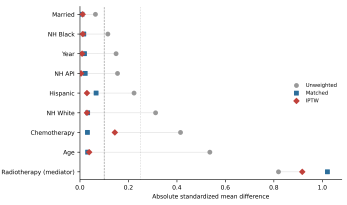
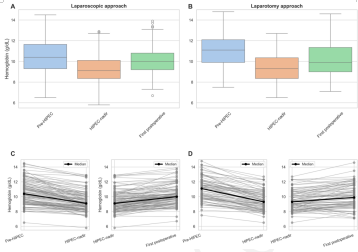
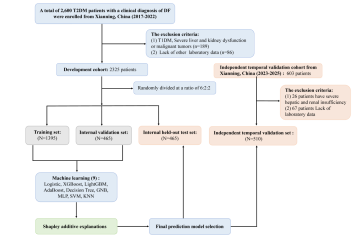
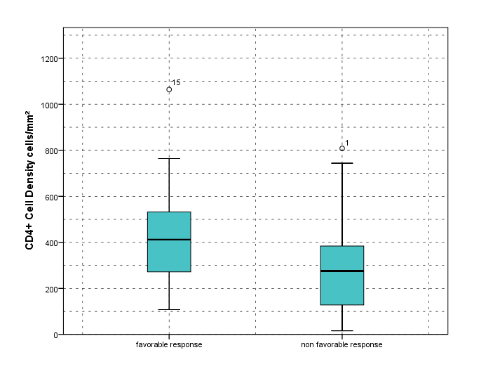
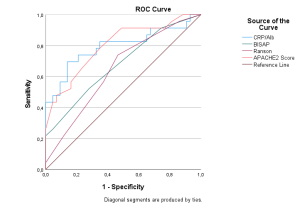
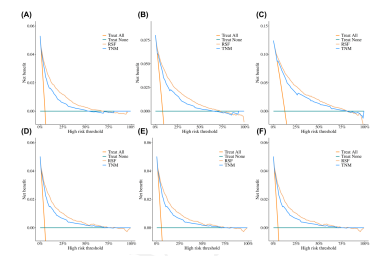
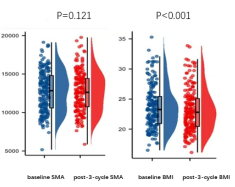
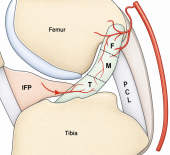
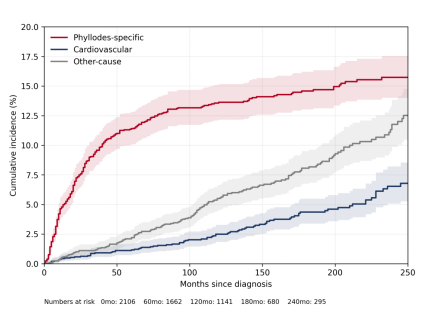
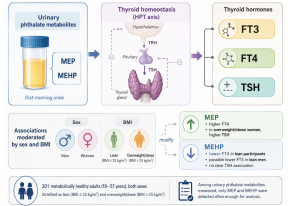
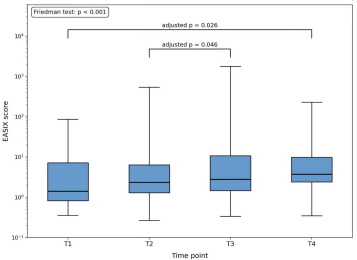
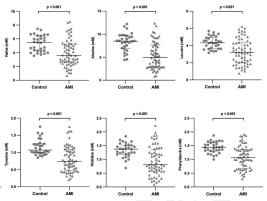
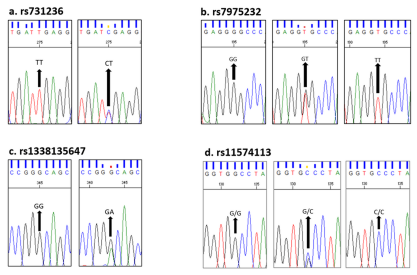
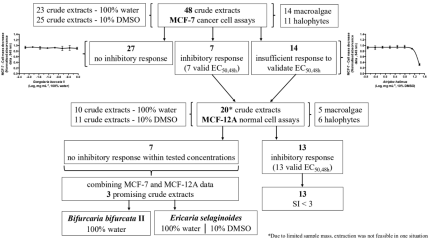
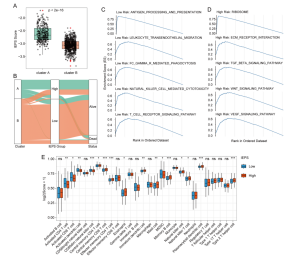
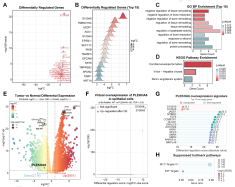
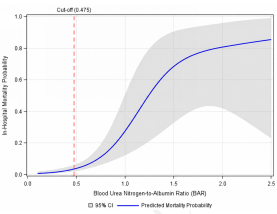
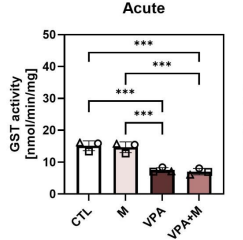
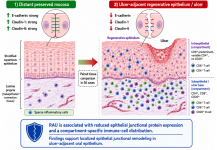
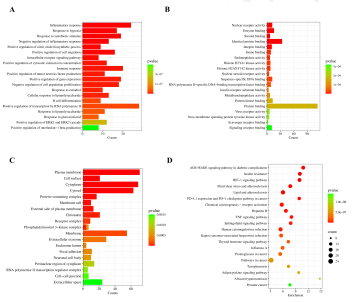
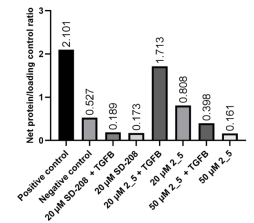
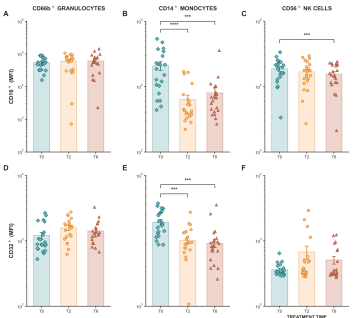
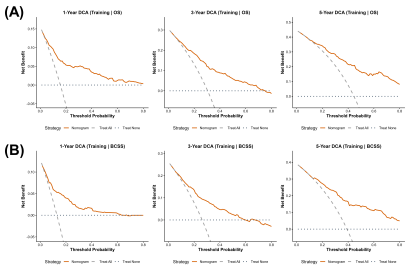
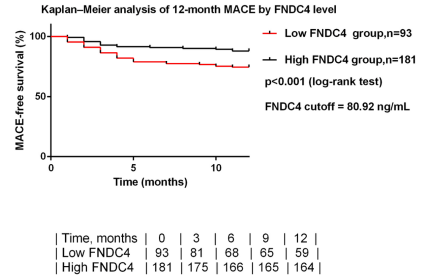
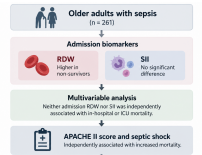
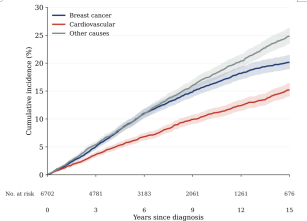
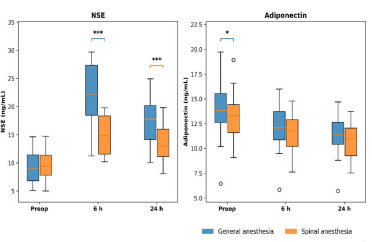
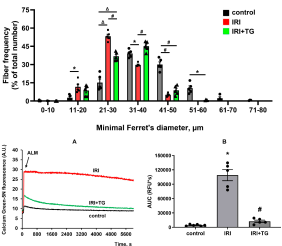
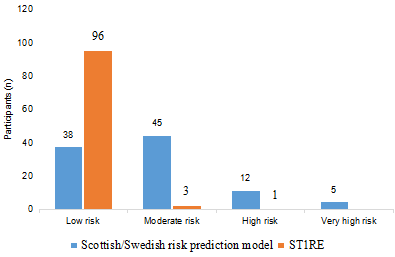
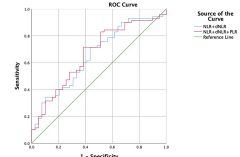
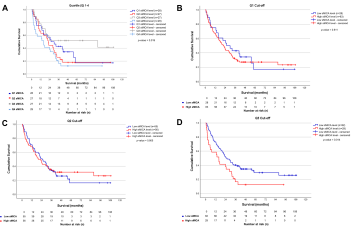
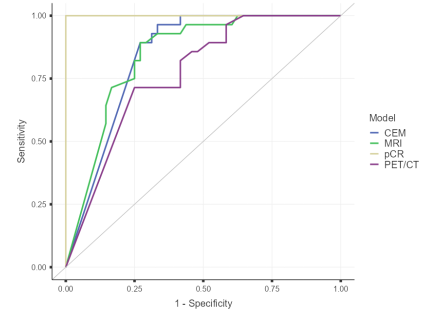
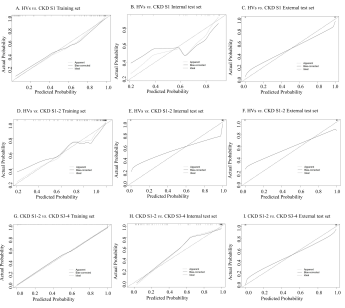
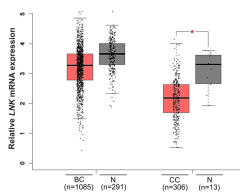
Short Communication
1 article-
Updated survival outcomes of SYHX2011 versus albumin-bound paclitaxel in advanced breast cancer: A randomized double-blind phase III trial
SYHX2011 is a novel albumin-bound paclitaxel formulation designed to simplify drug preparation and reduce skin rash by replacing most non-particulate human serum albumin with mannitol and sucrose. This exploratory analysis evaluated updated survival outcomes after extended follow-up of a multicenter, randomized, double-blind, phase III trial comparing SYHX2011 with approved albumin-bound paclitaxel (PAB; Keaili®) in patients with unresectable locally advanced or metastatic breast cancer. Overall, 459 patients were randomized 1:1 to receive SYHX2011 or PAB. At the December 29, 2025 data cutoff, median follow-up was 25.2 and 25.0 months, respectively. Median progression-free survival (PFS) was 7.6 months with SYHX2011 and 5.6 months with PAB (p=0.028; hazard ratio [HR]=0.79, 95% confidence interval [CI]: 0.63–1.01). Median overall survival (OS) was not reached with SYHX2011 and was 24.3 months with PAB (p=0.11; HR=0.84, 95% CI: 0.64–1.11). Descriptive trends toward longer PFS and OS with SYHX2011 were observed across hormone receptor-positive, triple-negative, first-line, and later-line subgroups. Although OS data remain immature and subgroup findings require cautious interpretation, the updated results support continued clinical evaluation of SYHX2011 as an albumin-bound paclitaxel option for advanced breast cancer.
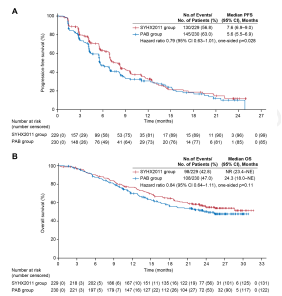
Comment
2 articles-
Letter regarding “Maternal smoking during pregnancy and risk of childhood-onset type 1 diabetes in offspring: A systematic review and meta-analysis”
This correspondence discusses the recent meta-analysis by Zhang et al. examining maternal smoking during pregnancy and the risk of childhood-onset type 1 diabetes in offspring. The reported inverse association aligns with findings from previous meta-analyses and family-based epidemiological studies. However, interpreting this association remains challenging because observational perinatal research is susceptible to residual confounding, selection effects, and collider bias. Maternal smoking is closely linked with socioeconomic and behavioral factors that may independently influence immune development and autoimmune susceptibility in offspring. Mechanistic evidence also remains inconsistent, as experimental and developmental studies have generally associated prenatal tobacco exposure with adverse immune and metabolic outcomes rather than sustained autoimmune protection. The correspondence further highlights the absence of a formal GRADE certainty assessment and emphasizes that statistical precision should not be interpreted as evidence of causality. Further studies utilizing biomarker-confirmed exposure assessment, Mendelian randomization, and other causal inference approaches are warranted.
-
Letter regarding “Survival outcomes and prognostic nomogram for primary pulmonary MALT lymphoma and diffuse large B-cell lymphoma: A SEER database study”
Primary pulmonary lymphoma (PPL) is a rare extranodal malignancy primarily characterized by mucosa-associated lymphoid tissue (MALT) lymphoma and diffuse large B-cell lymphoma (DLBCL). This commentary examines the population-based study conducted by Li et al., which evaluates survival outcomes between pulmonary MALT lymphoma and pulmonary DLBCL, while also proposing a prognostic nomogram for DLBCL. The study establishes that histological subtype is the primary determinant of prognosis, with MALT lymphoma demonstrating significantly better survival rates than DLBCL, even after adjusting for baseline and treatment factors. Furthermore, it underscores the limited prognostic utility of American Joint Committee on Cancer (AJCC) staging in pulmonary DLBCL, highlighting the necessity for biologically informed prognostic models that integrate molecular, immunological, and clinical variables. Despite the inherent limitations of registry-based research utilizing the Surveillance, Epidemiology, and End Results (SEER) database, this study provides crucial evidence supporting precise histological classification and enhanced risk stratification in PPL.