
Research progress on melatonin, 5-HT, and orexin in sleep disorders of children with autism spectrum disorder
Abstract
Sleep disorders are among the common comorbidities of autism spectrum disorder (ASD), which not only affect the daily life and learning ability of children but may also exacerbate other symptoms of ASD, seriously impacting the quality of life of children and their families. Given this, understanding the neurobiological mechanisms of sleep disorders in children with ASD has significant research value for developing effective intervention strategies. Melatonin, 5-hydroxytryptamine (5-HT), and orexin are key neurotransmitters that regulate the sleep–wake cycle. Through in-depth analysis of the biological functions and regulatory pathways of these neurotransmitters, new perspectives may be provided for personalized treatment of sleep disorders in children with ASD. This article reviews the research progress on melatonin, 5-HT, and orexin in sleep disorders among children with ASD, focusing on exploring the mechanisms of these key neurotransmitters in sleep disorders of children with ASD and how they affect the sleep–wake cycle, providing a theoretical basis for improving the sleep quality of children with ASD.
Keywords
Autism spectrum disorder sleep disorders melatonin 5-HT orexinFull text
Introduction
Autism spectrum disorder (ASD) is a group of neurodevelopmental disorders characterized by communication and social interaction difficulties, limited interests, and repetitive stereotyped behaviors [1]. As our understanding of ASD deepens, it has been found that children with ASD often have comorbidities across multiple systems, with sleep disorders being particularly common [2]. The clinical manifestations of sleep disorders in children with ASD are diverse, mainly including difficulty falling asleep, delayed sleep onset, light sleep, shortened sleep duration, daytime sleepiness, and insomnia [3]. Additionally, children with ASD may experience symptoms, such as difficulty breathing during sleep and sleep-related breathing pauses. Some studies also indicate that children with ASD may have sleep-related movement disorders, such as restless leg syndrome, periodic limb movements during sleep, periodic limb movement disorder, and rhythmic movement disorder [4, 5]. Restless leg syndrome can cause sleep onset issues, while periodic limb movements can lead to nighttime awakenings and excessive daytime sleepiness.
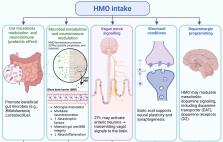
Reynolds et al. [6] conducted a questionnaire survey with 522 parents of children with ASD aged 2–5 years, finding that 48.5% of the children had at least one sleep problem. Sleep disorders may disrupt normal signal transduction in the hippocampus (as shown in Figure 1 below), thus affecting daily life and learning abilities. Sleep disorders may also exacerbate other ASD symptoms, seriously impacting the quality of life of affected children and their families. Therefore, it is particularly urgent to conduct in-depth research on sleep disorders in children with ASD and explore their potential biological mechanisms. The pathogenesis of sleep disorders in children with ASD is currently not fully understood, but it may be related to abnormal regulation of certain key neurotransmitters in the brain (as shown in Figure 2). Common neurotransmitters involved in sleep regulation include melatonin, 5-hydroxytryptamine (5-HT), orexin, histamine, prostaglandins, dopamine, and acetylcholine. Melatonin and orexin are neurotransmitters that directly regulate the sleep–wake cycle; 5-HT contributes to emotional stability and wakefulness during the day and can be converted into melatonin at night to regulate sleep [7–9]. These three neurotransmitters play a central role in sleep regulation, making their roles in sleep disorders in children with ASD particularly noteworthy. However, the expression and function of these neurotransmitters in children with ASD have not been fully elucidated, especially concerning the interactions and balance among these neurotransmitters in maintaining normal sleep patterns. Therefore, studying the mechanisms of melatonin, 5-HT, and orexin in sleep disorders in children with ASD may not only help us better understand the sleep problems of children with ASD but also provide a scientific basis for developing targeted interventions. Regulating the levels and functions of these key neurotransmitters could improve sleep quality in children with ASD, thereby enhancing their overall quality of life. This study aims to summarize the research progress on these neurotransmitters in sleep disorders in children with ASD through a literature review, analyze how they affect sleep patterns in children with ASD, and provide a scientific basis for the clinical treatment and intervention of sleep disorders in children with ASD.
The main mechanisms of sleep disorders in children with ASD
The pathogenesis of sleep disorders in children with ASD is currently unclear and may be related to various factors, including abnormal sleep regulation mechanisms, core symptoms, comorbidities, physical organic lesions, nutritional status, and medication.
Neuropathological mechanisms
Sleep disorders in children with ASD may be related to neuropathological mechanisms, particularly dysfunction of the hypothalamic–pituitary–adrenal axis that regulates circadian rhythms [10]. This dysfunction may lead to abnormal metabolic pathways of related neurotransmitters, especially the metabolic pathway of melatonin [11]. In children with ASD, the electroencephalogram (EEG) during rapid eye movement (REM) sleep exhibits abnormalities, such as spindle-shaped EEG waves and EEG activity unique to premature infants and infants aged 3–8 months, while lacking the slow-wave activity and REM burst activity observed in typical children during REM sleep [12]. These abnormalities indicate that children with ASD have issues with the composition and maturation of sleep brainwaves. Additionally, children with ASD may experience increased muscle activity during the REM phase, which may lead to periodic limb movement syndrome and REM sleep behavior disorders, further suggesting abnormalities in factors related to sleep–wake regulation [13]. These factors may include monoamine pathways, neurotransmitters, synapses, and abnormal development of nervous system components [14].
Beyond abnormalities in sleep–wake regulation, gene mutations related to circadian rhythms are also an important mechanism of sleep disorders in children with ASD [15]. Genes known to regulate human circadian rhythm include the PERIOD gene family (such as PER1 and PER2), TIMELESS, NPAS2, and Cryptochromes (such as CRY1 and CRY2). Some gene mutations may simultaneously affect the development of the nervous system and sleep, such as mutations in the NRXN1 and SHANK3 genes, which may influence sleep in children with ASD by affecting synaptic health in the central nervous system (CNS) and peripheral nervous system (PNS) [16, 17].
Core symptoms of ASD
The core symptoms of ASD mainly include social communication disorders and stereotyped, repetitive behaviors, interests, or activities. These symptoms affect the daily lives of affected children to varying degrees, including their sleep patterns. Firstly, social disorders may lead to difficulties in understanding social cues and routines in children with ASD, including sleep-related daily habits and nonverbal cues expected by parents [18]. For example, they may struggle to recognize or respond to signals from their parents indicating bedtime, such as dimming lights or reducing evening activities, making it difficult to transition smoothly to sleep.
Secondly, children with ASD often exhibit stereotyped and repetitive behaviors that may be out of sync with their internal physiological rhythms, leading to disruptions in the sleep–wake cycle [19]. They may have a strong dependence on certain daily activities or environmental factors, and changes to these factors may disrupt their sleep patterns. Additionally, children with ASD often show resistance to new experiences or changes, making it challenging to alter their sleep habits or adapt to new sleep environments [20]. They may have strict requirements for pre-bedtime routines, and any changes can lead to anxiety and sleep disturbances. Children with ASD may also experience difficulties in emotional regulation, which can result in heightened anxiety and excitement at night, making it hard to calm down and fall asleep [21]. They may need more time to relax and unwind from daytime activities, posing a barrier to sleep onset. Finally, communication barriers with parents may also affect the sleep of children with ASD. Due to challenges with language and nonverbal communication, they may struggle to express their feelings or needs, including issues related to sleep, making it difficult for parents to identify and address specific problems impacting their child’s sleep.
The role of melatonin in the sleep of children with ASD
Basic properties of melatonin
Melatonin is an endogenous neurohormone produced by the pineal gland in mammals, which regulates the sleep–wake cycle by providing photoperiod information to the body [22]. In mammals, melatonin biosynthesis mainly uses tryptophan as a substrate and involves four synthesis steps (as shown in Figure 3): The first step is the formation of 5-hydroxytryptophan (5-HTP) under the catalysis of tryptophan hydroxylase (TPH). In the second step, 5-HTP is catalyzed by L-aromatic amino acid decarboxylase (AAAD) to form serotonin. In the third step, serotonin is acetylated by serotonin N-acetyltransferase (SNAT) or arylalkylamine N-acetyltransferase (AANAT) to produce N-acetyl-5-hydroxytryptamine. Finally, N-acetylserotonin is methylated by N-acetyl-5-hydroxytryptamine-O-methyltransferase (ASMT) or hydroxyindole-O-methyltransferase (HIOMT) to synthesize melatonin [23]. Once synthesized, melatonin is rapidly released into the systemic circulation, reaching central and peripheral target tissues and exerting physiological functions [24]. While most tissues and organs in the body can secrete melatonin, only the pineal gland and retina exhibit circadian rhythms in melatonin synthesis. The circadian rhythm of melatonin is characterized by low levels during the day and high levels at night, peaking approximately 2 h before habitual sleep time, reaching a plateau during the night, and decreasing upon waking [25].
The mechanism of melatonin in regulating sleep in children with ASD
Current studies [26–28] have found that children with ASD exhibit abnormal patterns of melatonin secretion, such as delayed melatonin peaks, decreased amplitude, and reduced nighttime secretion, which may lead to circadian rhythm sleep–wake disorders (CRSWDs) in children with ASD. Studies [28, 29] have reported that mutations in genes encoding melatonin-metabolizing enzymes (ASMT, AANAT, and CYP1A2) and melatonin receptor genes (MTNR1A, MTNR1B, and GPR50) in children with ASD may be the cause of abnormal melatonin metabolism. Mechanistically, melatonin’s role in the sleep of children with ASD involves complex biochemical processes, including the regulation of signaling pathways and cytokines. Melatonin acts through its specific membrane and nuclear receptors, which are expressed in multiple brain regions, including the suprachiasmatic nucleus (SCN), where the main biological clock resides [30]. One of the main signaling pathways of melatonin is through its G protein-coupled receptors MT1 and MT2, which, when activated, can inhibit the production of cyclic adenosine monophosphate (cAMP), thereby affecting various intracellular signaling molecules, such as protein kinase A (PKA) and extracellular signal-regulated kinases (ERK) [31, 32]. Changes in these signaling molecules can regulate neuronal excitability and affect transitions in sleep–wake cycles. On a cytokine level, melatonin has anti-inflammatory effects and can reduce the expression of pro-inflammatory cytokines, such as tumor necrosis factor-alpha (TNF-α) and interleukin-6 (IL-6), both of which play important roles in sleep regulation [33, 34]. The anti-inflammatory effects of melatonin help maintain stable sleep structures and reduce sleep disorders.
Application of melatonin in the treatment of ASD sleep disorders
The treatment of ASD should primarily involve sleep hygiene and behavioral interventions. When these measures do not produce satisfactory results, pharmacotherapy may be considered. Commonly used medications include alpha agonists, antidepressants, and atypical antipsychotics. The sleep problems of children with ASD are often related to abnormal secretion and metabolism of melatonin, so exogenous melatonin supplementation therapy may be effective. So far, the best evidence for the use of melatonin in children is for insomnia caused by circadian rhythm sleep disorders, as it theoretically can shorten sleep onset latency and increase total sleep time [35, 36]. The International Pediatric Sleep Association (IPSA) recommends using sustained-release melatonin for children with ASD who struggle to maintain sleep, while short-acting melatonin is recommended for those who have trouble falling asleep [37]. Schroder et al. [38] found that exogenous melatonin supplementation not only improves sleep but also has a positive effect on externalized behavioral difficulties in children with ASD, significantly improving the quality of life for caregivers. Malow et al. [39] demonstrated that slow-release melatonin can improve the sleep of children with ASD without negatively impacting their growth and development.
The association between 5-HT and sleep disorders in children with ASD
Basic characteristics of 5-HT
5-HT is an important neurotransmitter and local hormone that plays diverse physiological roles in the human body. It is synthesized through the enzymatic reaction of tryptophan, first converted to 5-HTP and then further processed into 5-HT [40]. 5-HT is primarily involved in regulating emotions, sleep, appetite, and pain perception in the brain [41]. It functions by activating different receptor subtypes, which are widely distributed in the central and PNSs, including seven major families: 5-HT1 to 5-HT7 [42]. Signal transmission of 5-HT involves multiple intracellular pathways and can affect nerve transmission and cellular function. In terms of emotional regulation, changes in 5-HT levels are associated with various emotional disorders such as depression [43]. Popova et al. [44] noted in their research that depression, aggression, and suicidal behavior are associated with dysregulation of central 5-HT neurotransmission. In addition, 5-HT plays a central role in regulating the sleep cycle, particularly in promoting sleep and maintaining normal sleep structures [45]. Kang et al. [46] found that regulating the 5-HT pathway can improve fatigue in sleep-deprived mice. The synthesis and release of 5-HT are influenced by light and circadian rhythms, which in turn affect melatonin production and the sleep–wake cycle [47]. Therefore, 5-HT is not only crucial in the nervous system but is also indispensable in maintaining overall physiological balance.
Mechanisms of 5-HT in regulating sleep in children with ASD
In terms of sleep regulation, 5-HT acts as a neurotransmitter that promotes wakefulness and slow-wave sleep, and its abnormal secretion can directly lead to disturbances in the sleep–wake cycle [48]. Currently, abnormal 5-HT metabolism in children with ASD has been documented, including increased serum levels, decreased 5-HT transporters, and polymorphism of the SLC6A4 gene encoding 5-HT transporters [49–51]. In children with ASD, dysfunction of the 5-HT system is closely associated with the occurrence of sleep disorders. 5-HT affects sleep structure and cycle through its receptors. For example, activation of 5-HT2A receptors is associated with promoting wakefulness, while 5-HT1A receptors are associated with promoting sleep [52, 53]. In children with ASD, changes in the sensitivity or expression levels of 5-HT receptors may lead to an imbalance in sleep–wake cycle regulation. Additionally, 5-HT may indirectly affect sleep by influencing physiological processes, such as thermoregulation, gastric emptying, and intestinal motility. On a molecular level, 5-HT synthesis is catalyzed by TPH, and TPH activity is influenced by gene polymorphisms [54]. Specific TPH gene variations are linked to sleep disorders in children with ASD, potentially by altering the synthesis and availability of 5-HT. The level of 5-hydroxyindoleacetic acid (5-HIAA), a metabolite of 5-HT, in cerebrospinal fluid is also associated with sleep quality in children with ASD [55]. 5-HT also participates indirectly in sleep regulation by affecting other neurotransmitter systems, such as melatonin and dopamine. For example, 5-HT influences melatonin secretion, which is a key hormone in regulating the biological clock and sleep cycle. Interactions between 5-HT and dopamine are also involved in maintaining wakefulness and initiating sleep. In children with ASD, abnormalities in the 5-HT system may be linked to specific behavioral characteristics, such as repetitive behavior and social disorders, which can further affect sleep patterns. For example, repetitive behavior may decrease nighttime wakefulness and sleep efficiency.
Application of 5-HT in the treatment of sleep disorders in ASD
Research on the treatment of sleep disorders in children with ASD using 5-HT has shown some progress. Due to its central role in regulating emotions and sleep, the 5-HT system has become a potential target for treating ASD-related sleep problems. For instance, selective serotonin reuptake inhibitors (SSRIs) are a class of drugs that increase 5-HT concentration in the synaptic cleft [56]. In children with ASD, SSRIs may help alleviate emotional issues related to sleep disorders, such as anxiety and depression, thereby indirectly improving sleep quality [56]. Some atypical antidepressants, such as trazodone, have an antagonistic effect on 5-HT2A receptors and have been used to treat insomnia. These drugs may also have therapeutic potential for sleep disorders in children with ASD [57]. Additionally, regulating 5-HT through traditional Chinese medicine has been shown to effectively improve sleep quality [58]. It is important to note that when choosing 5-HT-related drugs for treatment in clinical practice, individualized evaluation of patients is necessary to minimize possible complications.
The effect of orexin on sleep disorders in children with ASD
Basic characteristics of orexin
Orexin, also known as hypothalamic secretin, is a group of neuropeptides produced in the hypothalamus that widely affect other areas of the brain. It includes two forms: orexin A and orexin B [59]. These neuropeptides exert their effects by binding to specific G protein-coupled receptors—orexin receptor 1 (OX1R) and orexin receptor 2 (OX2R)—whose distribution in the brain is closely related to physiological processes, such as the sleep–wake cycle, energy metabolism, feeding behavior, and stress response [60, 61]. The activity of orexins is mainly related to promoting wakefulness, reducing sleep, and enhancing feeding behavior [62]. In addition, the orexin system is involved in regulating emotions, cognitive function, and addictive behavior [63]. Abnormal activity of orexin neurons is directly related to various sleep disorders, especially hypersomnia [64]. Excessive secretion of orexins at night can lead to a heightened wakefulness system, making it difficult to transition smoothly to the sleep system, resulting in insomnia. If the activity of orexins at night can be inhibited or the binding between orexins and appetite hormone receptors blocked, it will inhibit the wakefulness-promoting effect of orexins, reduce awakening signals, increase drowsiness, and restore a normal sleep rhythm [65]. The discovery of orexins provides important clues for understanding the neurobiological mechanisms of sleep, wakefulness, and related diseases.
Mechanisms of orexin in regulating sleep in children with ASD
In children with ASD, this neuropeptide may affect sleep patterns through specific neural pathways and genetic mechanisms. Specifically, orexin enhances the activity of arousal-promoting neurotransmitters, such as dopamine and norepinephrine in the brain, while inhibiting sleep-promoting neurotransmitters, such as gamma-aminobutyric acid (GABA) and serotonin (5-HT), thus affecting the sleep–wake cycle [66]. Orexin may also influence the circadian rhythm of the sleep–wake cycle by affecting the circadian function of the SCN [67]. Additionally, the orexin signaling pathway may alter sleep patterns by influencing the expression of genes related to the sleep–wake cycle, such as Clock and Bmal1 [68]. Orexin receptor antagonists (ORAs) help restore a normal sleep rhythm by blocking the binding of orexin to its receptors, reducing arousal signals, increasing drowsiness, and promoting sleep [69]. Orexin may also impact sleep and wakefulness states by influencing pathways related to neural plasticity, such as the expression of brain-derived neurotrophic factor (BDNF) [70]. Therefore, the mechanism of the orexin signaling pathway in sleep disorders in children with ASD is a complex process involving multiple aspects, such as neurotransmitter system regulation, interactions between brain regions, influence on the biological clock, gene expression regulation, and stress response modulation.
Application of orexin in the treatment of ASD sleep disorders
In the past two decades, with the growing understanding of the orexin system’s role, particularly in regulating wakefulness, ORAs have shown significant potential as a new type of neurological or psychiatric drug for treating insomnia, making them a hot topic in drug research [71, 72]. Currently, three innovative ORA drugs—suvorexant, lemborexant, and daridorexant—have been approved by the U.S. FDA for treating adult patients with insomnia [73–75]. These three drugs are dual ORAs (DORAs) that can be taken orally. Although no ORA is currently available for treating sleep disorders in children with ASD, regulating orexin system activity may help improve sleep patterns in ASD patients by reducing excessive wakefulness or adjusting the sleep–wake cycle, as orexin mainly promotes wakefulness and inhibits sleep. Additionally, children with ASD often have other mental and neurodevelopmental disorders, such as anxiety, depression, or attention deficit hyperactivity disorder (ADHD). Appetite regulation may also positively impact these comorbid sleep problems.
The mechanism of sleep disorders in ASD children under the interaction of multiple neurotransmitters
In children with ASD, the formation of sleep disorders results from the interaction and combined regulation of multiple neurotransmitters on sleep–wake cycles. Changes in the concentration of a single neurotransmitter cannot fully explain the pathophysiological mechanisms of these sleep disorders. There are increasing experimental studies on the mutual influence of various neurotransmitters on sleep disorders, as well as on the roles and pathogenic mechanisms of neurotransmitters and transmission pathways in sleep disorders. The increased secretion of melatonin at night typically marks the beginning of sleep, while the 5-HT system affects mood and wakefulness during the day through its various receptor subtypes. Additionally, orexin, through the activation of its receptors OX1R and OX2R, not only directly promotes wakefulness but may also inhibit melatonin secretion, affecting the onset of sleep. In children with ASD, the balance between these neurotransmitters may be disrupted. For example, changes in 5-HT levels may impact the synthesis and secretion of melatonin, leading to disturbances in the sleep–wake cycle [76]. Meanwhile, orexins may influence melatonin secretion by inhibiting β-epinephrine, making it difficult for children with ASD to enter deep sleep at night [77, 78]. This imbalance may also relate to changes in the sensitivity or expression levels of 5-HT receptors, which may vary in ASD children due to genetic and environmental factors.
The interaction between orexin and 5-HT also involves regulation of the stress response, which is particularly significant in children with ASD, as they may be more sensitive to daily stress. An enhanced stress response may further affect the release of orexins by activating the 5-HT system, contributing to sleep disorders [79]. Furthermore, the interaction of these neurotransmitters may affect other brain areas related to sleep regulation, such as the SCN. As the main brain region regulating biological rhythms, the SCN may be jointly influenced by changes in melatonin, 5-HT, and orexin levels [80]. Therefore, the mechanism of sleep disorders in children with ASD likely involves the interaction of these neurotransmitters at multiple levels, including direct neural regulation, impact on biological rhythms, and regulation of stress responses. Understanding the specific mechanisms of these interactions is crucial for developing targeted treatments, which may help improve the sleep quality of children with ASD by regulating the balance between these neurotransmitters. Future research needs to explore the role of these neurotransmitters in sleep disorders in children with ASD and how to restore their normal function through medication, behavioral therapy, or other interventions.
Conclusion
In summary, the abnormal regulation of melatonin, 5-HT, and orexin—three key neurotransmitters—may be closely related to sleep disorders in children with ASD. Abnormal circadian secretion of melatonin may disrupt sleep–wake cycles. Dysfunction of the 5-HT system directly affects the regulation of emotions and sleep. Excessive secretion of orexin may hinder the smooth transition of the sleep system. Although there is a preliminary understanding of the mechanisms by which these neurotransmitters contribute to sleep disorders in children with ASD, the specific molecular mechanisms and signaling pathways are not yet fully elucidated. This is especially true regarding the interactions between these three key neurotransmitters and others, such as histamine, prostaglandins, dopamine, and acetylcholine, and their roles in sleep disorders in children with ASD. Future research should focus on the mechanisms of sleep disorders involving the interaction of multiple neurotransmitters and on ways to regulate these neurotransmitters through medication, behavioral therapy, or other interventions to restore normal sleep patterns. Additionally, developing personalized treatment strategies that consider the genetic and environmental differences among children with ASD will be key to improving treatment outcomes. As an emerging therapeutic approach, ORAs have shown potential in regulating the sleep–wake cycle, but their application in children with ASD requires further clinical research to validate their safety and efficacy. Ultimately, by comprehensively considering neurobiological, genetic, and environmental factors, we aim to provide more comprehensive and effective interventions for sleep disorders in children with ASD, thereby improving their quality of life.
References
- Hirota T, King BH. Autism spectrum disorder: a review. JAMA 2023;329(2):157–68. https://doi.org/10.1001/jama.2022.23661
- Johnson KP, Zarrinnegar P. Autism spectrum disorder and sleep. Child Adolesc Psychiatr Clin N Am 2021;30(1):195–208. https://doi.org/10.1016/j.chc.2020.08.012
- Petti T, Gupta M, Fradkin Y, Gupta N. Management of sleep disorders in autism spectrum disorder with co-occurring attention-deficit hyperactivity disorder: update for clinicians. BJPsych Open 2023;10(1):e11. https://doi.org/10.1192/bjo.2023.589
- Joels H, Benny A, Sharpe A, Postigo B, Joseph B, Piantino C, et al. Sleep related rhythmic movement disorder: phenotypic characteristics and treatment response in a paediatric cohort. Sleep Med 2023;112:21–9. https://doi.org/10.1016/j.sleep.2023.09.020
- DelRosso LM, Reuter-Yuill LM, Cho Y, Ferri R, Mogavero MP, Picchietti DL. Clinical efficacy and safety of intravenous ferric carboxymaltose treatment for restless legs symptoms and low serum ferritin in children with autism spectrum disorder. Sleep Med 2022;100:488–93. https://doi.org/10.1016/j.sleep.2022.09.021
- Reynolds AM, Soke GN, Sabourin KR, Hepburn S, Katz T, Wiggins LD, et al. Sleep problems in 2- to 5-year-olds with autism spectrum disorder and other developmental delays. Pediatrics 2019;143(3):e20180492. https://doi.org/10.1542/peds.2018-0492
- Wu ZY, Huang SD, Zou JJ, Wang QX, Naveed M, Bao HN, et al. Autism spectrum disorder (ASD): disturbance of the melatonin system and its implications. Biomed Pharmacother 2020;130:110496. https://doi.org/10.1016/j.biopha.2020.110496
- Carpita B, Stagnari R, Palego L, Baroni D, Massimetti G, Nardi B, et al. Circulating levels of 5-HT and BDNF in adults with autism spectrum conditions: an investigation in a sample of subjects with autism spectrum disorder, their first-degree relatives and controls. Curr Med Chem 2024;31(6):776–90. https://doi.org/10.2174/0929867330666230131115031
- Knez R, Stevanovic D, Fernell E, Gillberg C. Orexin/hypocretin system dysfunction in ESSENCE (early symptomatic syndromes eliciting neurodevelopmental clinical examinations). Neuropsychiatr Dis Treat 2022;18:2683–702. https://doi.org/10.2147/NDT.S358373
- Wang L, Wang B, Wu C, Wang J, Sun M. Autism spectrum disorder: neurodevelopmental risk factors, biological mechanism, and precision therapy. Int J Mol Sci 2023;24(3):1849. https://doi.org/10.3390/ijms24031819
- Jiang CC, Lin LS, Long S, Ke XY, Fukunaga K, Lu YM, et al. Signalling pathways in autism spectrum disorder: mechanisms and therapeutic implications. Signal Transduct Target Ther 2022;7(1):229. https://doi.org/10.1038/s41392-022-01081-0
- Kawahara M, Kagitani-Shimono K, Kato-Nishimura K, Ohki N, Tachibana M, Kato T, et al. A preliminary study of sleep spindles across non-rapid eye movement sleep stages in children with autism spectrum disorder. Sleep Adv 2022;3(1):zpac037. https://doi.org/10.1093/sleepadvances/zpac037
- Mylonas D, Machado S, Larson O, Patel R, Cox R, Vangel M, et al. Dyscoordination of non-rapid eye movement sleep oscillations in autism spectrum disorder. Sleep 2022;45(3):zsac010. https://doi.org/10.1093/sleep/zsac010
- Higazi AM, Kamel HM, Abdel-Naeem EA, Abdullah NM, Mahrous DM, Osman AM. Expression analysis of selected genes involved in tryptophan metabolic pathways in Egyptian children with autism spectrum disorder and learning disabilities. Sci Rep 2021;11(1):6931. https://doi.org/10.1038/s41598-021-86162-w
- Ji Q, Li SJ, Zhao JB, Xiong Y, Du XH, Wang CX, et al. Genetic and neural mechanisms of sleep disorders in children with autism spectrum disorder: a review. Front Psychiatry 2023;14:1079683. https://doi.org/10.3389/fpsyt.2023.1079683
- Cooper JN, Mittal J, Sangadi A, Klassen DL, King AM, Zalta M, et al. Landscape of NRXN1 gene variants in phenotypic manifestations of autism spectrum disorder: a systematic review. J Clin Med 2024;13(7):2067. https://doi.org/10.3390/jcm13072067
- Huang M, Qi Q, Xu T. Targeting Shank3 deficiency and paresthesia in autism spectrum disorder: a brief review. Front Mol Neurosci 2023;16:1128974. https://doi.org/10.3389/fnmol.2023.1128974
- Kodak T, Bergmann S. Autism spectrum disorder: characteristics, associated behaviors, and early intervention. Pediatr Clin North Am 2020;67(3):525–35. https://doi.org/10.1016/j.pcl.2020.02.007
- Genovese A, Butler MG. Clinical assessment, genetics, and treatment approaches in autism spectrum disorder (ASD). Int J Mol Sci 2020;21(13):4726. https://doi.org/10.3390/ijms21134726
- Hyman SL, Levy SE, Myers SM, Council on children with disabilities SOD, behavioral P. identification, evaluation, and management of children with autism spectrum disorder. Pediatrics 2020;145(1):e20193447. https://doi.org/10.1542/9781610024716-part01-ch002
- Thomas RP, Milan S, Naigles L, Robins DL, Barton ML, Adamson LB, et al. Symptoms of autism spectrum disorder and developmental delay in children with low mental age. Clin Neuropsychol 2022;36(5):1028–48. https://doi.org/10.1080/13854046.2021.1998634
- Poza JJ, Pujol M, Ortega-Albas JJ, Romero O, Insomnia study group of the Spanish sleep S. melatonin in sleep disorders. Neurologia (Engl Ed) 2022;37(7):575–85. https://doi.org/10.1016/j.nrleng.2018.08.004
- Hwang OJ, Back K. Functional characterization of arylalkylamine N-acetyltransferase, a pivotal gene in antioxidant melatonin biosynthesis from chlamydomonas reinhardtii. Antioxidants (Basel) 2022;11(8):1531. https://doi.org/10.3390/antiox11081531
- Fowler S, Hoedt EC, Talley NJ, Keely S, Burns GL. Circadian rhythms and melatonin metabolism in patients with disorders of gut-brain interactions. Front Neurosci 2022;16:825246. https://doi.org/10.3389/fnins.2022.825246
- Vasey C, McBride J, Penta K. Circadian rhythm dysregulation and restoration: the role of melatonin. Nutrients 2021;13(10):3480. https://doi.org/10.3390/nu13103480
- Babinska K, Siklenkova L, Stebelova K, Waczulikova I, Celusakova H, Vidosovicova M, et al. Urinary levels of 6-sulphatoxymelatonin and their associations with sleep disorders and behavioural impairments in children with autism spectrum disorder. Bratisl Lek Listy 2019;120(11):849–55. https://doi.org/10.4149/BLL_2019_141
- da Silveira Cruz-Machado S, Guissoni Campos LM, Fadini CC, Anderson G, Markus RP, Pinato L. Disrupted nocturnal melatonin in autism: association with tumor necrosis factor and sleep disturbances. J Pineal Res 2021;70(3):e12715. https://doi.org/10.1111/jpi.12715
- Carmassi C, Palagini L, Caruso D, Masci I, Nobili L, Vita A, et al. Systematic review of sleep disturbances and circadian sleep desynchronization in autism spectrum disorder: toward an integrative model of a self-reinforcing loop. Front Psychiatry 2019;10:366. https://doi.org/10.3389/fpsyt.2019.00366
- Mokkawes T, de Visser SP. Melatonin activation by cytochrome P450 isozymes: how does CYP1A2 compare to CYP1A1?. Int J Mol Sci 2023;24(4):3651. https://doi.org/10.3390/ijms24043651
- Verma AK, Khan MI, Ashfaq F, Rizvi SI. Crosstalk between aging, circadian rhythm, and melatonin. Rejuvenation Res 2023;26(6):229–41. https://doi.org/10.1089/rej.2023.0047
- Costanzi E, Simioni C, Conti I, Laface I, Varano G, Brenna C, et al. Two neuroendocrine G protein-coupled receptor molecules, somatostatin and melatonin: physiology of signal transduction and therapeutic perspectives. J Cell Physiol 2021;236(4):2505–18. https://doi.org/10.1002/jcp.30062
- Xie LL, Li SS, Fan YJ, Qi MM, Li ZZ. Melatonin alleviates traumatic brain injury-induced anxiety-like behaviors in rats: roles of the protein kinase A/cAMP-response element binding signaling pathway. Exp Ther Med 2022;23(4):248. https://doi.org/10.3892/etm.2022.11173
- Qiu X, Liang T, Wu Z, Zhu Y, Gao W, Gao B, et al. Melatonin reverses tumor necrosis factor-alpha-induced metabolic disturbance of human nucleus pulposus cells via MTNR1B/Galphai2/YAP signaling. Int J Biol Sci 2022;18(5):2202–19. https://doi.org/10.7150/ijbs.65973
- Kurowska A, Bodys-Cupak I, Staszkiewicz M, Szklarczyk J, Zalewska-Puchala J, Klis-Kalinowska A, et al. Interleukin-6 and melatonin as predictors of cognitive, emotional and functional ageing of older people. Int J Environ Res Public Health 2020;17(10):3623. https://doi.org/10.3390/ijerph17103623
- Sadeh H, Meiri G, Zigdon D, Ilan M, Faroy M, Michaelovski A, et al. Adherence to treatment and parents’ perspective about effectiveness of melatonin in children with autism spectrum disorder and sleep disturbances. Child Adolesc Psychiatry Ment Health 2023;17(1):123. https://doi.org/10.1186/s13034-023-00669-w
- Salanitro M, Wrigley T, Ghabra H, de Haan E, Hill CM, Solmi M, et al. Efficacy on sleep parameters and tolerability of melatonin in individuals with sleep or mental disorders: a systematic review and meta-analysis. Neurosci Biobehav Rev 2022;139:104723. https://doi.org/10.1016/j.neubiorev.2022.104723
- Kotagal S, Malow B, Spruyt K, Wang G, Bolanos Almeida CE, Tavera Saldana LM, et al. Melatonin use in managing insomnia in children with autism and other neurogenetic disorders—an assessment by the international pediatric sleep association (IPSA). Sleep Med 2024;119:222–8. https://doi.org/10.1016/j.sleep.2024.04.008
- Schroder CM, Malow BA, Maras A, Melmed RD, Findling RL, Breddy J, et al. Pediatric prolonged-release melatonin for sleep in children with autism spectrum disorder: impact on child behavior and caregiver’s quality of life. J Autism Dev Disord 2019;49(8):3218–30. https://doi.org/10.1007/s10803-019-04046-5
- Malow BA, Findling RL, Schroder CM, Maras A, Breddy J, Nir T, et al. Sleep, growth, and puberty after 2 years of prolonged-release melatonin in children with autism spectrum disorder. J Am Acad Child Adolesc Psychiatry 2021;60(2):252–61.e3. https://doi.org/10.1016/j.jaac.2019.12.007
- Zhao H, Chen S, Hu K, Zhang Z, Yan X, Gao H, et al. 5-HTP decreases goat mammary epithelial cells apoptosis through MAPK/ERK/Bcl-3 pathway. Gene 2021;769:145240. https://doi.org/10.1016/j.gene.2020.145240
- Bilc MI, Iacob A, Szekely-Copindean RD, Kiss B, Stefan MG, Muresan RC, et al. Serotonin and emotion regulation: the impact of tryptophan depletion on emotional experience, neural and autonomic activity. Cogn Affect Behav Neurosci 2023;23(5):1414–27. https://doi.org/10.3758/s13415-023-01116-1
- Singh D, Singh P, Srivastava P, Kakkar D, Pathak M, Tiwari AK. Development and challenges in the discovery of 5-HT(1A) and 5-HT(7) receptor ligands. Bioorg Chem 2023;131:106254. https://doi.org/10.1016/j.bioorg.2022.106254
- Borroto-Escuela DO, Ambrogini P, Chruscicka B, Lindskog M, Crespo-Ramirez M, Hernandez-Mondragon JC, et al. The role of central serotonin neurons and 5-HT heteroreceptor complexes in the pathophysiology of depression: a historical perspective and future prospects. Int J Mol Sci 2021;22(4):1927. https://doi.org/10.3390/ijms22041927
- Popova NK, Tsybko AS, Naumenko VS. The implication of 5-HT receptor family members in aggression, depression and suicide: similarity and difference. Int J Mol Sci 2022;23(15):8814. https://doi.org/10.3390/ijms23158814
- Hasegawa E, Li Y, Sakurai T. Regulation of REM sleep in mice: the role of dopamine and serotonin function in the basolateral amygdala. Neurosci Res 2024;200:28–33. https://doi.org/10.1016/j.neures.2023.09.003
- Kang JY, Kim DY, Lee JS, Hwang SJ, Kim GH, Hyun SH, et al. Korean red ginseng ameliorates fatigue via modulation of 5-HT and corticosterone in a sleep-deprived mouse model. Nutrients 2021;13(9):3121. https://doi.org/10.3390/nu13093121
- Liu B, Chu S, Liu T, Song J, Ma Z, Gu X, et al. Effects of 5-HT7 receptors on circadian rhythm of mice anesthetized with isoflurane. Chronobiol Int 2021;38(1):38–45. https://doi.org/10.1080/07420528.2020.1832111
- Maierean AD, Bordea IR, Salagean T, Hanna R, Alexescu TG, Chis A, et al. Polymorphism of the serotonin transporter gene and the peripheral 5-hydroxytryptamine in obstructive sleep apnea: what do we know and what are we looking for? a systematic review of the literature. Nat Sci Sleep 2021;13:125–39. https://doi.org/10.2147/NSS.S278170
- Ballester P, Richdale AL, Baker EK, Peiro AM. Sleep in autism: a biomolecular approach to aetiology and treatment. Sleep Med Rev 2020;54:101357. https://doi.org/10.1016/j.smrv.2020.101357
- Hua X, Zhu J, Yang T, Guo M, Li Q, Chen J, et al. The gut microbiota and associated metabolites are altered in sleep disorder of children with autism spectrum disorders. Front Psychiatry 2020;11:855. https://doi.org/10.3389/fpsyt.2020.00855
- Wongpaiboonwattana W, Plong-On O, Hnoonual A, Limprasert P. Significant associations between 5-hydroxytryptaminetransporter-linked promoter region polymorphisms of the serotonin transporter (solute carrier family 6 member 4) gene and Thai patients with autism spectrum disorder. Medicine (Baltimore) 2020;99(36):e21946. https://doi.org/10.1097/MD.0000000000021946
- Wang J, Gao X, Gao P, Liu J. A cross-sectional study on the relationship among cytokines, 5-HT2A receptor polymorphisms, and sleep quality of non-manual workers in Xinjiang, China. Front Psychiatry 2022;13:777566. https://doi.org/10.3389/fpsyt.2022.777566
- Moderie C, King JD, Nunez N, Comai S, Gobbi G. Sleep quality after quetiapine augmentation in patients with treatment-resistant depression and personality disorders. J Clin Psychopharmacol 2023;43(6):498–506. https://doi.org/10.1097/JCP.0000000000001768
- Maffei ME. 5-hydroxytryptophan (5-HTP): natural occurrence, analysis, biosynthesis, biotechnology, physiology and toxicology. Int J Mol Sci 2020;22(1):181. https://doi.org/10.3390/ijms22010181
- Barateau L, Jaussent I, Roeser J, Ciardiello C, Kilduff TS, Dauvilliers Y. Cerebrospinal fluid monoamine levels in central disorders of hypersomnolence. Sleep 2021;44(7):zsab012. https://doi.org/10.1093/sleep/zsab012
- Robillard R, Saad M, Ray LB, BuJaki B, Douglass A, Lee EK, et al. Selective serotonin reuptake inhibitor use is associated with worse sleep-related breathing disturbances in individuals with depressive disorders and sleep complaints: a retrospective study. J Clin Sleep Med 2021;17(3):505–13. https://doi.org/10.5664/jcsm.8942
- Wichniak A, Wierzbicka AE, Jarema M. Treatment of insomnia—effect of trazodone and hypnotics on sleep. Psychiatr Pol 2021;55(4):743–55. https://doi.org/10.12740/PP/125650
- Wang H, Gu Y, Khalid R, Chen X, Han T. Herbal medicines for insomnia through regulating 5-hydroxytryptamine receptors: a systematic review. Chin J Nat Med 2023;21(7):483–98. https://doi.org/10.1016/S1875-5364(23)60405-4
- Sato T, Yajima T, Fujita M, Kobashi M, Ichikawa H, Yoshida R, et al. Orexin A and B in the rat superior salivatory nucleus. Auton Neurosci 2020;228:102712. https://doi.org/10.1016/j.autneu.2020.102712
- Dauvilliers Y, Mignot E, Del Rio Villegas R, Du Y, Hanson E, Inoue Y, et al. Oral orexin receptor 2 agonist in narcolepsy type 1. N Engl J Med 2023;389(4):309–21. https://doi.org/10.1056/NEJMoa2301940
- Han Y, Yuan K, Zheng Y, Lu L. Orexin receptor antagonists as emerging treatments for psychiatric disorders. Neurosci Bull 2020;36(4):432–48. https://doi.org/10.1007/s12264-019-00447-9
- Hwang YT, Piguet O, Hodges JR, Grunstein R, Burrell JR. Sleep and orexin: a new paradigm for understanding behavioural-variant frontotemporal dementia?. Sleep Med Rev 2020;54:101361. https://doi.org/10.1016/j.smrv.2020.101361
- Shimizu S, Takenoshita N, Inagawa Y, Tsugawa A, Hirose D, Kaneko Y, et al. Positive association between cognitive function and cerebrospinal fluid orexin a levels in Alzheimer’s disease. J Alzheimers Dis 2020;73(1):117–23. https://doi.org/10.3233/JAD-190958
- Xia L, Liu HY, Wang BY, Lin HN, Wang MC, Ren JX. A review of physiological functions of orexin: from instinctive responses to subjective cognition. Medicine (Baltimore) 2023;102(26):e34206. https://doi.org/10.1097/MD.0000000000034206
- Toor B, Ray LB, Pozzobon A, Fogel SM. Sleep, orexin and cognition. Front Neurol Neurosci 2021;45:38–51. https://doi.org/10.1159/000514960
- Muehlan C, Roch C, Vaillant C, Dingemanse J. The orexin story and orexin receptor antagonists for the treatment of insomnia. J Sleep Res 2023;32(6):e13902. https://doi.org/10.1111/jsr.13902
- Haddad M, Khazali H, Janahmadi M, Ghanbarian H. The differential effects of blocking retinal orexin receptors on the expression of retinal c-fos and hypothalamic Vip, PACAP, Bmal1, and c-fos in male Wistar Rats. Exp Eye Res 2024;244:109943. https://doi.org/10.1016/j.exer.2024.109943
- Goldbeter A, Leloup JC. From circadian clock mechanism to sleep disorders and jet lag: Insights from a computational approach. Biochem Pharmacol 2021;191:114482. https://doi.org/10.1016/j.bcp.2021.114482
- Sheibani M, Shayan M, Khalilzadeh M, Ghasemi M, Dehpour AR. Orexin receptor antagonists in the pathophysiology and treatment of sleep disorders and epilepsy. Neuropeptides 2023;99:102335. https://doi.org/10.1016/j.npep.2023.102335
- Ren J, Chen Y, Fang X, Wang D, Wang Y, Yu L, et al. Correlation of Orexin-a and brain-derived neurotrophic factor levels in metabolic syndrome and cognitive impairment in schizophrenia treated with clozapine. Neurosci Lett 2022;782:136695. https://doi.org/10.1016/j.neulet.2022.136695
- Wu X, Xue T, Chen Z, Wang Z, Chen G. Orexin receptor antagonists and insomnia. Curr Psychiatry Rep 2022;24(10):509–21. https://doi.org/10.1007/s11920-022-01357-w
- Muehlan C, Vaillant C, Zenklusen I, Kraehenbuehl S, Dingemanse J. Clinical pharmacology, efficacy, and safety of orexin receptor antagonists for the treatment of insomnia disorders. Expert Opin Drug Metab Toxicol 2020;16(11):1063–78. https://doi.org/10.1080/17425255.2020.1817380
- Yang LP. Suvorexant: first global approval. Drugs 2014;74(15):1817–22. https://doi.org/10.1007/s40265-014-0294-5
- Scott LJ. Lemborexant: first approval. Drugs 2020;80(4):425–32. https://doi.org/10.1007/s40265-020-01276-1
- Markham A. Daridorexant: first approval. Drugs 2022;82(5):601–7. https://doi.org/10.1007/s40265-022-01699-y
- Millan MJ. Agomelatine for the treatment of generalized anxiety disorder: focus on its distinctive mechanism of action. Ther Adv Psychopharmacol 2022;12:20451253221105128. https://doi.org/10.1177/20451253221105128
- Bruni O, Angriman M, Melegari MG, Ferri R. Pharmacotherapeutic management of sleep disorders in children with neurodevelopmental disorders. Expert Opin Pharmacother 2019;20(18):2257–71. https://doi.org/10.1080/14656566.2019.1674283
- Mikkelsen JD, Hauser F, deLecea L, Sutcliffe JG, Kilduff TS, Calgari C, et al. Hypocretin (orexin) in the rat pineal gland: a central transmitter with effects on noradrenaline-induced release of melatonin. Eur J Neurosci 2001;14(3):419–25. https://doi.org/10.1046/j.0953-816x.2001.01655.x
- Singh R, Biswas DA. Physiological role of orexin/hypocretin in the human body in motivated behavior: a comprehensive review. Cureus 2023;15(1):e34009. https://doi.org/10.7759/cureus.34009
- Miranda-Riestra A, Estrada-Reyes R, Torres-Sanchez ED, Carreno-Garcia S, Ortiz GG, Benitez-King G. Melatonin: a neurotrophic factor?. Molecules 2022;27(22):7742. https://doi.org/10.3390/molecules27227742
About this article
Correspondence
*Correspondence to Wenjun Ding: [email protected]
Notes
Wenjun Ding and Yiran Xu equally contributed.
Article history
Received: 2024-08-23 · Rev-recd: 2024-11-08 · Accepted: 2024-10-29
Conflicts of interest
Conflicts of interest: The authors declare no conflicts of interest.
Funding
Funding: Henan Medical Science and Technology Public Relations Plan (Joint Construction) Project Grant Number: LHGJ20190338.
Copyright
© 2025 Ding et al.
Downloads
References
Hirota T, King BH. Autism spectrum disorder: a review. JAMA. 2023;329(2):157-68. doi:10.1001/jama.2022.23661 DOI: https://doi.org/10.1001/jama.2022.23661
Johnson KP, Zarrinnegar P. Autism spectrum disorder and sleep. Child Adolesc Psychiatr Clin N Am. 2021;30(1):195-208. doi:10.1016/j.chc.2020.08.012 DOI: https://doi.org/10.1016/j.chc.2020.08.012
Petti T, Gupta M, Fradkin Y, Gupta N. Management of sleep disorders in autism spectrum disorder with co-occurring attention-deficit hyperactivity disorder: update for clinicians. BJPsych Open. 2023;10(1):e11. doi:10.1192/bjo.2023.589 DOI: https://doi.org/10.1192/bjo.2023.589
Joels H, Benny A, Sharpe A, Postigo B, Joseph B, Piantino C, et al. Sleep related rhythmic movement disorder: phenotypic characteristics and treatment response in a paediatric cohort. Sleep Med. 2023;112:21-9. doi:10.1016/j.sleep.2023.09.020 DOI: https://doi.org/10.1016/j.sleep.2023.09.020
DelRosso LM, Reuter-Yuill LM, Cho Y, Ferri R, Mogavero MP, Picchietti DL. Clinical efficacy and safety of intravenous ferric carboxymaltose treatment for restless legs symptoms and low serum ferritin in children with autism spectrum disorder. Sleep Med. 2022;100:488-93. doi:10.1016/j.sleep.2022.09.021 DOI: https://doi.org/10.1016/j.sleep.2022.09.021
Reynolds AM, Soke GN, Sabourin KR, Hepburn S, Katz T, Wiggins LD, et al. Sleep problems in 2- to 5-year-olds with autism spectrum disorder and other developmental delays. Pediatrics. 2019;143(3):e20180492. doi:10.1542/peds.2018-0492 DOI: https://doi.org/10.1542/peds.2018-0492
Wu ZY, Huang SD, Zou JJ, Wang QX, Naveed M, Bao HN, et al. Autism spectrum disorder (ASD): disturbance of the melatonin system and its implications. Biomed Pharmacother. 2020;130:110496. doi:10.1016/j.biopha.2020.110496 DOI: https://doi.org/10.1016/j.biopha.2020.110496
Carpita B, Stagnari R, Palego L, Baroni D, Massimetti G, Nardi B, et al. Circulating levels of 5-HT and BDNF in adults with autism spectrum conditions: an investigation in a sample of subjects with autism spectrum disorder, their first-degree relatives and controls. Curr Med Chem. 2024;31(6):776-90. doi:10.2174/0929867330666230131115031 DOI: https://doi.org/10.2174/0929867330666230131115031
Knez R, Stevanovic D, Fernell E, Gillberg C. Orexin/hypocretin system dysfunction in ESSENCE (early symptomatic syndromes eliciting neurodevelopmental clinical examinations). Neuropsychiatr Dis Treat. 2022;18:2683-702. doi:10.2147/NDT.S358373 DOI: https://doi.org/10.2147/NDT.S358373
Wang L, Wang B, Wu C, Wang J, Sun M. Autism spectrum disorder: neurodevelopmental risk factors, biological mechanism, and precision therapy. Int J Mol Sci. 2023;24(3):1849. doi:10.3390/ijms24031819 DOI: https://doi.org/10.3390/ijms24031819
Jiang CC, Lin LS, Long S, Ke XY, Fukunaga K, Lu YM, et al. Signalling pathways in autism spectrum disorder: mechanisms and therapeutic implications. Signal Transduct Target Ther. 2022;7(1):229. doi:10.1038/s41392-022-01081-0 DOI: https://doi.org/10.1038/s41392-022-01081-0
Kawahara M, Kagitani-Shimono K, Kato-Nishimura K, Ohki N, Tachibana M, Kato T, et al. A preliminary study of sleep spindles across non-rapid eye movement sleep stages in children with autism spectrum disorder. Sleep Adv. 2022;3(1):zpac037. doi:10.1093/sleepadvances/zpac037 DOI: https://doi.org/10.1093/sleepadvances/zpac037
Mylonas D, Machado S, Larson O, Patel R, Cox R, Vangel M, et al. Dyscoordination of non-rapid eye movement sleep oscillations in autism spectrum disorder. Sleep. 2022;45(3):zsac010. doi:10.1093/sleep/zsac010 DOI: https://doi.org/10.1093/sleep/zsac010
Higazi AM, Kamel HM, Abdel-Naeem EA, Abdullah NM, Mahrous DM, Osman AM. Expression analysis of selected genes involved in tryptophan metabolic pathways in Egyptian children with autism spectrum disorder and learning disabilities. Sci Rep. 2021;11(1):6931. doi:10.1038/s41598-021-86162-w DOI: https://doi.org/10.1038/s41598-021-86162-w
Ji Q, Li SJ, Zhao JB, Xiong Y, Du XH, Wang CX, et al. Genetic and neural mechanisms of sleep disorders in children with autism spectrum disorder: a review. Front Psychiatry. 2023;14:1079683. doi:10.3389/fpsyt.2023.1079683 DOI: https://doi.org/10.3389/fpsyt.2023.1079683
Cooper JN, Mittal J, Sangadi A, Klassen DL, King AM, Zalta M, et al. Landscape of NRXN1 gene variants in phenotypic manifestations of autism spectrum disorder: a systematic review. J Clin Med. 2024;13(7):2067. doi:10.3390/jcm13072067 DOI: https://doi.org/10.3390/jcm13072067
Huang M, Qi Q, Xu T. Targeting Shank3 deficiency and paresthesia in autism spectrum disorder: a brief review. Front Mol Neurosci. 2023;16:1128974. doi:10.3389/fnmol.2023.1128974 DOI: https://doi.org/10.3389/fnmol.2023.1128974
Kodak T, Bergmann S. Autism spectrum disorder: characteristics, associated behaviors, and early intervention. Pediatr Clin North Am. 2020;67(3):525-35. doi:10.1016/j.pcl.2020.02.007 DOI: https://doi.org/10.1016/j.pcl.2020.02.007
Genovese A, Butler MG. Clinical assessment, genetics, and treatment approaches in autism spectrum disorder (ASD). Int J Mol Sci. 2020;21(13):4726. doi:10.3390/ijms21134726 DOI: https://doi.org/10.3390/ijms21134726
Hyman SL, Levy SE, Myers SM, Council on children with disabilities SOD, behavioral P. identification, evaluation, and management of children with autism spectrum disorder. Pediatrics. 2020;145(1):e20193447. doi:10.1542/9781610024716-part01-ch002 DOI: https://doi.org/10.1542/9781610024716-part01-ch002
Thomas RP, Milan S, Naigles L, Robins DL, Barton ML, Adamson LB, et al. Symptoms of autism spectrum disorder and developmental delay in children with low mental age. Clin Neuropsychol. 2022;36(5):1028-48. doi:10.1080/13854046.2021.1998634 DOI: https://doi.org/10.1080/13854046.2021.1998634
Poza JJ, Pujol M, Ortega-Albas JJ, Romero O, Insomnia study group of the Spanish sleep S. melatonin in sleep disorders. Neurologia (Engl Ed). 2022;37(7):575-85. doi:10.1016/j.nrleng.2018.08.004 DOI: https://doi.org/10.1016/j.nrleng.2018.08.004
Hwang OJ, Back K. Functional characterization of arylalkylamine N-acetyltransferase, a pivotal gene in antioxidant melatonin biosynthesis from chlamydomonas reinhardtii. Antioxidants (Basel). 2022;11(8):1531. doi:10.3390/antiox11081531 DOI: https://doi.org/10.3390/antiox11081531
Fowler S, Hoedt EC, Talley NJ, Keely S, Burns GL. Circadian rhythms and melatonin metabolism in patients with disorders of gut-brain interactions. Front Neurosci. 2022;16:825246. doi:10.3389/fnins.2022.825246 DOI: https://doi.org/10.3389/fnins.2022.825246
Vasey C, McBride J, Penta K. Circadian rhythm dysregulation and restoration: the role of melatonin. Nutrients. 2021;13(10):3480. doi:10.3390/nu13103480 DOI: https://doi.org/10.3390/nu13103480
Babinska K, Siklenkova L, Stebelova K, Waczulikova I, Celusakova H, Vidosovicova M, et al. Urinary levels of 6-sulphatoxymelatonin and their associations with sleep disorders and behavioural impairments in children with autism spectrum disorder. Bratisl Lek Listy. 2019;120(11):849-55. doi:10.4149/BLL_2019_141 DOI: https://doi.org/10.4149/BLL_2019_141
da Silveira Cruz-Machado S, Guissoni Campos LM, Fadini CC, Anderson G, Markus RP, Pinato L. Disrupted nocturnal melatonin in autism: association with tumor necrosis factor and sleep disturbances. J Pineal Res. 2021;70(3):e12715. doi:10.1111/jpi.12715 DOI: https://doi.org/10.1111/jpi.12715
Carmassi C, Palagini L, Caruso D, Masci I, Nobili L, Vita A, et al. Systematic review of sleep disturbances and circadian sleep desynchronization in autism spectrum disorder: toward an integrative model of a self-reinforcing loop. Front Psychiatry. 2019;10:366. doi:10.3389/fpsyt.2019.00366 DOI: https://doi.org/10.3389/fpsyt.2019.00366
Mokkawes T, de Visser SP. Melatonin activation by cytochrome P450 isozymes: how does CYP1A2 compare to CYP1A1?. Int J Mol Sci. 2023;24(4):3651. doi:10.3390/ijms24043651 DOI: https://doi.org/10.3390/ijms24043651
Verma AK, Khan MI, Ashfaq F, Rizvi SI. Crosstalk between aging, circadian rhythm, and melatonin. Rejuvenation Res. 2023;26(6):229-41. doi:10.1089/rej.2023.0047 DOI: https://doi.org/10.1089/rej.2023.0047
Costanzi E, Simioni C, Conti I, Laface I, Varano G, Brenna C, et al. Two neuroendocrine G protein-coupled receptor molecules, somatostatin and melatonin: physiology of signal transduction and therapeutic perspectives. J Cell Physiol. 2021;236(4):2505-18. doi:10.1002/jcp.30062 DOI: https://doi.org/10.1002/jcp.30062
Xie LL, Li SS, Fan YJ, Qi MM, Li ZZ. Melatonin alleviates traumatic brain injury-induced anxiety-like behaviors in rats: roles of the protein kinase A/cAMP-response element binding signaling pathway. Exp Ther Med. 2022;23(4):248. doi:10.3892/etm.2022.11173 DOI: https://doi.org/10.3892/etm.2022.11173
Qiu X, Liang T, Wu Z, Zhu Y, Gao W, Gao B, et al. Melatonin reverses tumor necrosis factor-alpha-induced metabolic disturbance of human nucleus pulposus cells via MTNR1B/Galphai2/YAP signaling. Int J Biol Sci. 2022;18(5):2202-19. doi:10.7150/ijbs.65973 DOI: https://doi.org/10.7150/ijbs.65973
Kurowska A, Bodys-Cupak I, Staszkiewicz M, Szklarczyk J, Zalewska-Puchala J, Klis-Kalinowska A, et al. Interleukin-6 and melatonin as predictors of cognitive, emotional and functional ageing of older people. Int J Environ Res Public Health. 2020;17(10):3623. doi:10.3390/ijerph17103623 DOI: https://doi.org/10.3390/ijerph17103623
Sadeh H, Meiri G, Zigdon D, Ilan M, Faroy M, Michaelovski A, et al. Adherence to treatment and parents’ perspective about effectiveness of melatonin in children with autism spectrum disorder and sleep disturbances. Child Adolesc Psychiatry Ment Health. 2023;17(1):123. doi:10.1186/s13034-023-00669-w DOI: https://doi.org/10.1186/s13034-023-00669-w
Salanitro M, Wrigley T, Ghabra H, de Haan E, Hill CM, Solmi M, et al. Efficacy on sleep parameters and tolerability of melatonin in individuals with sleep or mental disorders: a systematic review and meta-analysis. Neurosci Biobehav Rev. 2022;139:104723. doi:10.1016/j.neubiorev.2022.104723 DOI: https://doi.org/10.1016/j.neubiorev.2022.104723
Kotagal S, Malow B, Spruyt K, Wang G, Bolanos Almeida CE, Tavera Saldana LM, et al. Melatonin use in managing insomnia in children with autism and other neurogenetic disorders—an assessment by the international pediatric sleep association (IPSA). Sleep Med. 2024;119:222-8. doi:10.1016/j.sleep.2024.04.008 DOI: https://doi.org/10.1016/j.sleep.2024.04.008
Schroder CM, Malow BA, Maras A, Melmed RD, Findling RL, Breddy J, et al. Pediatric prolonged-release melatonin for sleep in children with autism spectrum disorder: impact on child behavior and caregiver’s quality of life. J Autism Dev Disord. 2019;49(8):3218-30. doi:10.1007/s10803-019-04046-5 DOI: https://doi.org/10.1007/s10803-019-04046-5
Malow BA, Findling RL, Schroder CM, Maras A, Breddy J, Nir T, et al. Sleep, growth, and puberty after 2 years of prolonged-release melatonin in children with autism spectrum disorder. J Am Acad Child Adolesc Psychiatry. 2021;60(2):252-61.e3. doi:10.1016/j.jaac.2019.12.007 DOI: https://doi.org/10.1016/j.jaac.2019.12.007
Zhao H, Chen S, Hu K, Zhang Z, Yan X, Gao H, et al. 5-HTP decreases goat mammary epithelial cells apoptosis through MAPK/ERK/Bcl-3 pathway. Gene. 2021;769:145240. doi:10.1016/j.gene.2020.145240 DOI: https://doi.org/10.1016/j.gene.2020.145240
Bilc MI, Iacob A, Szekely-Copindean RD, Kiss B, Stefan MG, Muresan RC, et al. Serotonin and emotion regulation: the impact of tryptophan depletion on emotional experience, neural and autonomic activity. Cogn Affect Behav Neurosci. 2023;23(5):1414-27. doi:10.3758/s13415-023-01116-1 DOI: https://doi.org/10.3758/s13415-023-01116-1
Singh D, Singh P, Srivastava P, Kakkar D, Pathak M, Tiwari AK. Development and challenges in the discovery of 5-HT(1A) and 5-HT(7) receptor ligands. Bioorg Chem. 2023;131:106254. doi:10.1016/j.bioorg.2022.106254 DOI: https://doi.org/10.1016/j.bioorg.2022.106254
Borroto-Escuela DO, Ambrogini P, Chruscicka B, Lindskog M, Crespo-Ramirez M, Hernandez-Mondragon JC, et al. The role of central serotonin neurons and 5-HT heteroreceptor complexes in the pathophysiology of depression: a historical perspective and future prospects. Int J Mol Sci. 2021;22(4):1927. doi:10.3390/ijms22041927 DOI: https://doi.org/10.3390/ijms22041927
Popova NK, Tsybko AS, Naumenko VS. The implication of 5-HT receptor family members in aggression, depression and suicide: similarity and difference. Int J Mol Sci. 2022;23(15):8814. doi:10.3390/ijms23158814 DOI: https://doi.org/10.3390/ijms23158814
Hasegawa E, Li Y, Sakurai T. Regulation of REM sleep in mice: the role of dopamine and serotonin function in the basolateral amygdala. Neurosci Res. 2024;200:28-33. doi:10.1016/j.neures.2023.09.003 DOI: https://doi.org/10.1016/j.neures.2023.09.003
Kang JY, Kim DY, Lee JS, Hwang SJ, Kim GH, Hyun SH, et al. Korean red ginseng ameliorates fatigue via modulation of 5-HT and corticosterone in a sleep-deprived mouse model. Nutrients. 2021;13(9):3121. doi:10.3390/nu13093121 DOI: https://doi.org/10.3390/nu13093121
Liu B, Chu S, Liu T, Song J, Ma Z, Gu X, et al. Effects of 5-HT7 receptors on circadian rhythm of mice anesthetized with isoflurane. Chronobiol Int. 2021;38(1):38-45. doi:10.1080/07420528.2020.1832111 DOI: https://doi.org/10.1080/07420528.2020.1832111
Maierean AD, Bordea IR, Salagean T, Hanna R, Alexescu TG, Chis A, et al. Polymorphism of the serotonin transporter gene and the peripheral 5-hydroxytryptamine in obstructive sleep apnea: what do we know and what are we looking for? a systematic review of the literature. Nat Sci Sleep. 2021;13:125-39. doi:10.2147/NSS.S278170 DOI: https://doi.org/10.2147/NSS.S278170
Ballester P, Richdale AL, Baker EK, Peiro AM. Sleep in autism: a biomolecular approach to aetiology and treatment. Sleep Med Rev. 2020;54:101357. doi:10.1016/j.smrv.2020.101357 DOI: https://doi.org/10.1016/j.smrv.2020.101357
Hua X, Zhu J, Yang T, Guo M, Li Q, Chen J, et al. The gut microbiota and associated metabolites are altered in sleep disorder of children with autism spectrum disorders. Front Psychiatry. 2020;11:855. doi:10.3389/fpsyt.2020.00855 DOI: https://doi.org/10.3389/fpsyt.2020.00855
Wongpaiboonwattana W, Plong-On O, Hnoonual A, Limprasert P. Significant associations between 5-hydroxytryptaminetransporter-linked promoter region polymorphisms of the serotonin transporter (solute carrier family 6 member 4) gene and Thai patients with autism spectrum disorder. Medicine (Baltimore). 2020;99(36):e21946. doi:10.1097/MD.0000000000021946 DOI: https://doi.org/10.1097/MD.0000000000021946
Wang J, Gao X, Gao P, Liu J. A cross-sectional study on the relationship among cytokines, 5-HT2A receptor polymorphisms, and sleep quality of non-manual workers in Xinjiang, China. Front Psychiatry. 2022;13:777566. doi:10.3389/fpsyt.2022.777566 DOI: https://doi.org/10.3389/fpsyt.2022.777566
Moderie C, King JD, Nunez N, Comai S, Gobbi G. Sleep quality after quetiapine augmentation in patients with treatment-resistant depression and personality disorders. J Clin Psychopharmacol. 2023;43(6):498-506. doi:10.1097/JCP.0000000000001768 DOI: https://doi.org/10.1097/JCP.0000000000001768
Maffei ME. 5-hydroxytryptophan (5-HTP): natural occurrence, analysis, biosynthesis, biotechnology, physiology and toxicology. Int J Mol Sci. 2020;22(1):181. doi:10.3390/ijms22010181 DOI: https://doi.org/10.3390/ijms22010181
Barateau L, Jaussent I, Roeser J, Ciardiello C, Kilduff TS, Dauvilliers Y. Cerebrospinal fluid monoamine levels in central disorders of hypersomnolence. Sleep. 2021;44(7):zsab012. doi:10.1093/sleep/zsab012 DOI: https://doi.org/10.1093/sleep/zsab012
Robillard R, Saad M, Ray LB, BuJaki B, Douglass A, Lee EK, et al. Selective serotonin reuptake inhibitor use is associated with worse sleep-related breathing disturbances in individuals with depressive disorders and sleep complaints: a retrospective study. J Clin Sleep Med. 2021;17(3):505-13. doi:10.5664/jcsm.8942 DOI: https://doi.org/10.5664/jcsm.8942
Wichniak A, Wierzbicka AE, Jarema M. Treatment of insomnia—effect of trazodone and hypnotics on sleep. Psychiatr Pol. 2021;55(4):743-55. doi:10.12740/PP/125650 DOI: https://doi.org/10.12740/PP/125650
Wang H, Gu Y, Khalid R, Chen X, Han T. Herbal medicines for insomnia through regulating 5-hydroxytryptamine receptors: a systematic review. Chin J Nat Med. 2023;21(7):483-98. doi:10.1016/S1875-5364(23)60405-4 DOI: https://doi.org/10.1016/S1875-5364(23)60405-4
Sato T, Yajima T, Fujita M, Kobashi M, Ichikawa H, Yoshida R, et al. Orexin A and B in the rat superior salivatory nucleus. Auton Neurosci. 2020;228:102712. doi:10.1016/j.autneu.2020.102712 DOI: https://doi.org/10.1016/j.autneu.2020.102712
Dauvilliers Y, Mignot E, Del Rio Villegas R, Du Y, Hanson E, Inoue Y, et al. Oral orexin receptor 2 agonist in narcolepsy type 1. N Engl J Med. 2023;389(4):309-21. doi:10.1056/NEJMoa2301940 DOI: https://doi.org/10.1056/NEJMoa2301940
Han Y, Yuan K, Zheng Y, Lu L. Orexin receptor antagonists as emerging treatments for psychiatric disorders. Neurosci Bull. 2020;36(4):432-48. doi:10.1007/s12264-019-00447-9 DOI: https://doi.org/10.1007/s12264-019-00447-9
Hwang YT, Piguet O, Hodges JR, Grunstein R, Burrell JR. Sleep and orexin: a new paradigm for understanding behavioural-variant frontotemporal dementia?. Sleep Med Rev. 2020;54:101361. doi:10.1016/j.smrv.2020.101361 DOI: https://doi.org/10.1016/j.smrv.2020.101361
Shimizu S, Takenoshita N, Inagawa Y, Tsugawa A, Hirose D, Kaneko Y, et al. Positive association between cognitive function and cerebrospinal fluid orexin a levels in Alzheimer’s disease. J Alzheimers Dis. 2020;73(1):117-23. doi:10.3233/JAD-190958 DOI: https://doi.org/10.3233/JAD-190958
Xia L, Liu HY, Wang BY, Lin HN, Wang MC, Ren JX. A review of physiological functions of orexin: from instinctive responses to subjective cognition. Medicine (Baltimore). 2023;102(26):e34206. doi:10.1097/MD.0000000000034206 DOI: https://doi.org/10.1097/MD.0000000000034206
Toor B, Ray LB, Pozzobon A, Fogel SM. Sleep, orexin and cognition. Front Neurol Neurosci. 2021;45:38-51. doi:10.1159/000514960 DOI: https://doi.org/10.1159/000514960
Muehlan C, Roch C, Vaillant C, Dingemanse J. The orexin story and orexin receptor antagonists for the treatment of insomnia. J Sleep Res. 2023;32(6):e13902. doi:10.1111/jsr.13902 DOI: https://doi.org/10.1111/jsr.13902
Haddad M, Khazali H, Janahmadi M, Ghanbarian H. The differential effects of blocking retinal orexin receptors on the expression of retinal c-fos and hypothalamic Vip, PACAP, Bmal1, and c-fos in male Wistar Rats. Exp Eye Res. 2024;244:109943. doi:10.1016/j.exer.2024.109943 DOI: https://doi.org/10.1016/j.exer.2024.109943
Goldbeter A, Leloup JC. From circadian clock mechanism to sleep disorders and jet lag: Insights from a computational approach. Biochem Pharmacol. 2021;191:114482. doi:10.1016/j.bcp.2021.114482 DOI: https://doi.org/10.1016/j.bcp.2021.114482
Sheibani M, Shayan M, Khalilzadeh M, Ghasemi M, Dehpour AR. Orexin receptor antagonists in the pathophysiology and treatment of sleep disorders and epilepsy. Neuropeptides. 2023;99:102335. doi:10.1016/j.npep.2023.102335 DOI: https://doi.org/10.1016/j.npep.2023.102335
Ren J, Chen Y, Fang X, Wang D, Wang Y, Yu L, et al. Correlation of Orexin-a and brain-derived neurotrophic factor levels in metabolic syndrome and cognitive impairment in schizophrenia treated with clozapine. Neurosci Lett. 2022;782:136695. doi:10.1016/j.neulet.2022.136695 DOI: https://doi.org/10.1016/j.neulet.2022.136695
Wu X, Xue T, Chen Z, Wang Z, Chen G. Orexin receptor antagonists and insomnia. Curr Psychiatry Rep. 2022;24(10):509-21. doi:10.1007/s11920-022-01357-w DOI: https://doi.org/10.1007/s11920-022-01357-w
Muehlan C, Vaillant C, Zenklusen I, Kraehenbuehl S, Dingemanse J. Clinical pharmacology, efficacy, and safety of orexin receptor antagonists for the treatment of insomnia disorders. Expert Opin Drug Metab Toxicol. 2020;16(11):1063-78. doi:10.1080/17425255.2020.1817380 DOI: https://doi.org/10.1080/17425255.2020.1817380
Yang LP. Suvorexant: first global approval. Drugs. 2014;74(15):1817-22. doi:10.1007/s40265-014-0294-5 DOI: https://doi.org/10.1007/s40265-014-0294-5
Scott LJ. Lemborexant: first approval. Drugs. 2020;80(4):425-32. doi:10.1007/s40265-020-01276-1 DOI: https://doi.org/10.1007/s40265-020-01276-1
Markham A. Daridorexant: first approval. Drugs. 2022;82(5):601-7. doi:10.1007/s40265-022-01699-y DOI: https://doi.org/10.1007/s40265-022-01699-y
Millan MJ. Agomelatine for the treatment of generalized anxiety disorder: focus on its distinctive mechanism of action. Ther Adv Psychopharmacol. 2022;12:20451253221105128. doi:10.1177/20451253221105128 DOI: https://doi.org/10.1177/20451253221105128
Bruni O, Angriman M, Melegari MG, Ferri R. Pharmacotherapeutic management of sleep disorders in children with neurodevelopmental disorders. Expert Opin Pharmacother. 2019;20(18):2257-71. doi:10.1080/14656566.2019.1674283 DOI: https://doi.org/10.1080/14656566.2019.1674283
Mikkelsen JD, Hauser F, deLecea L, Sutcliffe JG, Kilduff TS, Calgari C, et al. Hypocretin (orexin) in the rat pineal gland: a central transmitter with effects on noradrenaline-induced release of melatonin. Eur J Neurosci. 2001;14(3):419-25. doi:10.1046/j.0953-816x.2001.01655.x DOI: https://doi.org/10.1046/j.0953-816x.2001.01655.x
Singh R, Biswas DA. Physiological role of orexin/hypocretin in the human body in motivated behavior: a comprehensive review. Cureus. 2023;15(1):e34009. doi:10.7759/cureus.34009 DOI: https://doi.org/10.7759/cureus.34009
Miranda-Riestra A, Estrada-Reyes R, Torres-Sanchez ED, Carreno-Garcia S, Ortiz GG, Benitez-King G. Melatonin: a neurotrophic factor?. Molecules. 2022;27(22):7742. doi:10.3390/molecules27227742 DOI: https://doi.org/10.3390/molecules27227742
Article files
Additional Files
Publication details
- Citation
- Vol. 25 No. 3 (2025), pp. 525–533
- Language
- EN
- License
- CC BY 4.0
- Section
- Review
- Categories
- Reviews, Neurology and Neuroscience, Pediatrics and Neonatology
How to cite (Vancouver)
Ding W, Xu Y, Ding W, Tang Q, Zhang B, Yuan Y, et al. Research progress on melatonin, 5-HT, and orexin in sleep disorders of children with autism spectrum disorder. Biomol Biomed. 2024;25(3):525–533. https://doi.org/10.17305/bb.2024.11182