

Vol. 25 No. 6
- 20Articles
- 1Review
- 2Systematic review/Meta analysis
- 17Research article
 Issue highlight
Gene polymorphisms of miR-323b and miR-1343 that regulate kininogen L are associated with schizophrenia susceptibility: A preliminary population‑based study
Review
1 article-
Research progress on pathogenesis of skin pigmentation in chronic liver disease
Chronic liver disease (CLD) is a significant global health concern that leads to increased morbidity and mortality, and is associated with skin pigmentation changes. Excessive facial pigmentation is a common characteristic of patients with CLD, although the exact mechanism underlying this phenomenon remains unclear. Melanin, which consists of eumelanin and pheomelanin, is synthesized in melanocytes. Its production is influenced by cysteine levels and is regulated by key enzymes, such as tyrosinase (TYR), tyrosinase-related protein 1 (TYRP1), and tyrosinase-related protein 2 (TYRP2). The transport of melanosomes within melanocytes relies primarily on the coordinated action of F-actin and microtubules. However, the mechanism of melanin transfer from melanocytes to surrounding dendritic cells requires further investigation. Several factors contribute to liver fibrosis, including oxidative stress and inflammatory cytokines. This article discusses the factors that are elevated in the serum of patients with chronic liver disease, which may increase melanin deposition. It also introduces the signaling pathways related to melanin synthesis, providing indirect evidence for the pathological mechanisms underlying increased melanin synthesis in CLD. Additionally, the article points out that pigmentation may serve as an important indicator of liver disease deterioration and suggests the formation of a scoring system that combines related factors to enhance the predictive accuracy. In terms of treatment, antioxidants and anti-inflammatory drugs, such as silymarin and vitamin E, may improve CLD and reduce skin pigmentation, but their specific effects still require further investigation. Future research should focus on validating the mechanisms linking pigmentation changes with CLD progression, and exploring therapeutic methods that can simultaneously improve liver function and skin pigmentation, ultimately aiming for better patient outcomes.

Systematic review/Meta analysis
2 articles-
Concurrent intra-aortic balloon pump and veno-arterial extracorporeal membrane oxygenation for acute coronary syndrome-related cardiogenic shock: A meta-analysis of multivariate studies
Concurrent intra-aortic balloon pump (IABP) use has been suggested to reduce mortality in patients with acute coronary syndrome (ACS)-related cardiogenic shock (CS) on veno-arterial extracorporeal membrane oxygenation (ECMO). However, this observation is primarily based on small-scale univariate studies. The aim of this meta-analysis was to evaluate whether concurrent IABP and ECMO were independently associated with reduced mortality in patients with ACS-related CS. We searched Medline, Web of Science, and Embase for studies published up to May 28, 2024. The inclusion criteria were longitudinal observational studies comparing concurrent IABP and ECMO to ECMO alone in ACS-related CS patients, reporting all-cause mortality with multivariate adjustments. The primary outcome was the risk ratio (RR) of short-term mortality. A random-effects model incorporating heterogeneity was used to pool the results. Seven cohort studies, involving 5467 patients, were included. Concurrent IABP and ECMO were associated with a significant reduction in short-term mortality (adjusted RR: 0.64; 95% CI: 0.48–0.87, P = 0.005; I² = 83%). Sensitivity analyses confirmed the robustness of these results. Meta-regression indicated that the proportion of men in each study significantly influenced the outcomes, fully explaining the heterogeneity (I² residual = 0%). Subgroup analyses showed consistent results across various study designs, patient ages, observational durations, and study quality scores. In conclusion, concurrent IABP and ECMO are independently associated with reduced short-term mortality in ACS-related CS patients, particularly in studies with higher proportions of men. These findings support the potential benefits of combined mechanical support in this high-risk population.
-
Influence of maternal diabetes during pregnancy on ultrasound-measured fetal epicardial fat thickness: A meta-analysis
Maternal diabetes during pregnancy, including gestational diabetes mellitus (GDM) and pregestational diabetes mellitus (PDM), has been linked to alterations in fetal development. This meta-analysis aimed to investigate the impact of maternal diabetes on fetal epicardial fat thickness (fEFT), measured via ultrasound—a potential marker of cardiometabolic risk. A systematic search of PubMed, Embase, and Web of Science was conducted to identify observational studies assessing fEFT in pregnant women with and without diabetes. A random-effects model was used to calculate the mean difference (MD) in fEFT between groups. Heterogeneity was evaluated using the I² statistic, and sensitivity, subgroup, and meta-regression analyses were performed to explore sources of variability. Data from 10 studies, comprising 12 datasets and 1303 participants, were pooled. Women with diabetes during pregnancy had significantly higher fEFT compared to those without diabetes (MD: 0.37 mm, 95% confidence interval [CI]: 0.26 to 0.49, P < 0.001), with moderate heterogeneity (I² = 69%). Sensitivity analyses, conducted by excluding one dataset at a time, confirmed the robustness of the findings (all P values < 0.05). Meta-regression revealed a positive correlation between gestational age (GA) at fEFT measurement and fEFT differences (coefficient = 0.040, P = 0.005), accounting for 83.2% of the heterogeneity. Subgroup analyses demonstrated consistent results across study designs, maternal diabetes types, and demographic factors but highlighted greater fEFT differences in studies where GA at fEFT measurement was >26 weeks. In conclusion, maternal diabetes during pregnancy is associated with increased fEFT, particularly in later gestation.


Research article
17 articles-
Identification of potential hub genes associated with recurrent miscarriage through combined transcriptomic and proteomic analysis
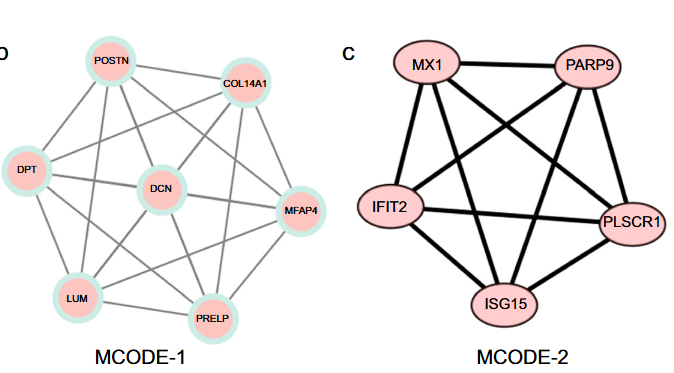
Recurrent miscarriage (RM) is currently difficult to prevent and treat due to a lack of comprehensive understanding of its molecular mechanisms. The aim of this study was to identify genes potentially involved in the pathogenesis of RM and to observe their expression in the decidual tissues of RM patients. A total of 1823 differentially expressed genes (DEGs) and 148 differentially expressed proteins (DEPs) in decidual tissues between RM and control groups were identified. Subsequently, DCN, DPT, LUM, MFAP4, and ISG15 were identified from the DEGs/DEPs as RM-related hub genes through systematic bioinformatics analysis. Bioinformatics analysis of the single-cell dataset GSE214607 revealed that the expression of these five hub genes in the decidual stromal cells (DSCs) of RM patients appeared to be upregulated, while the RT-qPCR assay showed that their decidual expression levels were significantly increased in RM patients. Uterine Isg15 expression was significantly increased, whereas the uterine expression of Dcn, Dpt, Lum, and Mfap4 was decreased in LPS-induced early pregnancy loss (EPL) mice. MiR-16-5p, -21-3p, -27a-3p, and -941 were identified as potentially involved in the regulation of these five hub genes, and their decidual expression levels were significantly decreased in RM patients. The abnormally increased ISG15 expression in the decidual tissues of RM patients and uterine tissues of LPS-induced mice was validated by WB analysis. ISG15 expression was significantly reduced during the in vitro decidualization of human endometrial stromal cells (hESCs). Collectively, DCN, DPT, LUM, MFAP4, and ISG15 were identified as RM-related hub genes, and their expression in the decidual tissues of RM patients was significantly increased. The decidualization of hESCs was accompanied by reduced ISG15 expression, suggesting that increased decidual ISG15 expression might lead to EPL by disrupting the decidualization process.
-
Unraveling the proteomic signatures of coronary artery disease and hypercholesterolemia
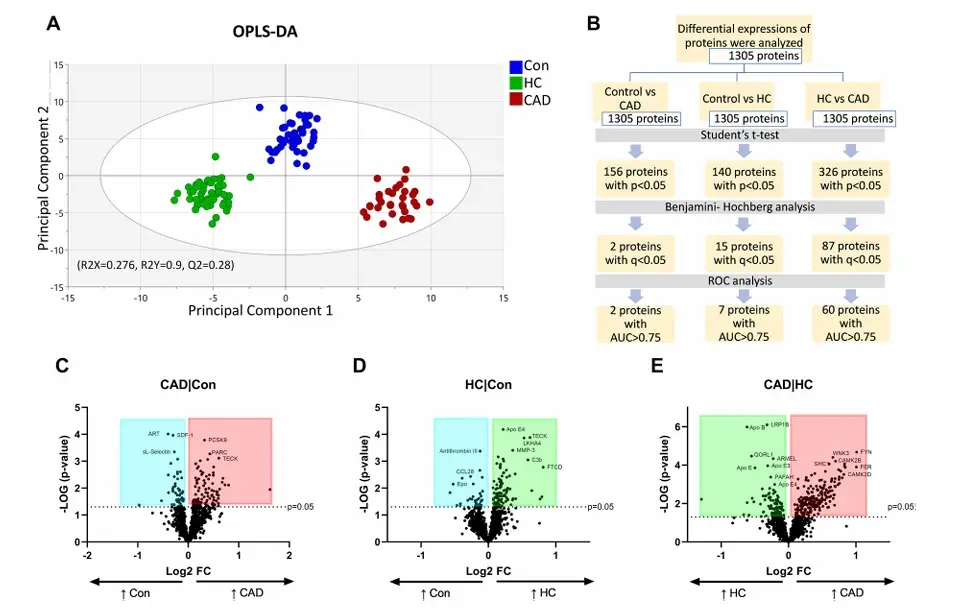
Atherosclerosis, a leading cause of coronary artery disease (CAD), is heavily influenced by hypercholesterolemia (HC). Proteomics research has shown promise in identifying biological markers for CAD diagnosis and prognosis. This cross-sectional study aimed to identify novel biomarkers for detecting HC and CAD. Through the analysis of proteome data from healthy controls (n = 45) and patients diagnosed with HC (n = 51) or CAD (n = 32), distinct protein patterns associated with each condition were identified. Significant alterations in protein levels were identified with a false discovery rate (FDR)-corrected q-value of <0.05. Subsequent receiver operating characteristic (ROC) analysis, with an area under the curve (AUC) greater than 0.75, was conducted. CAD patients exhibited significantly increased levels of the cholesterol-metabolizing protein proprotein convertase subtilisin/kexin type 9 (PCSK9) and varied levels of the angiogenesis-related protein stromal-cell-derived factor-1 (SDF-1) compared to controls. In pairwise comparisons among the study groups, 65 proteins showed significant differential expression. Notably, 14 of these proteins had significant correlations with blood cholesterol levels. Additionally, 22 of the identified proteins were associated with CAD or HC pathways, with nine proteins being common to both conditions (APO E, APO E3, MMP-3, PCSK9, SDF-1, APO B, PAFAH, 60 kDa heat shock protein, and TGF-beta-activated kinase 1 and MAP3K7-binding protein 1 fusion). Nevertheless, this is an exploratory study, and validation studies are needed to confirm these potential protein biomarkers for CAD in the context of HC.
-
Gene polymorphisms of miR-323b and miR-1343 that regulate kininogen L are associated with schizophrenia susceptibility: A preliminary population‑based study
miR-SNP is a type of functional single nucleotide polymorphism (SNP) that affects the regulatory functions of miRNA genes, miRNA binding sites, or components of miRNA biogenesis. This study aimed to explore the relationship between miRNA gene polymorphisms that regulate the kininogen L protein and schizophrenia (SCZ). Bioinformatics methods predicted miRNA gene polymorphism sites regulating the kininogen L protein. The polymorphisms of rs56103835, rs6513496, rs651349, and rs2986407 were detected using imLDR multiple SNP typing technologies in 513 SCZ patients and 509 controls. The association of miR-SNP variations with SCZ susceptibility and symptoms was evaluated using SNPstat to determine the optimal inheritance model. Generalized multifactor dimensionality reduction (GMDR) analysis and logistic regression were used to calculate miR-SNP interactions. The association between hsa-miR-323b-rs56103835 and SCZ was statistically significant under the dominant model. The result of gene-gene interaction showed that the three-factor model (rs56103835 / rs2986407 / rs2155248) was the best, but it could not be considered significantly related to SCZ. Additionally, SCZ patients with the CC or CT genotype on rs2986407 were more likely to experience auditory hallucinations than those with the TT genotype. Our data revealed that the mutation of hsa-miR-323b-rs56103835 from C to T was associated with susceptibility to SCZ. The mutation of hsa-miR-1343-rs2986407 from T to C increases the risk of auditory hallucinations in SCZ patients.
-
The mechanism research of itraconazole combined with aspirin in the treatment of vulvovaginal candidiasis through NF-κB signaling pathway
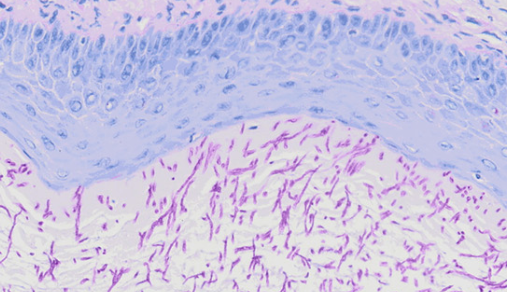
Vulvovaginal candidiasis (VVC) is a common fungal infection caused primarily by Candida albicans, characterized by inflammation and discomfort, often requiring effective therapeutic strategies to reduce fungal load and inflammation. This study aimed to explore the therapeutic effects and underlying mechanisms of combining aspirin (ASP) and itraconazole (ITR) in treating VVC through the activation of the NF-κB signaling pathway. Clinical isolates of C. albicans were selected, and the M27-A4 microbroth dilution method was used for in vitro drug sensitivity testing. A VVC model was established, and after three days of continuous administration, fungal load, inflammatory factors, and pathway protein expression were analyzed using Gram staining, plate counting, glycogen (PAS) staining, ELISA, and qPCR. The results of the in vitro drug sensitivity tests revealed that the MIC50 values of ASP and ITR were significantly reduced when the two drugs were combined. In animal experiments, the VVC model group exhibited a substantial vaginal fungal load compared to the blank control group. This was accompanied by elevated levels of inflammatory factors (IL-1β, IL-6, and TNF-α) in serum and vaginal lavage fluid, increased phosphorylation of p65 and IκBα, and upregulation of p65 and IκBα mRNA expression in vaginal tissue. Treatment with the ASP and ITR combination significantly reduced vaginal fungal load, decreased levels of IL-1β, IL-6, and TNF-α, and suppressed the phosphorylation of p65 and IκBα in serum and vaginal lavage fluid. Additionally, the mRNA expression of p65 and IκBα in vaginal tissue was downregulated. These findings suggest that the combination of ASP and ITR is effective in treating VVC. The therapeutic effect may be attributed to the inhibition of IL-1β, IL-6, and TNF-α production by downregulating NF-κB signaling pathway proteins.
-
The MHC-I-dependent neoantigen presentation pathway predicts response rate to PD-1/PD-L1 blockade
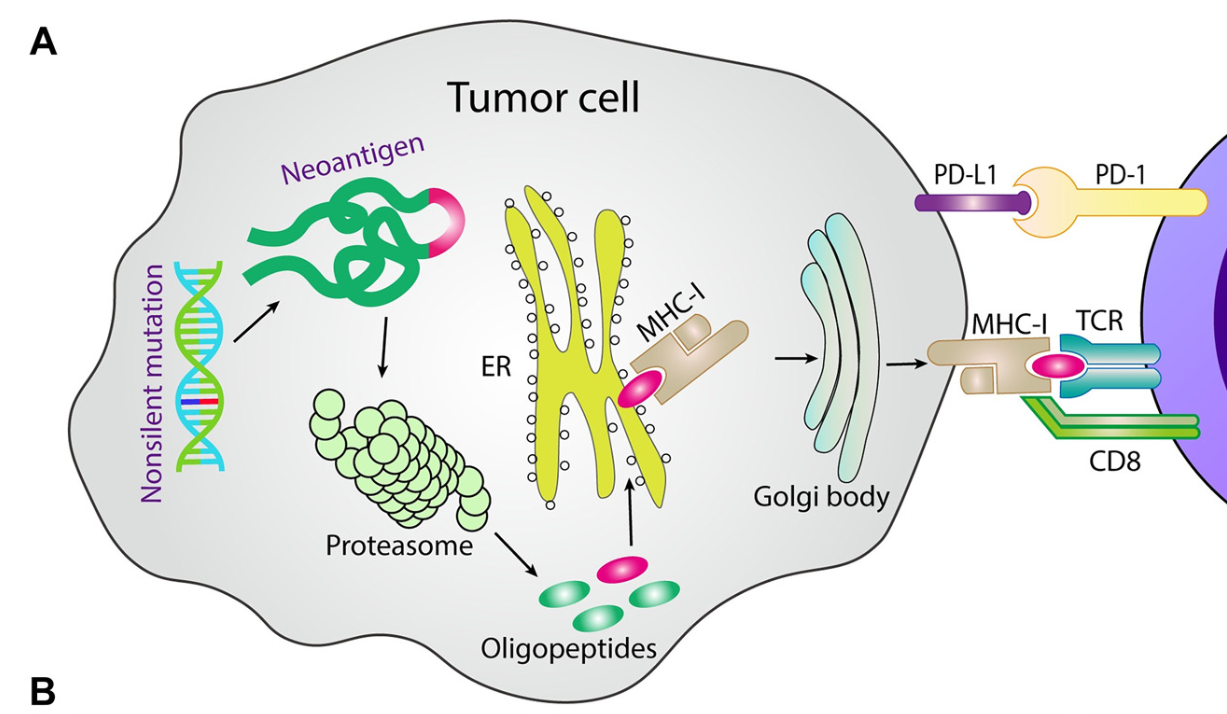
Immune checkpoint inhibitors produce durable antitumor effects in various cancers, but not all patients respond. High tumor mutational burden (TMB) is a known predictor of clinical benefit. In this study, we focused on the MHC-I-dependent neoantigen presentation pathway to enhance predictive capabilities beyond TMB. Using pan-cancer immunogenomic analyses of somatic mutation data from The Cancer Genome Atlas (TCGA) and The International Cancer Genome Consortium (ICGC), we analyzed 33 cancer types. Objective response rates (ORRs) to PD-1/PD-L1 inhibitors were evaluated in relation to immune characteristics, including TMB, neoantigen load, MHC-I gene expression, and CD8+ T cell fraction. Spearman’s rank correlation was used to assess these relationships. TMB showed the strongest correlation with ORR (r = 0.783, P = 2.17 × 10⁻⁵). However, integrating TMB, HLA-A expression, and CD8+ T cell fraction significantly improved predictive accuracy (r = 0.865, P = 1.80 × 10⁻⁶). Validation in external cohorts confirmed these findings, revealing notable differences in MHC-I pathway activity between responders and non-responders to immunotherapy. Our results demonstrate that the MHC-I antigen presentation pathway is strongly associated with response to PD-1/PD-L1 inhibitors. Importantly, combining antigen expression, processing, presentation, and recognition features provides superior predictive power compared to TMB alone. This integrated approach could improve treatment outcome predictions and advance personalized immunotherapy strategies.
-
PF4 regulates neuronal ferroptosis in cerebral hemorrhage through CXCR3/PI3K/AKT/Nrf2 pathway
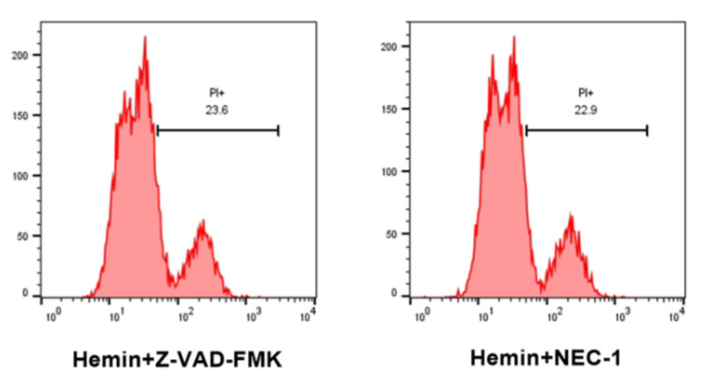
Inhibiting ferroptosis represents a promising strategy for managing neuronal injury caused by intracerebral hemorrhage (ICH). Platelet factor 4 (PF4), a chemokine with diverse biological functions, has an unclear role in ICH and its impact on neuronal ferroptosis. To investigate this, a hemin-induced injury model was established in PC12 cells in vitro, and an ICH model was created in vivo using IV collagenase injection. Hemin-treated PC12 cells were co-cultured with recombinant mouse PF4 (Rm-PF4) protein to examine the effects of PF4 on ferroptosis. Additionally, Rm-PF4 was administered intraperitoneally to ICH mice, and its influence on neurological dysfunction, brain edema, and neuronal ferroptosis was evaluated. Western blot analysis was employed to assess PF4 levels, CXCR3/phosphatidylinositol 3-kinase (PI3K)/AKT/nuclear factor erythroid-2-related factor 2 (Nrf2) pathway activation, and ferroptosis-related protein expression. PF4 levels were found to be reduced in both perihematomal brain tissues of ICH mice and hemin-treated PC12 cells. Treatment with Rm-PF4 decreased ferrous ion, malondialdehyde (MDA), and reactive oxygen species (ROS) levels, effectively inhibiting ferroptosis in PC12 cells. Furthermore, Rm-PF4 administration alleviated neurological dysfunction, neuronal damage, and brain edema while suppressing neuronal ferroptosis in ICH mice. Mechanistically, Rm-PF4 activated the CXCR3/PI3K/AKT/Nrf2 pathway, and this protective effect was diminished by a CXCR3 antagonist in both ICH mice and hemin-treated PC12 cells. In conclusion, PF4 mitigates ICH-induced neuronal ferroptosis in mouse models and PC12 cells by activating the CXCR3/PI3K/AKT/Nrf2 pathway.
-
Risk factors and a nomogram for predicting valproic acid-induced liver injury : A nested case-control study
The risk factors for liver injury induced by valproic acid (VPA) are not well understood, and no predictive tool currently exists to identify patients at risk. This study aims to explore these risk factors and develop a predictive model. We collected medical data from patients treated with VPA between January 1, 2020, and October 31, 2023. Prescription sequence analysis was used to identify patients with suspected VPA-induced liver injury, and the Roussel Uclaf Causality Assessment Method was applied to confirm the diagnosis. Risk factors were analyzed using logistic regression, and a nomogram model was developed and evaluated. A total of 256 cases were included in the study: 64 in the VPA-induced liver injury group and 192 in the control group. The incidence of liver injury was 5.3%. Multivariate logistic regression analysis revealed that dysglycemia (odds ratio [OR] = 5.171; 95% confidence interval [CI]: 1.254–21.325), hyperlipidemia (OR = 4.903; 95% CI: 1.400–17.173), surgery (OR = 10.020; 95% CI: 1.737–57.805), and hypokalemia (OR = 10.407; 95% CI: 2.398–45.173) were significant independent risk factors for VPA-induced liver injury. The area under the receiver operating characteristic curve was 0.904 (95% CI: 0.860–0.947), indicating excellent model performance. The Hosmer–Lemeshow test yielded a P value of 0.2671, and the calibration plot slope was close to one, further supporting the model’s accuracy. The findings suggest that patients with dysglycemia, hyperlipidemia, a history of surgery, and hypokalemia are at higher risk for VPA-induced liver injury. The nomogram model provides a reliable method for predicting the likelihood of liver injury in these patients.
-
Is there an association between glomerular hyperfiltration and coronary flow velocity reserve in patients with gestational diabetes history?
Glomerular hyperfiltration (GHF) is an early marker of chronic kidney disease (CKD) and may predict coronary microvascular dysfunction, presenting as reduced coronary flow velocity reserve (CFVR) in patients with a history of gestational diabetes (GDM). This study aimed to assess the glomerular filtration rate (GFR) and compare CFVR in patients with a history of GDM. We screened patients referred to the Cardiology Department of Istanbul Medeniyet University for angina pectoris, excluding those with positive treadmill test results. Women with a history of GDM were categorized into three groups based on GFR levels: Group 1 (60-89 ml/min), Group 2 (90-119 ml/min), and Group 3 (≥ 120 ml/min). Coronary diastolic peak velocities were measured at baseline and after dipyridamole administration, with CFVR defined as the ratio of hyperemic to baseline diastolic peak velocities. The homeostasis model assessment of insulin resistance (HOMA-IR) and body mass index were derived from patient files. A total of 166 patients were included: 57 in Group 1, 80 in Group 2, and 29 in Group 3. HOMA-IR was higher in Group 3 compared to Group 2 (P < 0.05). Group 1 had the lowest CFVR (2.3 ± 0.3%), Group 2 had the highest (2.5 ± 0.3%), and Group 3 showed a moderate decrease in CFVR (2.4 ± 0.3%). Multivariate linear regression analysis revealed that HbA1c was independently associated with CFVR. In patients with GDM, GHF is associated with reduced CFVR, linked to metabolic parameters such as HbA1c and HOMA-IR. Interventions to improve metabolic health may prevent cardiovascular disease in these patients.
-
Fiber-type composition and 3D capillary analysis of the human splenius capitis muscle
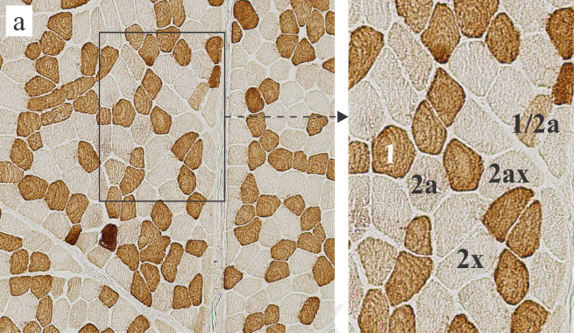
Despite the significance of neck muscles in musculoskeletal disorders, their microscopic anatomy remains poorly characterized. This study examined the splenius capitis muscle, focusing on its fiber-type composition, fiber size, and capillary network characteristics. For comparison and validation, the vastus lateralis muscle was also analyzed. Muscle samples from 13 young male subjects (mean age ± SD: 35.7 ± 8.6 years) were collected within 24-h post-mortem during autopsy. Myosin heavy chain (MyHC) isoform expression was characterized immunohistochemically in 10 μm sections, while the capillary network architecture was assessed in 100 μm sections. Immunofluorescence staining, confocal microscopy, and 3D image analysis were employed to quantify capillary tortuosity, anisotropy, branch density (Br dens), and the length of capillaries per muscle volume (LV), per muscle fiber length (LL), per fiber surface area (LS), and per fiber volume (LVf). Compared to the vastus lateralis muscle, the splenius capitis muscle had a higher percentage of type 1 fibers (51.2% vs 39.7%), fewer type 2a fibers (16.2% vs 31.4%), and smaller fiber diameters (35.5–40.9 μm vs 47–56.1 μm). It also displayed lower Br dens (P = 0.0069), higher anisotropy (P = 0.0004), and lower LL (P < 0.0001) but higher LVf (P = 0.0486). In the splenius capitis muscle, body mass index (BMI) negatively correlated with LV (P = 0.0155), LS (P = 0.0091), LVf (P = 0.0137), and anisotropy (P = 0.0425), and positively correlated with tortuosity (P = 0.0473), indicating a reduction in the capillary network. In the vastus lateralis muscle, only LV (P = 0.0161) decreased with high BMI. This study characterized the fiber-type composition, fiber size, and 3D capillary network of the splenius capitis muscle, establishing a baseline for investigations into pathological muscle alterations.
-
CDKN2B-AS1 polymorphism rs1333049 is associated with advanced carotid artery atherosclerosis in a Slovenian population
Several studies have reported an association between the 9p21 region in the human genome and atherosclerosis. The rs1333049 polymorphism is a single nucleotide polymorphism (SNP) in CDKN2B-AS1, located in the 9p21 region. The aim of our study was to investigate the association between the rs1333049 polymorphism and advanced carotid atherosclerosis, as well as its effect on CDKN2B expression in endarterectomy sequesters. In our case-control study, we included 881 participants, divided into two groups. The case group comprised 308 participants with advanced atherosclerosis of the internal or common carotid artery (stenosis > 75 %) who underwent a revascularization procedure. The control group included 573 participants without hemodynamically significant carotid atherosclerosis. We analyzed the rs1333049 polymorphism using the StepOne real-time polymerase chain reaction (PCR) and TaqMan SNP genotyping assay. We found a statistically significant association according to the co-dominant (P=0.014, OR=3.29, 95% CI: 1.32-8.91, and P=0.015, OR=2.50, 95% CI: 1.22-5.37) and dominant (P=0.006, OR=2.74, 95% CI: 1.36-5.71) models. We performed immunohistochemical analysis of CDKN2B expression on 26 endarterectomy sequesters. The C allele of rs1333049 was associated with a lower numerical area density of CDKN2B-positive cells in atherosclerotic plaques. In conclusion, the C allele of the rs1333049 SNP is associated with an increased risk of developing advanced carotid atherosclerosis and lower CDKN2B expression in the plaques.
-
Huangqi Decoction reduces liver fibrosis in rats by modulating PI3K/Akt/mTOR signaling and promoting autophagy
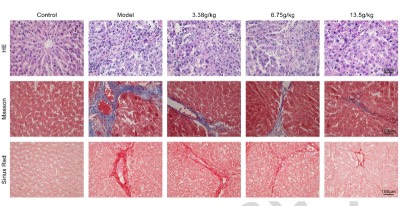
Liver fibrosis is a chronic condition caused by various factors, and currently, there are no widely effective treatments. Autophagy plays a crucial role in maintaining liver energy homeostasis, and its disruption can contribute to the development of liver fibrosis. This study investigates the effects and molecular mechanisms of Huangqi Decoction, a traditional Chinese medicine, on autophagy and apoptosis in fibrotic liver tissue. Tissue staining indicated that Huangqi Decoction mitigated CCL4-induced liver injury and apoptosis in rats. Western blot analysis of liver fibrosis markers revealed that Huangqi Decoction significantly reduced the expression levels of alpha-smooth muscle actin (α-SMA), type I collagen, matrix metalloproteinase-2 (MMP-2), and matrix metalloproteinase-9 (MMP-9). Additionally, serum markers of liver fibrosis and biochemical indicators of hepatocyte injury showed that Huangqi Decoction effectively lowered serum levels of hyaluronic acid (HA), lymph node (LN), type I collagen, aspartate aminotransferase (AST), and alanine aminotransferase (ALT). Furthermore, Western blot analysis confirmed that Huangqi Decoction alleviated hepatocyte injury by promoting autophagy and inhibiting the PI3K/Akt/mTOR signaling pathway. In conclusion, Huangqi Decoction enhances autophagy and inhibits apoptosis through the PI3K/Akt/mTOR pathway in rats with liver fibrosis.
-
Curcumin and its combination with a reduced dose of rosuvastatin: A promising therapy for chronic kidney disease and associated dyslipidemia in rat animal models
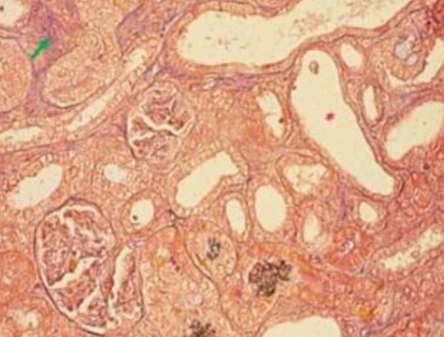
The objective of this study was to confirm the effects of curcumin and to investigate the effects of its combination with a reduced dose of rosuvastatin in an adenine-induced model of chronic kidney disease (CKD) and associated dyslipidemia in rats. Renal function and morphology, as well as lipid status, were assessed using laboratory parameters and histopathological analysis. Male Wistar rats (n=36) randomly divided into six groups, were treated for 24 days: normal control (standard diet), CKD control (adenine diet, 0.75% w/w adenine-supplemented diet), curcumin (100 mg/kg/day + adenine diet), rosuvastatin minimal therapeutic dose (MTD) (5 mg/day + adenine diet), rosuvastatin reduced dose (RD, 25% of rosuvastatin MTD + adenine diet), and rosuvastatin RD + curcumin (25% of rosuvastatin MTD + curcumin 100 mg/kg/day + adenine diet) group. While rosuvastatin alone showed only antilipemic action, both curcumin alone and its combination with a reduced dose of rosuvastatin showed better renal protection with lower serum creatinine levels and milder renal morphological alterations, as well as better antilipemic action with lower levels of triglycerides, very low-density lipoprotein (VLDL), and low-density lipoprotein (LDL) cholesterols compared with the levels in CKD control rats. Treatment with curcumin alone also resulted in a significantly higher estimated glomerular filtration rate, lower uric acid levels, and higher high-density lipoprotein (HDL) cholesterol, while the combined therapy additionally resulted in higher serum albumin levels, lower total cholesterol, and both atherogenic and coronary risk indexes compared with CKD control rats. The results of this study confirmed the beneficial effects of curcumin alone and provided new evidence for the beneficial effects of its combination with a reduced dose of rosuvastatin in rats with CKD and associated dyslipidemia.
-
Clinical significance of HIF-1α, ET-1, and NO as biomarkers in chronic obstructive pulmonary disease patients with pulmonary hypertension
Pulmonary hypertension (PH) is a common complication of chronic obstructive pulmonary disease (COPD), with repeated infections and airflow limitation leading to endothelial dysfunction. The objective of this study was to retrospectively investigate the clinical significance of serum hypoxia-inducible factor 1-alpha (HIF-1α), plasma endothelin-1 (ET-1), and nitric oxide (NO) as non-invasive blood biomarkers for diagnosing patients with acute exacerbation of COPD (AECOPD). A total of 230 AECOPD patients were assessed for serum HIF-1α, plasma ET-1, and NO levels using Doppler echocardiography and blood tests. Clinical characteristics, including age, COPD duration, and comorbidities, were compared between patients with and without PH. The diagnostic value was determined through receiver operating characteristic analysis. Pearson correlation and multivariate logistic analyses explored the correlation of biomarkers in AECOPD with PH. Serum HIF-1α, plasma ET-1, and NO levels showed significant differences between COPD patients with and without PH. The combination model (0.027 * HIF-1α + 0.028 * ET-1 − 0.049 * NO) demonstrated an area under the curve of 0.89, indicating superior diagnostic value compared to individual biomarkers. Multivariate logistic analysis identified smoking, higher Global Initiative for Chronic Obstructive Lung Disease grade, hypertension, and elevated levels of HIF-1α, ET-1, and NO as independent risk factors for AECOPD. Positive correlations were observed between serum HIF-1α and plasma ET-1 levels with pulmonary artery systolic pressure, while NO demonstrated a negative correlation. Serum HIF-1α, plasma ET-1, and NO were associated with AECOPD and PH, and detecting individual or combined levels of these biomarkers in the blood can predict COPD-related PH.
-
Effect of elevated CEA levels on the outcome of colorectal cancer patients with different histopathologic types:A SEER population-based study
Limited and contradictory evidence has been reported regarding the prognostic effects of carcinoembryonic antigen (CEA) on the prognosis and metastasis of classical adenocarcinoma (CA), mucinous adenocarcinoma (MA), and signet-ring cell carcinoma (SRCC) in colorectal cancer (CRC) patients. We investigated the associations between histological subtypes and preoperative serum CEA levels in determining the oncologic outcomes of CRC patients. A total of 47,692 patients with clearly diagnosed CRC were selected from the Surveillance, Epidemiology, and End Results (SEER) database and divided into two cohorts based on serum CEA levels: CEA-normal (C0) and CEA-elevated (C1). Chi-square analysis revealed a correlation between CEA levels and histological classification. We then included a newly defined interaction variable (H&CEA) in the Cox regression analysis, which demonstrated that this variable could serve as an independent prognostic factor (P < 0.001). CA, in the context of elevated serum CEA levels, differed from the other two histopathological types, showing unexpectedly higher risks for both overall survival (OS) (HR = 1.70, 95% CI = 1.65–1.75, P < 0.001) and cancer-specific survival (CSS) (HR = 1.78, 95% CI = 1.72–1.85, P < 0.001). Furthermore, elevated CEA levels significantly increased the proportion of liver metastases in the CA group (25.43% vs 3.95%, P < 0.001). The interaction variable H&CEA can be used as an independent prognostic factor for CRC and should be considered in the diagnosis of CRC and the development of personalized treatment plans. Additionally, in the context of elevated CEA levels, CA is associated with poor prognosis and increased liver metastases. This CRC subgroup warrants special clinical attention from oncologists.
-
Association of baseline remnant cholesterol independent of LDL-cholesterol with newly diagnosed diabetes in the Chinese population
Remnant cholesterol (RC) is highly regarded in the cardiovascular field; however, its relationship with new-onset diabetes remains unclear. This study aimed to investigate the relationship between RC and the risk of developing diabetes, as well as its interaction with low-density lipoprotein cholesterol (LDL-c). This was a secondary analysis of a retrospective cohort study based on a Chinese population. A multivariate Cox proportional hazards regression was initially employed to assess the relationship between RC and newly diagnosed diabetes. This was followed by a subgroup analysis to explore intergroup heterogeneity. A clinical prediction model was then developed. Finally, the study further analyzed the interactions between LDL-c and RC. After adjusting for confounding factors, RC was significantly associated with an increased risk of diabetes (HR = 1.46, 95% confidence interval [CI] 1.36–1.57). Furthermore, this relationship was nonlinear, with an inflection point of 0.48 identified through the piecewise model. Subgroup analysis indicated that the association was more pronounced in individuals under 60 years and those with a body mass index < 24 kg/m2 (P for interaction = 0.0004, <0.0001, respectively). RC proved to be a more effective predictor of diabetes compared to other lipid profiles, and the clinical prediction model was successfully constructed. Notably, individuals in the low LDL-c/high RC group were found to have a 1.41-fold (95% CI 1.281.55) greater risk compared to those in the low LDL-c/low RC group. Significant correlations were observed between baseline RC levels and the risk of new-onset diabetes. Elevated RC was a strong predictor of diabetes risk, irrespective of LDL-c levels.
-
Leveraging social media for resident training in developing countries: A case study of Libya
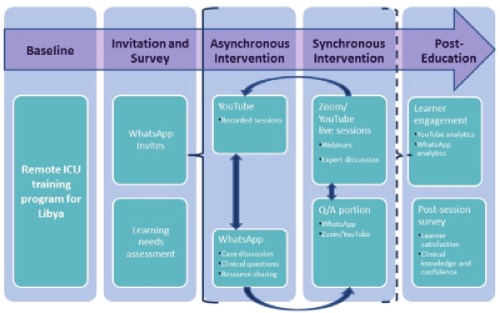
Social media platforms have emerged as invaluable tools for remote training in resource-constrained countries. This study presents the development, implementation, and preliminary assessment of a remote intensive care unit (ICU) training program conducted in Libya utilizing social media platforms. This educational initiative was based on the Checklist for Early Recognition and Treatment of Acute Illness and iNjury (CERTAIN) program, targeting Libyan resident physicians. The initiative comprised a series of live-streamed pulmonary/critical care lectures and asynchronous discussion of clinical cases via a private messaging chat. Participant engagement, satisfaction, and learning outcomes were evaluated using social media analytics and surveys. A total of 323 learners joined the Libyan ICU training program chat group, and two tele-education sessions were broadcast, accumulating a total of 749 views. The majority (72.6%) of learners had graduated from medical school within the past five years and were in residency training. Clinical cases and learning materials were shared through 2,991 messages in the chat group. Learners' objective and subjective clinical knowledge improved after each tele-education session, and 88% of survey respondents rated the remote ICU training program as excellent. This study highlights the potential of using widely available social media platforms for remote ICU education in resource-limited settings.
-
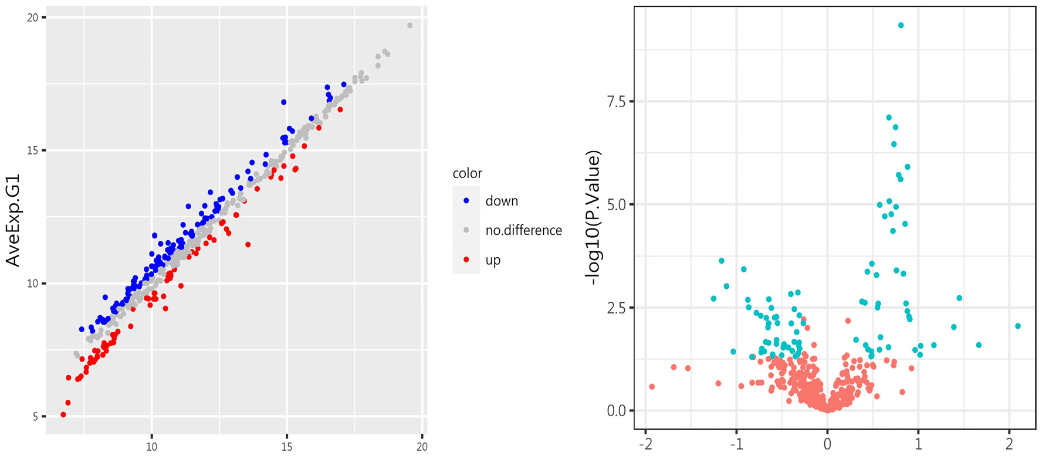
Serum cytokine profiles in children with IgA vasculitis with nephritis
This study aimed to discover novel serum biomarkers for IgA vasculitis with nephritis (IgAVN). The serum of IgA vasculitis (IgAV) patients without nephritis and IgAVN patients not treated with glucocorticoids was analyzed for 440 proteins using a novel quantitative planar protein microarray. To verify the biomarkers, semiquantitative immunofluorescence analysis was performed on selected differential cytokines in a separate cohort of kidney tissue samples. A total of 41 proteins were differentially expressed between the IgAVN and IgAV groups out of the 440 proteins analyzed. Five differentially abundant proteins, including VEGF R3, ADAM12, TIM-3, IL-12p40, and CEACAM-5, were further validated by semiquantitative immunofluorescence analysis in kidney tissue from independent cohorts. ADAM12, TIM-3, IL-12p40, and CEACAM-5 were expressed in kidney tissue. A linear relationship was observed between the pathological grade of IgAVN and the expression levels of ADAM12 and CEACAM-5. Furthermore, while the prognosis of children with IgAVN may have a linear relationship with CEACAM-5, the results did not indicate a significant statistical difference, which may be related to the sample size. The expression of ADAM12 and CEACAM-5 were positively correlated with the pathological grade. More importantly, we found that CEACAM-5 may be related to the prognosis of IgAVN, which could serve as a significant biomarker for assessing disease severity and monitoring disease progression.