

Vol. 13 No. 4
- 12Articles
- 1Editorial
- 2Biochemistry
- 1Immunology
- 1Microbiology
- 2Pharmacology
- 2Anatomy
- 1Molecular Biology
- 2Translational and Clinical Research
Editorial
1 article-
What has Science’s open-access sting taught us about the quality of peer review?
In October this year, Science published a journalistic investigation into quality of peer review in open access journals [1]. The results were sobering. Around 60% of all journals accepted to publish a research paper with most obvious and basic mistakes - in fact the whole paper, its data, authors and their affiliations were entirely made up by the journalist, John Bohannon, to expose poor peer review. The article has provoked a lot of media attention as well as a backlash from open-access publishers and supporters, who called it unethical, unsound and even accused the journalist of being racist (for making up authors with African names). But regardless of the criticisms, the paper’s surprising findings stand and should be a cause of grave concern for science and science publishing: it shows that many - if not most - open access journals do not have a strict enough editorial and peer review process to catch poor research and flawed papers. The article intrigued me especially, as I commissioned a similar feature article for the website where I edit new and feature, SciDev.Net, which we published earlier this year [2]. I also had the idea of sending out fake and flawed papers to catch ’bad journals’ who accept it, but the time and money needed to do this meant we ended up skipping the investigative part, and we based our article only on reporting interviews with people affected. The key findings were that this is a global problem with some journals prey on researchers going for their money but not providing proper peer review, and that pressure to publish draws scientists, especially in developing countries, to publish in such journals. Experts suggested investigation and regulation is needed to ensure proper peer review, but there was little indication that this regulation will happen any time soon. Another key reason for not sending out fake papers were concerns over how to do this ethically and legally - in fact, the prospects of being sued by journals or their publishers for even talking about this issue meant that we had to be extra careful and run the article by media lawyers, as well as amend some sections and still accept some risk of being sued. Bohannon, in his recent interview with The Scholarly Kitchen blog, says his investigation, too, was initially held back by an editor who feared a lawsuit [3]. And here’s the thing: there is a huge number of journals and publishers out there doing a poor job indeed, publishing suspect science and some charging scientists money for it, and yet this is not illegal - and there is no national or international body that can order such journals to shut down. What they do is bad for science, good for publishers who make money off it and even good for some scientists who choose to publish there simply not to perish - rather than having any significant findings to communicate, and yet it is not against any law to do so. Yet journalists wanting to report on this issue fear being sued and are being held back from even investigating the issue. This is why I think Science’s article is so important: it was brave enough to investigate this issue and expose bad practice even though the prospect of a lawsuit was very real along the way [3]. This is what real journalism is about: telling stories that someone somewhere does not want you to tell; and seeing it done in science, where we rarely have investigative stories is especially satisfying. And even after this expose there may be no consequences for most of the journals and publishers. Indeed, apart form InTech’s (Rijeka-based publisher) International Journal of Integrative Medicine, which closed down as I reported at Retraction Watch blog [4], Bohannon says he is not aware of any other closures [3]. In the legal void in which anyone can set up a ’scientific journal’ online and start charging scientists for ’publishing’ there it is up to national and international grant giving bodies and funders to act to exclude journals with poor peer review from being accepted in scientists grant, job and promotion applications. Science’s investigation included most - or all, as Bohannon claims - of open access publishers that publish in English and in sciences (such as biology, medicine, chemistry), targeting 304 journals many of which were listed in Directory of Open Access Journals, and some, tellingly, in Beall’s List of predatory publishers. This left out thousands of journals that publish in local languages, including many in our region of South-East Europe. Croatia alone, has 343 academic journals listed on the central portal of Croatian scientific journals - Hrčak [5]. Most of these are open access and funded by the government, yet scientists often criticise many of them for being a waste of public money and dumps for bad science that cannot be published in better international journals [6]. Quality of peer review, especially in domestic language is also brought into question [6]. Similarly, in Serbia, SCIndeks lists 411 academic journals [7]. Yet, Centre for Evaluation in Education and Science, which runs the index together with National Library of Serbia, found recently that up to 11% of all articles published there contained some sort of plagiarism [8]. The centre itself admitted later that “after about one-year time we have to admit that the expected response by journal editors is still missing” and itself it only excluded two of the biggest culprits out of SCIndeks [9]. Similarly, my own journalistic investigation into what how, if at all, plagiarised papers are then retracted from journals in Serbia [10] and Croatia [11] shows a lack of standard practices and wide variation in retraction practices - often not following internationally accepted guidance, such as those set by COPE. If journals fail to detect plagiarism, which is a routine procedure these days, one wonders what the state of peer review and detection of other forms of misconduct may be. Indeed, a more recent study by the same centre found what is calls”a citation cartel created for manipulative purposes by two predatory journals” published by a publisher based in Bosnia and Herzegovina, but where many Serbian researchers regularly publish, in what the study called a cartel (i.e. scientists know they are doing a bad thing, paying public money to publish in their friends’ journals, and citing other studies in those journals to artificially boost their impact factors) [12]. What these examples highlight is that by no means has the publishing misconduct - or at least suspect practices - bypassed our region. In fact, small scientific communities, peer review in local languages, and lack of publishing and scientific expertise are all likely to exacerbate the problems in conducting proper peer review in small and local journals. Indeed, out of five journals in the former Yugoslavia, which Bohannon targeted, only one - the journal you are reading - has recognized the problems with the fake paper and decided to reject it. The other four: International Journal of Integrative Medicine (In Tech, Croatia), Journal of Plant Biology Research (International Network for Applied Sciences and Technology, BH), Acta Facultatis Medicae Naisensis (Medical Faculty of University of Niš, Serbia), and Macedonian Journal of Medical Sciences (Institute of Immunobiology and Human Genetics in Skopje, Macedonia) all accepted it and if this was not a journalistic investigation they could have all be by now had published similar fake papers. When asked about this case, the editorial offices of the Journal of Plant Biology Research and Acta Facultatis Medicae Naisensis did not reply to my e-mails, which is discouraging. It shows how little transparency some journals are prepared to have in their work, and to what extent they can simply ignore such exposes by even the venerable Science magazine. The answers I received from the other three journals’ editorial offices shine some light on the issues in the region [13]. Editor of the Macedonian Journal of Medical Sciences, Professor Mirko Spiroski, PhD, MD, told me his editorial team and peer reviewers did not have expertise in the field the fake article was in, and after seeking ten peer reviews and only receiving one back (a single line review), they decided to accept the paper nevertheless. InTech basically said they gave their appointed scientific editors, who were not part of the firm, full freedom in peer review and then blamed the mistake on them. This shows a lack of in-house expertise in some journals and a worrying degree of relying on outside editors or peer reviewers with little oversight to make the decisions on whether to publish a paper or not. In contrast, the editors of this journal, Professor Bakir Mehić, PhD, MD and AminaValjevac, PhD, MD highlighted the value of in-house pre-review check of papers, before sending them out to peer reviewers. As the world continues to debate the merits of, and potentially better ways of doing, peer review (e.g. post-publication peer review, Peerage of Science’s or LIBRE’s community peer review before it reaches journals), we should take care to ensure proper peer review in our journal now. It is not rocket science and it has worked for centuries now. And national bodies and funders should recognize good practice and reward hard-working and ethical editorial offices to stimulate excellence and better peer review, while at the same time punishing the misconduct and being quicker and more proactive in striking off known offenders off citation indices and lists of journals accepted for official grants and job promotions.

Biochemistry
2 articles-
B-type natriuretic peptide and adiponectin releases in rat model of myocardial damage induced by isoproterenol administration
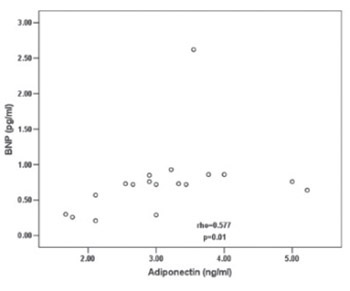
B-type natriuretic peptide (BNP) and adiponectin play important role in the cardiovascular homeostasis regulation. We investigated BNP and adiponectin serum levels followed by isoproterenol (ISO) administration to rats and explored the relationship between them. Cardiac troponin I (cTnI) blood level was used as biochemical evidence of myocardial damage development. Adult male Wistar rats (average body weight 273.33 ± 21.63 g) were distributed into groups: control group received saline (n=6) and ISO groups (n=12) treated with ISO (subcutaneous single dose 100 mg/kg of rat body weight). ISO group was divided into two groups according to the time of BNP, adiponectin and cTnI determination: ISO I (n=6; 2 hours after ISO administration); ISO II (n=6; 4 hours after ISO administration). Blood for determination of parameters was taken from rat abdominal aorta. BNP, adiponectin and cTnI were determined by ELISA method. Data were statistically analysed by using SPSS version 13 computer program. P value less 0.05 was considered statistically significant. Blood BNP and adiponectin were lower at 2 hours after ISO administration in comparison with control group (p=0.004 for BNP and p=0.174 for adiponectin). Four hours after ISO administration, we have noted significant elevation of both parameters compared to ISO I group (p=0.004 for BNP; p=0.02 for adiponectin). Test of correlation have showed significant relation between their blood levels during experimental period (rho=0.577; p=0.01). BNP and adiponectin are not simple indicators of myocardial damage development. They have possible associated and additive effects in cardiovascular homeostasis regulation.
-
Effects of single-dose neuropeptide Y on levels of hippocampal BDNF, MDA, GSH, and NO in a rat model of pentylenetetrazole-induced epileptic seizure
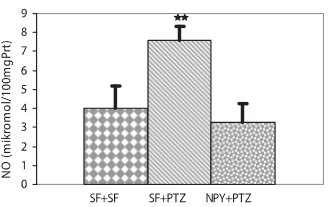
Epilepsy is one of the most common neurological disorders, characterized by recurrent seizures, which may increase the content of reactive oxygen and nitrogen species. The objective of this study was to investigate the effects of Neuropeptide Y on oxidative and nitrosative balance and brain-derived neurotrophic factor levels induced by pentylenetetrazole (a standard convulsant drug) in the hippocampus of Wistar rats. Three groups of seven rats were treated intraperitoneally as follows: group 1 (saline + saline) 1 ml saline, group 2 (salin + Pentylenetetrazole) 1 ml saline 30 min before Pentylenetetrazole; and group 3 (Neuropeptide Y + Pentylenetetrazole) 60 μg/kg Neuropeptide Y 30 min before 60 mg/kg Pentylenetetrazole. After 24 h, the animals were euthanized by decapitation. Hippocampus were isolated to evaluate the malondi-aldehyde, glutathione, nitric oxide, and brain-derived neurotrophic factor levels in three rat groups. The results of this study demonstrated that while intraperitoneally administered neuropeptide Y did not result in a statistically significant difference in BDNF levels, its administration caused a statistically significant decrease in malondialdehyde and nitric oxide levels and an increase in glutathione levels in rats with pentylenetetrazole-induced epileptic seizure. Neuropeptide Y were able to reduce nitroxidative damage induced by pentylenetetrazole in the hippocampus of Wistar rats.
Immunology
1 article-
Immunoregulatory cytokines and chronic tonsillitis
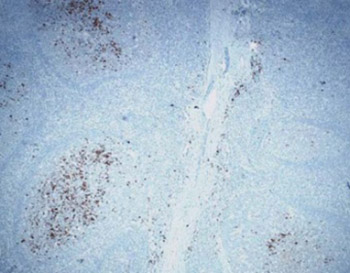
The purposes of the present study were to determine the distribution of cells producing cytokines: tumor necrosis factor α (TNF-α) and interleukin 6 (IL-6) in different morphological sections of tonsils in patients with tonsillar hypertrophy (TH) and recurrent tonsillitis (RT), to analyze the level of production of these cytokines in TH and RT and evaluate the potential of peripheral blood lymphocytes for production of interferon-γ (IFN-γ) and interleukin 4 (IL-4). Analyzed materials consisted of the tonsils after tonsillectomy and blood taken from patients right before tonsillectomy (study group) and blood taken from healthy donors (control group).We used histological and immunohistochemical method, morphometric methods for the quantification of TNF-α and IL- 6 producing cells and immunological methods for determining the concentration of IFN-γ and IL-4. Most of TNF-α producing cells are settled in the subepithelial region (55%). Numerical density of TNF-α producing cells in the crypt epithelium, subepithelial and interfollicular region was significantly higher in RT compared with TH. The concentration of IFN-γ is three times higher in RT then in TH. After the stimulation of peripheral blood lymphocytes in culture there was no significant increase in concentrations of IL- 4. The index of stimulation of IFN-γ was the highest in the RT, and of IL- 4 in TH. The production of Th1-type cytokines (TNF-α and IFN-γ) is higher in RT compared with TH. In both forms of tonsillitis, production of Th1-type cytokines is higher in relation to the production of Th2-type cytokines (IL-6 and IL-4).
Microbiology
1 article-
Investigation of in-vitro susceptibility of multidrug-resistant Acinetobacter baumannii strains isolated from clinical specimens to tigecycline
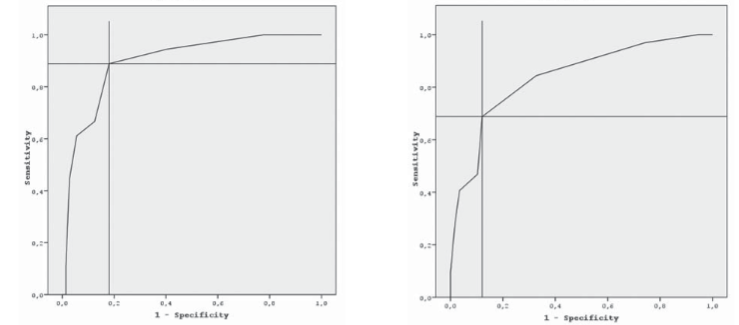
The management of infections due to A. baumannii is difficult because of rapidly developing resistance, however, tigecycline, a glycylcycline antimicrobial, is in use for several years. In the present study, it was aimed to determine the susceptibility rates of A. baumannii to tigecycline. A total of 90 A. baumanniisolates were tested using three methods such as disk diffusion, broth microdilution, and E-test. The MIC50and MIC90 values and the MIC range were found as 2 μg/ml, 4 μg/ml, and 0.1-8 μg/ml by microdilution; and 2 μg/ml, 6 μg/ml, and 0.1-12 μg/ml by E-test, respectively. There were a few major errors as well as the minor rates were all high as between 35.7%-46.7%. The accuracy rates between the methods were low as 53.3% (48/90) between disk diffusion and E-test, 51.1% (46/90) between disk diffusion and microdilution, and 60.0% (54/90) between E-test and microdilution. In the ROC curve analysis, an inhibition zone diameter of susceptibility breakpoint of 21.5 mm had sensitivity between 68.8%-88.9%; specificity between 81.9%-87.9%; and accuracy between 80.0%-83.33%. An analysis based on EUCAST’s non-species breakpoints, the MIC tests showed higher accuracy with a rate of 96.7%, however, performance of disk diffusion got worse as lower than 25%. In conclusion, we showed that the reliability of the methods even did not remain as high as the past. Our study presented that none of three methods revealed reliable results in determination of susceptibility of A. baumanni to tigecycline, so the clinical response should be followed up carefully in such cases.
Pharmacology
2 articles-
The protective effect of diosmin on hepatic ischemia reperfusion injury: an experimental study
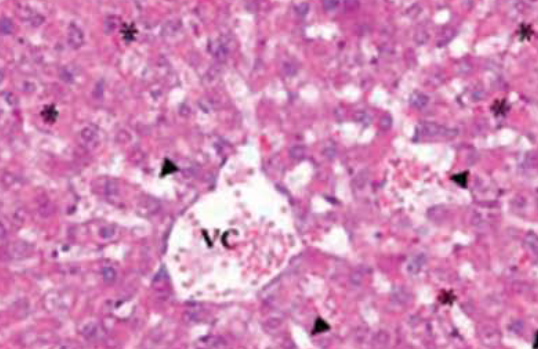
Liver ischemia reperfusion injury (IRI) is an important pathologic process leading to bodily systemic effects and liver injury. Our study aimed to investigate the protective effects of diosmin, a phlebotrophic drug with antioxidant and anti-inflammatory effects, in a liver IRI model. Forty rats were divided into 4 groups. Sham group, control group (ischemia-reperfusion), intraoperative treatment group, and preoperative treatment group. Ischemia reperfusion model was formed by clamping hepatic pedicle for a 60 minute of ischemia followed by liver reperfusion for another 90 minutes. Superoxide dismutase (SOD) and catalase (CAT) were measured as antioaxidant enzymes in the liver tissues, and malondialdehyde (MDA) as oxidative stress marker, xanthine oxidase (XO) as an oxidant enzyme and glutathione peroxidase (GSH-Px) as antioaxidant enzyme were measured in the liver tissues and the plasma samples. Hepatic function tests were lower in treatment groups than control group (p<0.001 for ALT and AST). Plasma XO and MDA levels were lower in treatment groups than control group, but plasma GSH-Px levels were higher (p<0.05 for all). Tissue MDA levels were lower in treatment groups than control group, but tissue GSH-Px, SOD, CAT and XO levels were higher (p<0.05 for MDA and p<0.001 for others). Samples in control group histopathologically showed morphologic abnormalities specific to ischemia reperfusion. It has been found that both preoperative and intraoperative diosmin treatment decreases cellular damage and protects cells from toxic effects in liver IRI. As a conclusion, diosmin may be used as a protective agent against IRI in elective and emergent liver surgical operations.
-
Assessment of the consistency among three drug compendia in listing and ranking of drug-drug interactions
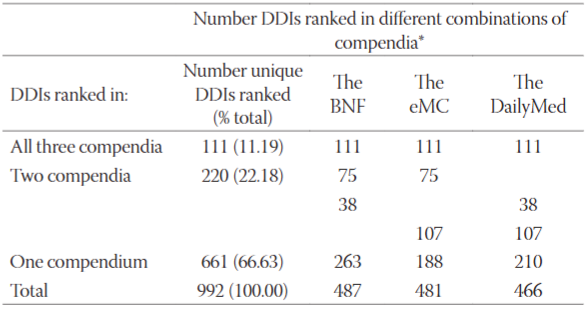
Inconsistent information about drug-drug interactions can cause variations in prescribing, and possibly increase the incidence of morbidity and mortality. The aim of this study was to assess whether there is an inconsistency in drug-drug interaction listing and ranking in three authoritative, freely accessible online drug information sources: The British National Formulary; The Compendium about Drugs Licensed for Use in the United Kingdom (the Electronic Medicines Compendium) and the Compendium about Drugs Licensed for Use in the United States (the DailyMed). Information on drug-drug interactions for thirty drugs which have a high or medium potential for interactions have been selected for analysis. In total, 1971 drug-drug interactions were listed in all three drug information sources, of these 992 were ranked as the interactions with the potential of clinical significance. Comparative analysis identified that 63.98% of interactions were listed in only one drug information source, and 66.63% of interactions were ranked in only one drug information source. Only 15.12% listed and 11.19% ranked interactions were identified in all three information sources. Intraclass correlation coefficient indicated a weak correlation among the three drug information sources in listing (0.366), as well as in ranking drug interactions (0.467). This study showed inconsistency of information on drug-drug interaction for the selected drugs in three authoritative, freely accessible online drug information sources. The application of a uniform methodology in assessment of information, and then the presentation of information in a standardized format is required to prevent and adequately manage drug-drug interactions.
Anatomy
2 articles-
Morphological aspects of myocardial bridges
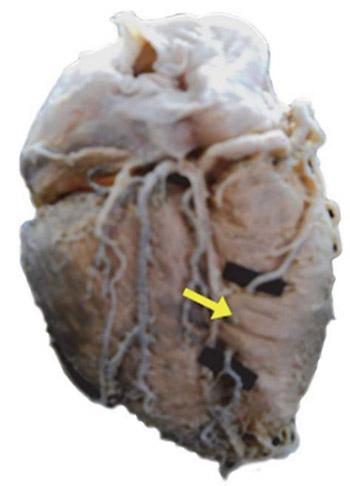
Although some myocardial bridges can be asymptomatic, their presence often causes coronary disease either through direct compression of the “tunnel” segment or through stimulation and accelerated development of atherosclerosis in the segment proximally to the myocardial bridge. The studied material contained 30 human hearts received from the Department of Anatomy. The hearts were preserved 3 to 5 days in 10% formalin solution. Thereafter, the fatty tissue was removed and arterial blood vessels prepared by careful dissection with special reference to the presence of the myocardial bridges. Length and thickness of the bridges were measured by the precise electronic caliper. The angle between the myocardial bridge fibre axis and other axis of the crossed blood vessel was measured by a goniometer. The presence of the bridges was confirmed in 53.33% of the researched material, most frequently (43.33%) above the anterior interventricular branch. The mean length of the bridges was 14.64±9.03 mm and the mean thickness was 1.23±1.32 mm. Myocardial bridge fibres pass over the descending blood vessel at the angle of 10-90 degrees. The results obtained on a limited sample suggest that the muscular index of myocardial bridge is the highest for bridges located on RIA, but that the difference is not significant in relation to bridges located on other branches. The results obtained suggest that bridges located on other branches, not only those on RIA, could have a great contractive power and, consequently, a great compressive force, which would be exerted on the wall of a crossed blood vessel.
-
Morphometric measurements of the cranium in congenital bilateral blind males and females
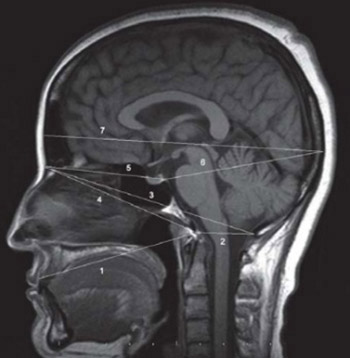
Cranium dimensions differ according to racial, geopraphic, ethnic and nutritional factors. This study will shed light on the question “Is there a difference in the cranial distances measured between congenital bilateral blind people and healthy individuals?” Nine anthropometric measures were performed on the brain MRI midsagittally obtained from male and female congenital bilateral blinds. The anthropometric measures taken included the glabella-opisthocranion, nasion-dorsum sellae, dorsum sellae-opisthocranion, nasion-basion, nasion-opisthion, basion-opisthion, prosthion-basion, basion-vertex and the clival angle. In addition, the supratentorial and infratentorial areas were calculated. Glabella-opisthocranion, nasion-dorsum sellae, nasion-basion, prosthion-basion and clival angle were found to be smaller in the congenital bilateral blind females compared to the healthy group, but these results were not statistically significant. Whereas, other measures out of the basion-opisthion were found to be smaller in the congenital bilateral blind males than in the healthy subjects. Of these results, the distance between glabella-opisthocranion, nasion-dorsum sellae and nasion-basion was significantly smaller compared to the measurements taken from the healthy male group. The infratentorial area was significantly smaller in congenital blind male subjects and the supratentorial area was significantly larger in congenital blind female subjects. This study has revealed that the cranium dimensions of congenital blind people are to different from normal individuals. The most significant difference was in the distance of the nasion-dorsum sellae. The region anterior to the basion and dorsum sellae was prominently smaller. The infratentorial area was significantly smaller in congenital blind male subjects and the supratentorial area was significantly larger in congenital blind female subjects.
Molecular Biology
1 article-
BIX01294 suppresses osteoclast differentiation on mouse macrophage-like Raw264.7 cells
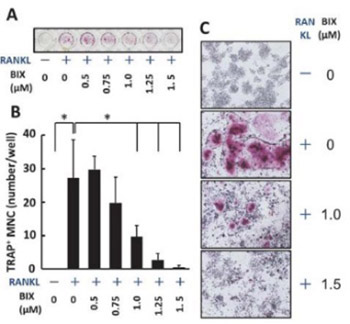
Gene expressionis controlled by epigenetic mechanisms including histone methylation. Osteoclasts are bone-resorptive cells that differentiate from hematopoietic-precursor cells by receptor activator of nuclear factor-KB ligand (RANKL) stimulation. Although BIX01294, a specific inhibitor of G9a, which works as a histone H3 lysine 9 (H3K9) methyltransferase, reportedly changes cellular differentiational stage, its effect on osteoclast differentiation is unclear. In this study, the effects of BIX01294 on osteoclast differentiation were examined. Here, we showed that BIX01294 dose-dependently reduced RANKL-induced tartrate-resistant acid phosphatase positive multinuclear osteoclast-like cell differentiation from murine macrophage-like Raw264.7 cells. During differentiation, growth rates reduced only less than 14% of those of cells stimulated with RANKL alone by BIX01294 treatment. Moreover, western blot analysis showed that BIX01294 reduced RANKL-induced carbonic anhydrase II and cathepsin K production and decreased RANKL-induced nuclear factor of activated T-cell c1, a master regulatory transcription factor, production during osteoclast differentiation. These results suggest that BIX01294 suppresses RANKL-induced osteoclast differentiation. This is the first report about the effect of BIX01294 on osteoclast differentiation.
Translational and Clinical Research
2 articles-
Sexual function improvement in association with serum leptin level elevation in patients with premature ejaculation following sertraline treatment: a preliminary observation
The objective of our work was to evaluate the effect of sertraline hydrochloride on serum levels of leptin and sexual function in patients with premature ejaculation (PE). A total of 124 patients with a history of PE at least 6 months, aged 20-50 years, were treated with sertraline hydrochloride. One hundred and four age-matched normal males without a history of PE were included control subjects and were untreated. Before and after the 8 week experiment, sexual performance parameters including the intravaginal ejaculation latency time (IELT) and the Chinese premature ejaculation index (CIPE) were collected from both PE patients and control subjects through a questionnaire survey and analyzed. Serum levels of leptin were measured. Correlations of serum leptin with Body Mass Index (BMI) were analyzed. Before sertraline treatment, serum levels of leptin were significantly higher (32.9 vs 8.8μg/L, p<0.001) but IELT and CIPE score were significantly lower (54 vs 590, p <0.001; 8.7 vs 22.3, p <0.0001) in PE patients than control subjects. After 8 weeks of treatment with sertraline, serum levels of leptinl in PE patients were decreased markedly to 8.0 μg/L, which was not significantly different from the levels in control subjects (p >0.05); and IELT and CIPE score in PE patients were increased to the values similar to those in control subjects. The sensitivity and specificity values were 87.5% and 96.3% for leptin as a diagnosis target. These observations suggest sertraline as a selective serotonin reuptake inhibitor may offer an effective option for treating premature ejaculation.
-
The utility of procollagen type 1 N-terminal propeptide for the bone status assessment in postmenopausal women
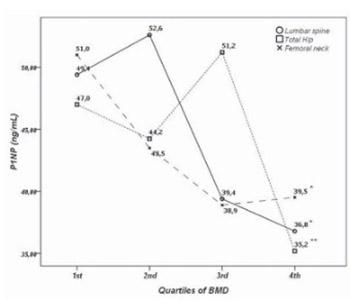
The utility of procollagen type 1 N-terminal propeptide (P1NP) in the management of metabolic bone diseases remains a subject of debate since the reference ranges are not rigorously established and fail to account for many of the preanalytical variables. We aimed to establish reference intervals for P1NP level in healthy and osteoporotic postmenopausal females stratified by age, body mass index and menopausal duration. We also aimed to assess the relationship between P1NP and BMD. This cross-sectional study enrolled 183 postmenopausal females who were divided in osteoporosis group (N=93) and control group (N=90) with preserved bone mass based on BMD assessed by DXA. In the osteoporosis group median P1NP was significantly higher (51.7 ng / mL; 95%CI 43.2-53.7) compared to control group (38.9 ng/mL; 95%CI 34.2-43.9)(p<0.01). After controlling for age, BMI and years since menopause, there was significant inverse association between BMD and P1NP at the femoral neck (r=-0.18), total hip (r=-0.207) and lumbar spine (r=-0.236). There was no significant difference in P1NP concentration across quartiles of age in postmenopausal females. P1NP was significantly lower in obese postmenopausal females with preserved bone mass compared to normal weight and overweight females in control and in osteoporosis group.
In conclusion, we showed that P1NP is inversely associated with BMD even after controlling for age, BMI and years since menopause. Although, P1NP is significantly higher in postmenopausal females with osteoporosis compared to postmenopausal females with preserved bone mass its low specificity does not warrant its utility is diagnosing osteoporosis.