

Vol. 22 No. 3
- 17Articles
- 6Review
- 1Pathology
- 1Microbiology
- 1Pharmacology
- 3Molecular Biology
- 4Translational and Clinical Research
- 1Short Communication
Review
6 articles-
Application of microfluidic chips in anticancer drug screening
With the continuous development of drug screening technology, new screening methodologies and technologies are constantly emerging, driving drug screening into rapid, efficient and high-throughput development. Microfluidics is a rising star in the development of innovative approaches in drug discovery. In this article, we summarize the recent years' progress of microfluidic chip technology in drug screening, including the developmental history, structural design, and applications in different aspects of microfluidic chips on drug screening. Herein, the existing microfluidic chip screening platforms are summarized from four aspects: chip structure design, sample injection and drive system, cell culture technology on a chip, and efficient remote detection technology. Furthermore, this review discusses the application and developmental prospects of using microfluidic chips in drug screening, particularly in screening natural product anticancer drugs based on chemical properties, pharmacological effects, and drug cytotoxicity.
-
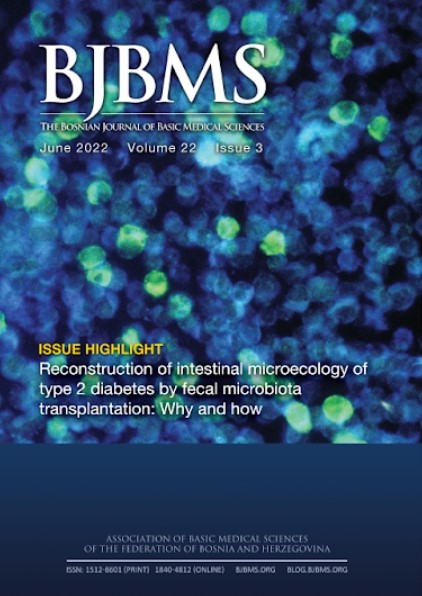
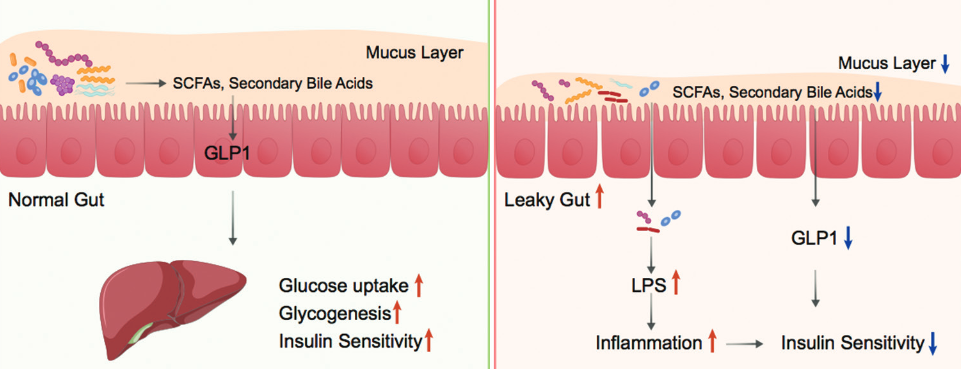
Reconstruction of intestinal microecology of type 2 diabetes by fecal microbiota transplantation: Why and how
Type 2 diabetes (T2D) is a chronic metabolic disease characterized by hyperglycemia due to insulin resistance. Mounting evidence has correlated T2D to alterations in the composition of gut microbiota. Accordingly, targeting the gut microbiota has become an emerging strategy for T2D management. The aim of this article is to get a better insight into the rationale for targeting gut microbiota in T2D treatment. Thus, we herein reviewed the change of gut microbiota composition in T2D, factors shaping gut microbiota, and potential mechanisms behind the contribution of gut microbiota to T2D pathogenesis. At present, it has become possible to use intestinal microorganism capsules, bacteria liquid, and other preparations to carry out fecal microbiota transplantation for the treatment and intervention of T2D with insulin resistance and immune-mediated type 1 diabetes (T1D).
-
Novel insights into the pathological development of dyslipidemia in patients with hypothyroidism
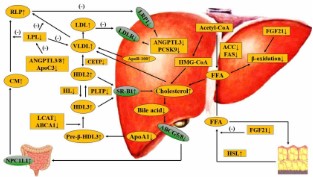
According to the previous reports, hypothyroidism has been shown to be strongly correlated with increased circulating concentrations of total cholesterol, low-density lipoprotein cholesterol (LDL-C), and triglycerides (TG). Notably, thyroid hormones are confirmed to modulate the production, clearance, and transformation process of cholesterol within circulation of mammals. Moreover, emerging evidence suggests that the thyroid-stimulating hormone could also participate in modulating serum lipid metabolism independently of thyroid hormones, which further induces the pathological development of dyslipidemia. However, the underlying mechanism is still not fully elucidated. Recently, several research studies have demonstrated that the pathogenic progression of hypothyroidism-related dyslipidemia might be correlated with the decreased serum concentrations of thyroid hormones and the increased serum concentrations of thyroid-stimulating hormones. Thus, this indicates that hypothyroidism could induce dyslipidemia and its related cardio-metabolic disorder diseases. In addition, several newly identified modulatory biomarkers, such as proprotein convertase subtilisin/kexin type 9 (PCSK9), angiopoietin-like protein (ANGPTLs), and fibroblast growth factors (FGFs), might play an important role in the regulation of dyslipidemia induced by hypothyroidism. Furthermore, under the status of hypothyroidism, significantly dysfunctional HDL particles could also be observed. In the current review, we summarized the recent knowledge of the relationship between the development of hypothyroidism with dyslipidemia. We also discussed the updated understanding of the mechanisms whereby hypothyroidism induces the risk and the development of dyslipidemia and cardio-metabolic diseases.
-
Emerging roles of sortilin in affecting the metabolism of glucose and lipid profiles
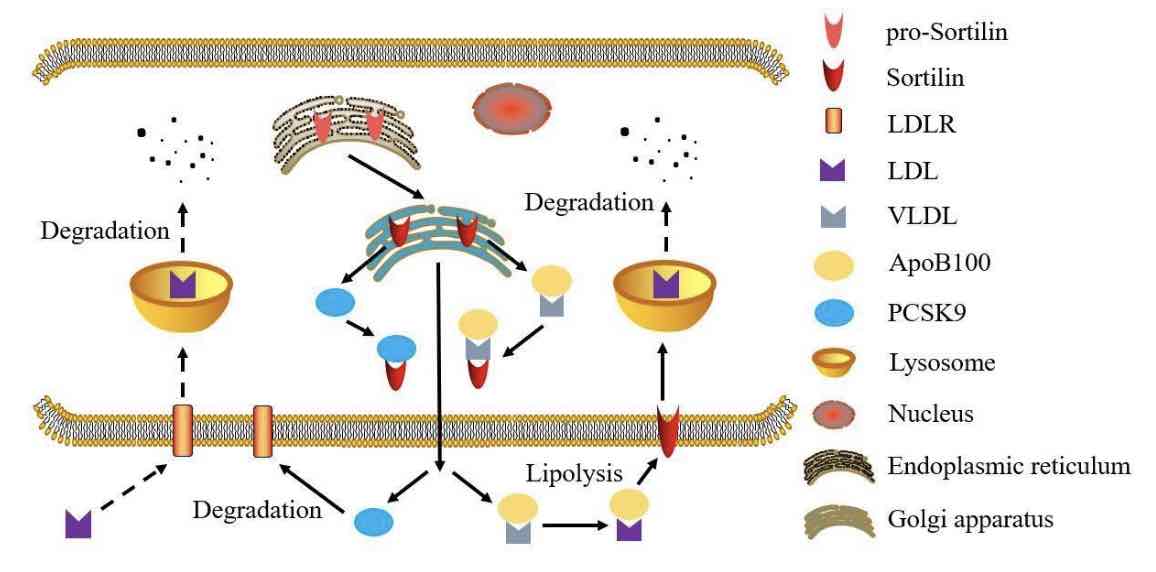
Dyslipidemia has recently been identified as an important factor in modulating the progression of several health conditions, grouped as cardio-metabolic syndrome and including obesity,insulin resistance, and atherosclerosis. Among multiple factors which regulate the development of cardio-metabolic syndrome, sortilin has been found in multiple cell types, such as adipocyte, hepatocyte, and macrophage, suggesting that sortilin is correlated to the development and the severity of cardio-metabolic syndrome. Consistently, several genome-wide association (GWAS) and basic experimental research studies are being conducted to find novel gene loci involved in regulating the pathological progression of cardio-metabolic syndrome. According to these data, both SORT1 gene and sortilin protein have an important function in regulating the circulating lipid and glucose metabolism resulting in modulation of disease progression. In this comprehensive review, we summarize the recent research results in regards to sortilin function in modulating the circulating lipid and glucose metabolism. Moreover, we also discuss and analyze the emerging evidence elucidating the potential mechanisms by which sortilin affects synthesis and secretion of lipid and glucose.
-
Impact of smoking on the incidence and post-operative complications of total knee arthroplasty: A systematic review and meta-analysis of cohort studies
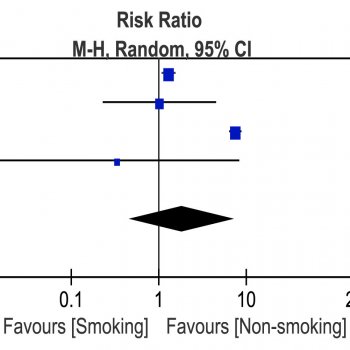
Osteoarthritis and rheumatoid arthritis are the most ubiquitous joint disorders which cause tremendous loss of life quality and impose an economic burden on society. At present, the treatment options for these two diseases comprise non-operative and surgical treatments, amongst those total knee arthroplasties (TKA). Various studies have recognized smoking as a significant risk factor for postoperative complications. Therefore, the purpose of this study was to examine the impact of smoking on the incidence and postoperative complications after a total knee arthroplasty by a systematic review and meta-analysis. The research was performed using PUBMED, Cochrane Library and EMBASE, extracting data from thirteen suitable studies and incorporating 2,109,482 patients. Cohort studies evaluating the impact of smoking on TKA with sufficient data were included for the study, and cohort studies without a proper control group and complete data were excluded. A fixed-effects or random-effects model was used to measure the pooled risk ratio (RR) or hazard ratio (HR) with 95% confidence interval (CI). Compared to non-smokers, smokers had a significantly lower incidence of TKA (p<0.01). However, smokers had a higher incidence of total complications (p=0.01), surgical complications (p<0.01), pneumonia (p<0.01) and revision surgery (p=0.01). No significant difference in the risk of blood transfusion (p=0.42), deep vein thrombosis (p=0.31), pulmonary embolism (p=0.34), urinary tract infection (p=0.46) or mortality (p=0.39) was found between smokers and non-smokers. In conclusion, the study indicated that tobacco has two diametrically opposite effects on TKA patients: 1. Tobacco increases the incidence of surgical complications, pneumonia and revision after TKA; 2. It decreases the overall risk of being a candidate for TKA.
-
Strategies and safety considerations of booster vaccination in COVID-19
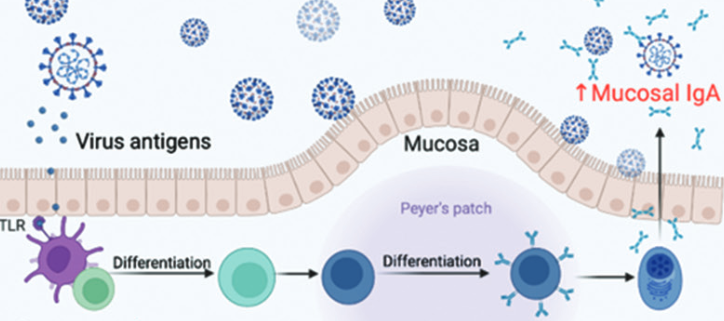
The first-generation SARS-CoV-2 vaccines have played a significant role in controlling the COVID-19 pandemic, preventing severe diseases, and reducing mortality. However, the continuous emergence of SARS-CoV-2 variants, the persistence of breakthrough infections, and the seemingly rapid decline in the protective efficacy of SARS-CoV-2 vaccines have presented additional challenges for the next phase. There is an urgent need to confirm the necessity of further booster vaccination and combination vaccine approaches. This paper summarizes the latest literature on SARS-CoV-2 variants and vaccine effectiveness and concludes that it is essential to implement booster immunization strategies. Priority should be given to high-risk groups, the elderly, and immunocompromised people. In addition, heterologous vaccination has a longer duration of effect and a broader spectrum than homologous vaccination, making it more conducive to managing the immune escape of SARS-CoV-2 variants.
Pathology
1 article-
Comparison of the vitality tests used in the dental clinical practice and histological analysis of the dental pulp
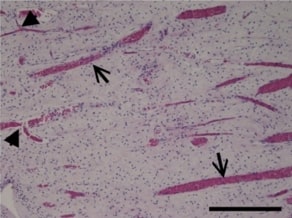
In dentistry, indirect diagnostic methods such as electrical sensibility testing and pulse oximetry are used to assess the status of the pulp. Our study aimed to determine the correlation between hemoglobin oxygen saturation and vascular volume density (Vvasc). We also wanted to examine an electrical sensibility test and the volume density of myelinated nerve fibers (Vnerv). Twenty-six intact permanent premolars were included in the study. For histological analysis, the pulp tissue was stained with hematoxylin-eosin and immunohistochemically for von Willebrand factor and S100 to detect blood vessels and myelinated nerve fibers, respectively. The stereological analysis was used to determine the Vvasc and Vnerv. Statistical analysis was done using the Pearson correlation test and Welch’s ANOVA test. Histological analysis showed that the pulp tissue was strongly vascularized and innervated. A significant positive correlation was found between Vvasc and hemoglobin oxygen saturation levels (p=0.030). A significant negative correlation was found between Vnerv and the lowest electrical voltage that patient felt (p=0.033). According to the maturity of the dental apex, teeth were divided into a group with open (N=6, OA group) and closed apex (N=20, CA group). We found that pulps in the CA group had higher Vnerv than the OA group (p=0.037). In contrast, there were no significant differences in Vvasc of the pulp tissue (p=0.059), oxygen saturation (p=0.907), or electrical voltage (p=0.113) between both groups. We can conclude that the measurement of pulse oximetry and electrical sensibility test reflect the morphology of healthy pulp tissue independently of the maturity of the dental apex.
Microbiology
1 article-
Attributes of intestinal microbiota composition and their correlation with clinical primary non-response to anti-TNF-α agents in inflammatory bowel disease patients
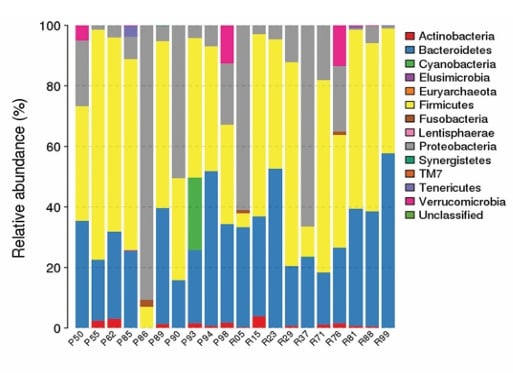
The largest microbial aggregation in the human body exists in the gastrointestinal tract. The microbiota in the host gastrointestinal tract comprises a diverse ecosystem, and the intestinal microbiota plays a vital role in maintaining gut homeostasis. This study aims to examine whether the gut microbiota influences unresponsiveness to anti-TNF-α treatments in primary nonresponder patients, and consequently identify the responsible microbes as biomarkers of unresponsiveness. Stool samples were collected from a cohort of patients with an established diagnosis of IBD, either ulcerative colitis (UC) or Crohn’s disease (CD), following completion of the induction phase of anti TNF therapy. 16S rRNA sequencing analysis was used to examine the pattern of microbiota communities in fecal samples. The quality and quantity of fecal microbiota were compared in responder and primary nonresponder IBD patients following anti-TNF-α therapy. As per our hypothesis, a difference in gut microbiome composition between the two patient subgroups was observed. A decreased abundance of short-chain fatty acid (SCFA)-producing bacteria, including Anaerostipes, Coprococcus, Lachnospira, Roseburia, and Ruminococcus, was detected in non-responsive patients, which was the hallmark of dysbiosis. Biomarkers of dysbiosis that were identified as predictors of clinical nonresponse, included Klebsiella, Eubacteriaceae, RF32, Bifidobacterium_animalis, and Muribaculaceae—previously known as S24-7. Signature biomarkers showed dramatic alteration in the composition of gut microbiota in patients who demonstrated primary nonresponse to anti-TNF-α agents. Dysbiosis, with features including a dropped biodiversity, augmentation in opportunistic pathogenic microbiota, and a lack of SCFA-producing bacteria, is a prominent feature of the microbiome of primary nonresponders to anti-TNF-α therapy.
Pharmacology
1 article-
Effect of bisoprolol on central aortic systolic pressure in Chinese hypertensive patients after the initial dose and long-term treatment
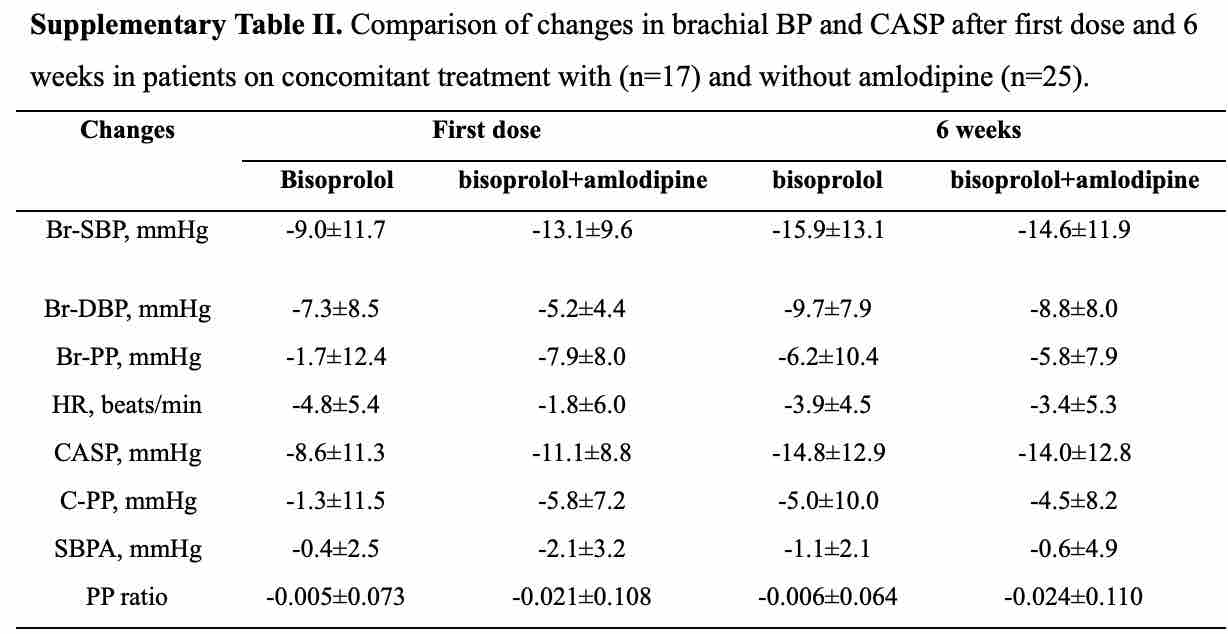
We conducted a prospective open-label cohort study with the aim of examining the effects of the highly β1-selective agent bisoprolol on central aortic systolic pressure (CASP) after the first dose and after 6 weeks’ treatment and whether the CASP response could be predicted from the early response. Chinese patients with primary hypertension (BP ≥ 140/90 mmHg) on no therapy or background amlodipine were treated with bisoprolol 2.5 mg daily for 6 weeks. Brachial systolic BP (Br-SBP), resting heart rate (HR) and CASP were determined at baseline, 24h after the first dose, and pre-dose after treatment for 6 weeks using the BPro® device. In 42 patients (age 54 ± 9 years) the mean reductions in CASP and Br-SBP after 6 weeks of treatment were not significantly different from each other at -14.5 ± 12.7 and -15.4 ± 12.9 mmHg (both p<0.01), respectively. Changes in CASP and Br-SBP were highly correlated after the first dose (r = 0.964, p<0.01) and after 6 weeks (r = 0.963, p<0.01) and the reductions in CASP after 6 weeks were also associated with the reduction in CASP after the first dose (r = 0.577, p<0.01). Bisoprolol was shown to effectively reduce CASP and this effect was directly proportional to the reduction in Br-SBP and of a similar magnitude. More favourable CASP responses to long term therapy may be predicted by greater reductions in CASP after the first dose.
Molecular Biology
3 articles-
The prognostic value of MKL1 in predicting breast cancer immune infiltrates and chemosensitivity
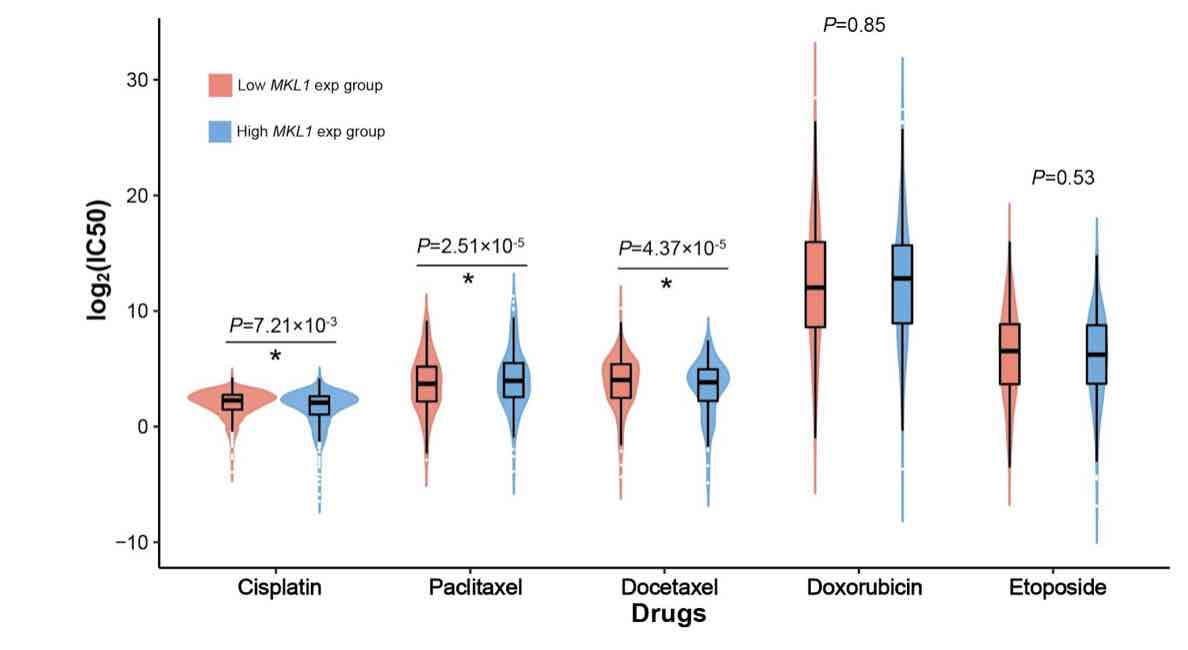
Megakaryocytic leukemia 1 (MKL1) acts as a transcription factor in the regulation of the immune system and is associated with cancer biology. However, its function in the infiltrating immune cells in breast cancer has not been explored. Our study aimed to analyze the expression of MKL1 in The Cancer Genome Atlas (TCGA) breast cancer dataset. The aim of this study was to evaluate the correlations between MKL1 expression, infiltrating immune cells, and immune control genes. Enriched signaling pathways and drug sensitivity analyses were also performed. Our results indicate that high MKL1 expression could predict better survival in breast cancer patients. MKL1 expression was associated with the expression and function of different immune cells, including T cells, B cells, natural killer (NK) cells, macrophages, neutrophils and dendritic cells (DCs). The chromatin modifying enzymes, cellular senescence, epigenetic regulation of gene expression, estrogen-dependent gene expression, and chromosome maintenance were differentially enriched in MKL1 low expression phenotype. Patients in the high MKL1 expression group showed sensitivity to paclitaxel, while those in the low expression group showed potential sensitivity for cisplatin and docetaxel. In conclusion, MKL1 might act as a potential biomarker of prognostic value for immune infiltration and drug sensitivity in breast cancer.
-
LncRNA ADAMTS9-AS1 knockdown suppresses cell proliferation and migration in glioma through downregulating Wnt/β-catenin signaling pathway
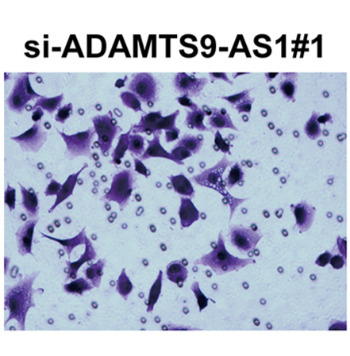
The long non‐coding RNA antisense 1 ADAMTS9-AS1 has been reported to serve as an oncogene or tumor suppressor in several tumors, including colorectal cancer and hepatocellular carcinoma. Nevertheless, the clinical significance and biological behaviors of ADAMTS9-AS1 in glioma still remain unclear. Therefore, the goal of this study was to evaluate the functional roles and potential mechanisms of ADAMTS9-AS1 in glioma cells. Using quantitative real-time PCR analysis, we found that ADAMTS9-AS1 was upregulated in glioma tissues and cells in comparison to corresponding controls. ADAMTS9-AS1 expression level was correlated to tumor size (p=0.005) and WHO grade (p=0.002). Kaplan-Meier analysis and Cox multivariate analysis showed that ADAMTS9-AS1 could serve as an independent prognostic factor affecting the overall survival of glioma patients. Functionally, depletion of ADAMTS9-AS1 significantly suppressed the proliferation, migration and invasion in glioma cell lines (U251 and U87), as shown via CCK-8 assay, Edu corporation assay, wound healing assay and transwell assay. Furthermore, we demonstrated that knockdown of ADAMTS9-AS1 suppressed Wnt1, β-catenin, c-myc and PCNA, while upregulating E-cadherin expression. In conclusion, our data revealed that ADAMTS9-AS1 confers oncogenic function in the progression of glioma, thus targeting ADAMTS9-AS1 might be a promising therapeutic strategy for this disease.
-
Whole-exome sequencing reveals rare genetic variations in ovarian granulosa cell tumor
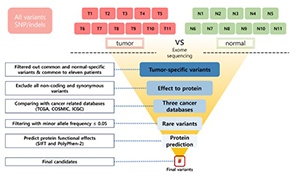
Ovarian granulosa cell tumor (OGCT) is a rare ovarian tumor that accounts for about 2-5% of all ovarian tumors. Despite the low grade of ovarian tumors, high and late recurrences are common in OGCT patients. Even though this tumor usually occurs in adult women with high estrogen levels, the cause of OGCT is still unknown. To screen genetic variants associated with OGCT, we collected normal and matched-tumor formalin-fixed paraffin-embedded (FFPE) from 11 OGCT patients and performed whole-exome sequencing (WES) using Illumina NovaSeq 6000. A total of 1,067,219 single nucleotide polymorphisms (SNPs) and 162,155 insertions/deletions (indels) were identified from 11 pairs of samples. Of these, we identified 44 tumor-specific SNPs in 22 genes and four tumor-specific indels in one gene that were common to 11 patients. We used three cancer databases (TCGA, COSMIC, and ICGC) to investigate genes associated with ovarian cancers. Nine genes (SEC22B, FEZ2, ANKRD36B, GYPA, MUC3A, PRSS3, NUTM2A, OR8U1, and KRTAP10-6) associated with ovarian cancers were found in all three databases. In addition, we identified seven rare variants with MAF ≤ 0.05 in two genes (PRSS3 and MUC3A). Of seven rare variants, five variants in MUC3A are potentially pathogenic. Furthermore, we conducted gene enrichment analysis of tumor-specific 417 genes in SNPs and 106 genes in indels using cytoscape and metascape. In GO analysis, these genes were highly enriched in “selective autophagy”, and “regulation of anoikis”. Taken together, we suggest that MUC3A is implicated in OGCT development, and MUC3A could be used as a potential biomarker for OGCT diagnosis.
Translational and Clinical Research
4 articles-
Six RNA binding proteins (RBPs) related prognostic model predicts overall survival for clear cell renal cell carcinoma and is associated with immune infiltration
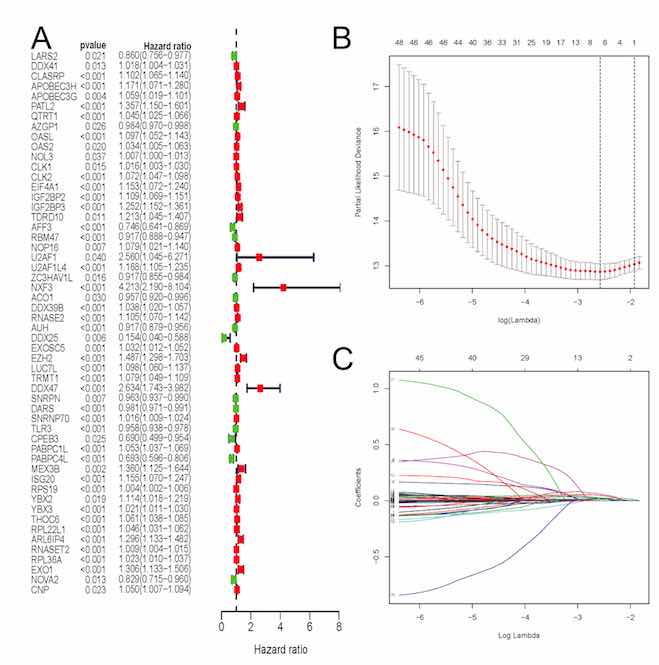
The aim of this article was to construct an accurate prognostic model by using RNA-binding proteins (RBPs) to predict overall survival (OS) for patients with clear cell renal cell carcinoma (ccRCC) as well as to reveal its associations with immune infiltration. Expression profiles based on RNA-binding proteins (RBPs) and clinical follow-up parameters were obtained from the Cancer Genome Atlas (TCGA) and the ArrayExpress databases. Through univariate COX and LASSO regression analyses, the RBPs based signature was developed. A total of six RBPs (CLK2, IGF2BP2, RNASE2, EZH2, PABPC1L, RPL22L1) were eventually used to establish a prognostic signature. Based on this signature, ccRCC patients were classified into high-risk and low-risk subgroups and significant OS was obtained in both the internal and external datasets (p<0.05). AUCs of its ROC curve were all above 0.70 and this signature was an independent prognostic factor of OS for ccRCC (p<0.05). Nomograms were also constructed to visualize the relationships among individual predictors and 1-, 3- and 5-year OS for ccRCC. Furthermore, the established RBPs based signature was strongly related to critical clinicopathologic characteristics such as grade (p=8.921e−12), stage (p=1.421e−11), M (p=1.662e−05), and T stage (p=7.907e−10). Moreover, 12 kinds of tumor-infiltrating immune cells were significantly linked to high-risk and low-risk groups classified by our constructed model (all p<0.05). Our study successfully identified six RBPs as a robust prognostic signature in ccRCC by both external and internal verification. Besides, our established model displayed significant associations with immune infiltration. In addition to original clinical parameters, our findings may further help clinicians in predicting patients’ survival status and creating individualized treatment plans.
-
Plasma exosome-derived fragile site-associated tumor suppressor as a powerful prognostic predictor for patients with ovarian cancer
The objective of the study was to investigate the levels of plasma exosome-derived fragile site-associated tumor suppressor (FATS) and evaluate its prognostic predictive ability in ovarian cancer (OC) patients. Exosome-rich fractions were isolated from the plasma of 90 patients with OC enrolled in this study. The levels of plasma exosome-derived FATS were detected by ELISA. The levels of exosome-derived FATS in OC patients were significantly lower as compared to the healthy controls (P < 0.001). The levels of plasma exosome-derived FATS were higher in OC patients with low grade (1/2), and Federation International of Gynecology and Obstetrics (FIGO) Stages I/II than those in high grade (3/4) and Stages III/IV of the disease (p = 0.003; p < 0.001), respectively. The levels of plasma exosome-derived FATS were significantly higher in OC patients with no lymph node metastasis or no ascites as compared to those with lymph node metastasis or ascites, respectively (both p < 0.001). The levels of plasma exosome-derived FATS were higher in OC patients having CA-125 below 35 U/ml as compared to those with CA-125 greater than 35 U/ml (p < 0.001). Among all enrolled OC patients, both 5-DFS and 5-OS were shorter in patients with lower plasma exosome-derived FATS levels than those with higher levels (both p < 0.001). The area under the receiver operating characteristic curve of plasma exosome-derived FATS was 0.85 (95% CI: 0.76-0.91) for 5-DFS and 0.91 (95% CI: 0.83-0.96) for 5-OS prediction in patients with OC. Plasma exosome-derived FATS levels in OC patients were significantly downregulated. Low levels of plasma exosome-derived FATS had a significant relationship with FIGO Stages III/IV, high grade, ascites, higher levels of CA-125, lymph node metastasis, and prognosis of OC patients. Thus, our findings may provide insights for the development of a new strategy OC treatment.
-
Development and validation of a novel pre-operative comprehensive prognostic score in esophageal squamous cell carcinoma
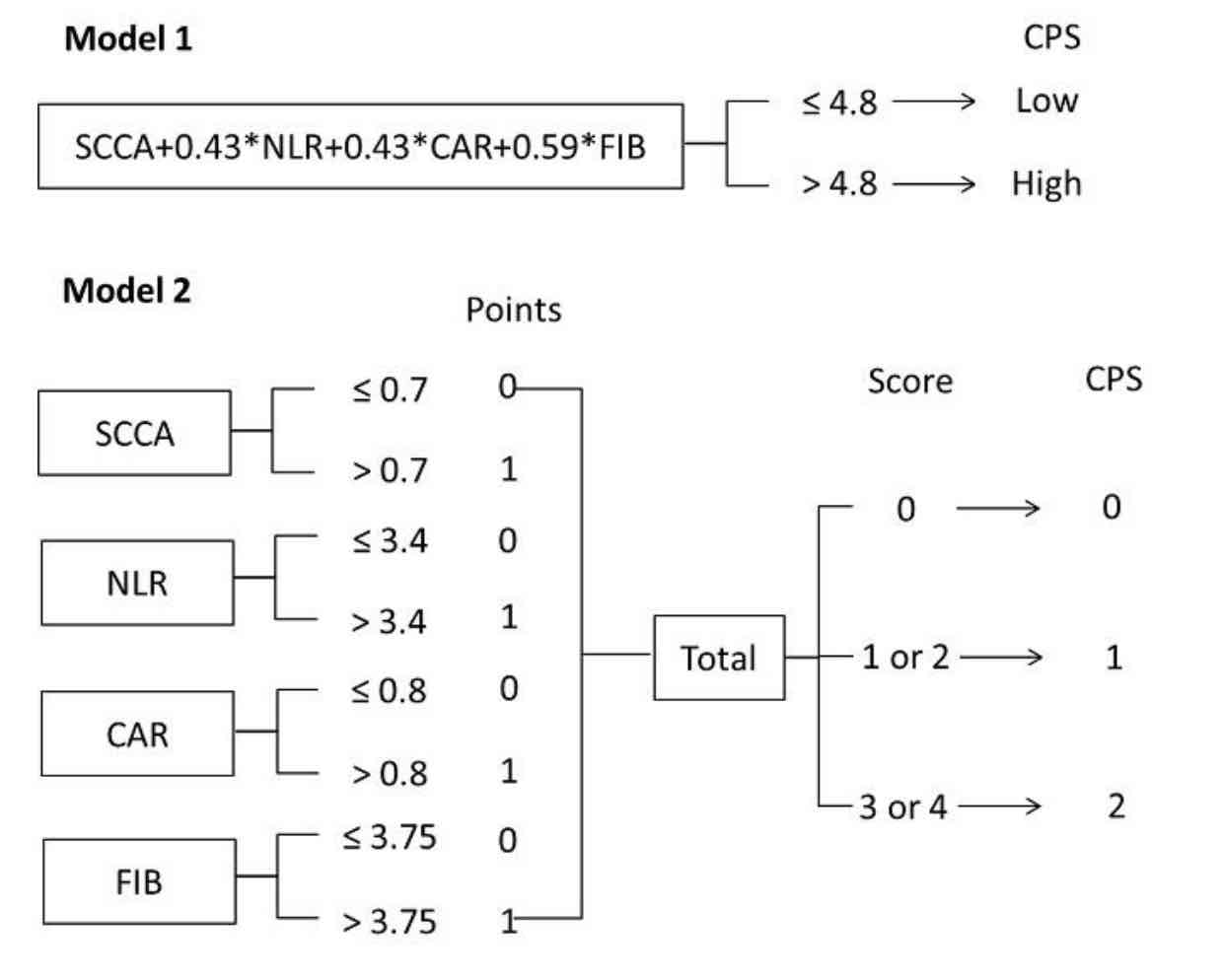
We herein propose a novel integrative score based on inflammatory and nutritional score, coagulation indicator and tumor marker, named comprehensive prognostic score (CPS), to predict postoperative survival in resectable esophageal squamous cell carcinoma (ESCC). We also aimed to establish and validate a nomogram based on CPS and other clinical features for individual survival prediction. A total of 490 resectable ESCC patients were randomly divided into either a training or validation cohort at a ratio of 7:3 for retrospective analysis. The CPS, based on squamous cell carcinoma antigen (SCCA), C-reactive protein to albumin ratio (CAR), neutrophil to lymphocyte ratio (NLR), and fibrinogen (FIB), was divided into two models to verify its prognostic value. The predictive model of CPS-based nomogram was established and validated in two cohorts. Patients with CPS low group in model 1 had better 5-year cancer-specific survival (CSS) than those in CPS high group (50.7% vs. 17.8%, P<0.001). For model 2, the 5-year CSS for CPS 0, 1 and 2 were 75.0%, 38.9% and 13.3%, respectively (P<0.001). CPS was confirmed as an independent prognostic score in both models. The CPS-based nomogram can accurately and effectively predict survival in resected ESCC. The CPS is a novel, simple, and effective predictor in resectable ESCC. Moreover, CPS has a potential independent prognostic value in predicting postoperative survival, which can accurately and effectively predict individual survival in resectable ESCC.
-
Risk and prognosis of secondary bladder cancer after post-operative radiotherapy for gynecological cancer
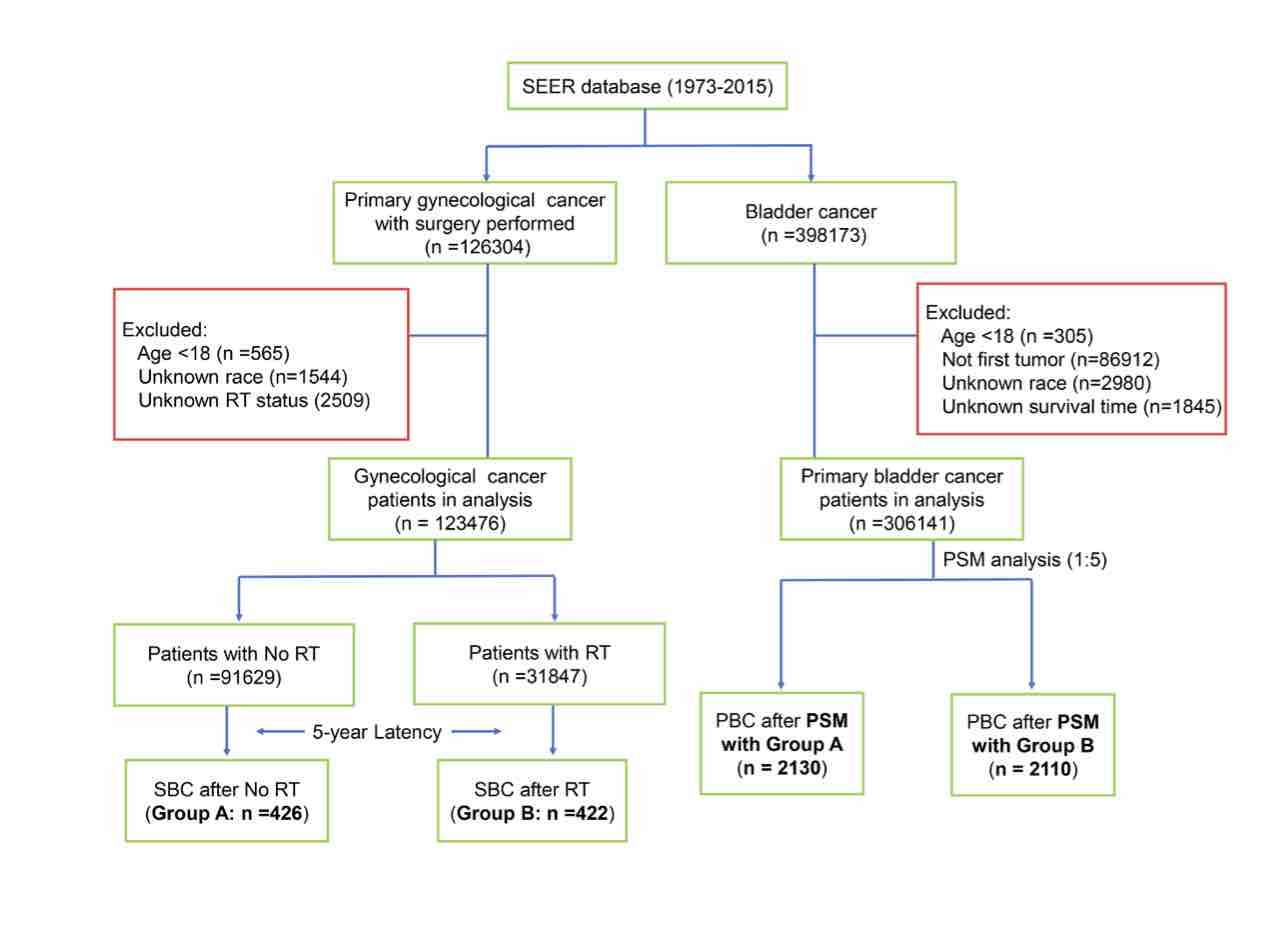
The aim of this study was to investigate the impacts of radiation therapy (RT) on the occurrence risk of secondary bladder cancer (SBC) and on the patients’ survival outcome after being diagnosed with gynecological cancer (EC). The data was obtained from the SEER database between 1973 and 2015. Chi-squared test was used to compare the clinicopathological characteristics among the different groups. Fine and Gray’s competing risk model was used to assess the cumulative incidence and occurrence risk of SBC in GC survivors. Kaplan-Meier method was utilized for survival analysis. A total of 123,476 GC patients were included, among which 31,847 (25.8%) patients received RT while 91629 (74.2%) patients did not. The cumulative incidence of SBC was 1.59% or 0.73% among patients who had received prior GC specific RT or not, respectively. All EBRT (standardized incidence ratio (SIR) =2.49, 95% CI [2.17-2.86]), brachytherapy (SIR =1.96, 95% CI [1.60-2.38]), and combinational RT modality groups (SIR =2.73, 95% CI [2.24-3.28]) had dramatically higher SBC incidence as compared to the US general population. Receiving EBRT (HR = 2.83, 95% CI [2.34–3.43]), brachytherapy (HR = 2.17, 95% CI [1.67–2.82]), and combinational RT modality (HR = 2.97, 95% CI [2.34–3.77]) were independent risk factors for SBC development. Survival detriment was observed in SBC patients who received RT after GC diagnosis, as compared to those who did not receive RT. In conclusion, patients who underwent RT after GC had an increased risk of developing bladder as a secondary primary cancer. A long-term surveillance for SBC occurrence is necessary for GC patients who have received prior RT.

Short Communication
1 article-
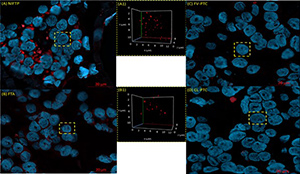
Three-dimensional telomere profiles in papillary thyroid cancer variants: A pilot study
Besides the two main histologic types of papillary thyroid carcinoma (PTC), the classical PTC (CL-PTC) and the follicular variant PTC (FV-PTC), several other variants are described. The encapsulated FV-PTC variant was recently reclassified as noninvasive follicular thyroid neoplasm with papillary-like nuclear features (NIFTP) due to its similarities to benign lesions. Specific molecular signatures, however, are still unavailable. It is well known that improper DNA repair of dysfunctional telomeres may cause telomere-related genome instability. The mechanisms involved in the damaged telomere repair processing may lead to detrimental outcomes, altering the three-dimensional (3D) nuclear telomere and genome organization in cancer cells. This pilot study aimed to evaluate whether a specific 3D nuclear telomere architecture might characterize NIFTP, potentially distinguishing it from other PTC histologic variants. Our findings demonstrate that 3D telomere profiles of CL-PTC and FV-PTC were different from NIFTP and that NIFTP more closely resembles follicular thyroid adenoma (FTA). NIFTP has longer telomeres than CL-PTC and FV-PTC samples, and the telomere length of NIFTP overlaps with that of the FTA histotype. In contrast, there was no association between BRAF expression and telomere length in all tested samples. These preliminary findings reinforce the view that NIFTP is closer to non-malignant thyroid nodules and confirm that PTC features short telomeres.